
The Evolution and Future of Foot Orthotics

Foot orthotics have a long history, dating back to ancient civilizations, where early forms of arch support were crafted from natural materials like leather and wood. By the 20th century, modern orthotics evolved with a better understanding of foot biomechanics. In the 1960s, Dr. Merton Root introduced functional foot orthotics, which revolutionized the field by focusing on correcting foot motion to treat various conditions like flat feet, plantar fasciitis, and overpronation. Today, orthotics are highly customizable, made from advanced materials such as carbon fiber and EVA foam. They provide support, relieve pain, and improve mobility for patients with various foot problems. The future of foot orthotics looks promising, with advancements in 3D printing and digital foot scanning allowing for even more precise and personalized solutions. If you suffer from persistent foot pain, it is suggested that you schedule an appointment with a podiatrist for a proper diagnosis and treatment, which may include custom orthotics.

If you are having discomfort in your feet and would like to try orthotics, contact Queen Mbanuzue, DPM from In Step Podiatry Center. Our doctor can provide the care you need to keep you pain-free and on your feet.

What Are Orthotics?

Orthotics are inserts you can place into your shoes to help with a variety of foot problems such as flat feet or foot pain. Orthotics provide relief and comfort for minor foot and heel pain but can’t correct serious biomechanical problems in your feet.

Over-the-Counter Inserts

Orthotics come in a wide variety of over-the-counter inserts that are used to treat foot pain, heel pain, and minor problems. For example, arch supports can be inserted into your shoes to help correct overarched or flat feet, while gel insoles are often used because they provide comfort and relief from foot and heel pain by alleviating pressure.

Prescription Orthotics

If over-the-counter inserts don’t work for you or if you have a more severe foot concern, it is possible to have your podiatrist prescribe custom orthotics. These high-quality inserts are designed to treat problems such as abnormal motion, plantar fasciitis, and severe forms of heel pain. They can even be used to help patients suffering from diabetes by treating foot ulcers and painful calluses and are usually molded to your feet individually, which allows them to provide full support and comfort.

If you are experiencing minor to severe foot or heel pain, it’s recommended to speak with your podiatrist about the possibilities of using orthotics. A podiatrist can determine which type of orthotic is right for you and allow you to take the first steps towards being pain-free.

If you have any questions, please feel free to contact our office located in Lanham, MD . We offer the newest diagnostic and treatment technologies for all your foot care needs.
Read more about Ankle Foot Orthotics for Athletes

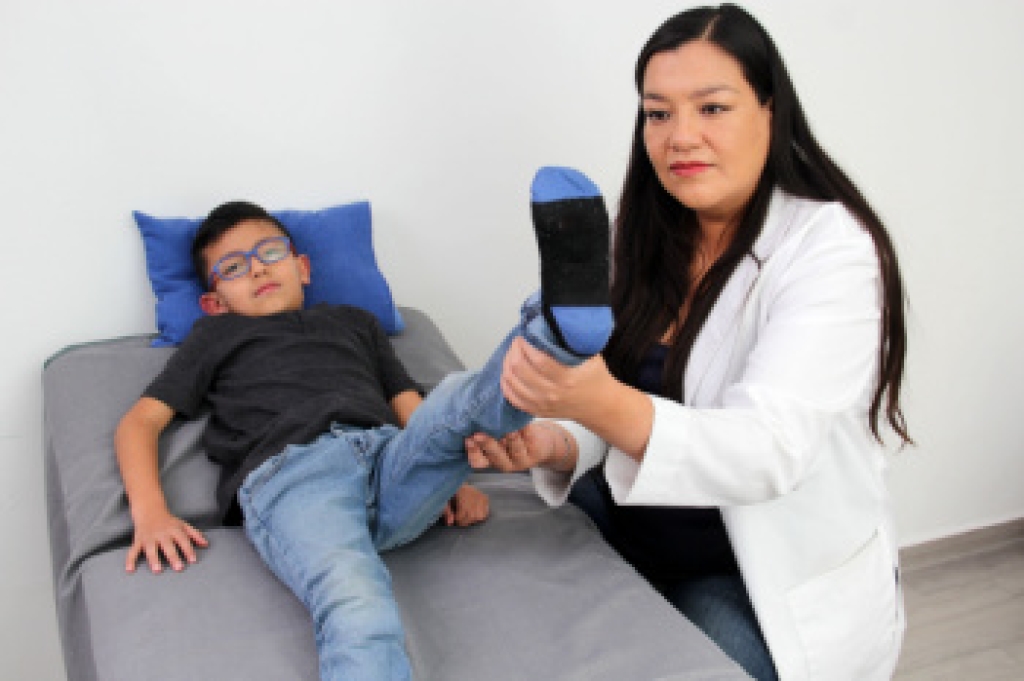
Children’s Foot Pain That Requires Care

Foot pain is common in active children due to sports, play, or growth. While many foot aches resolve on their own with rest, certain symptoms can signify severe foot problems that need podiatric attention. If your child is unable to move or stand on their foot, or if the foot appears twisted or out of place, it could indicate a more serious injury. An unstable foot when stepping down is also a sign that something is wrong. Infections in the foot can present as increased pain, swelling, warmth, or redness. Red streaks leading from the sore area or pus draining from a spot on the foot should not be ignored, especially if your child develops a fever. In these cases, it is strongly suggested that you visit a podiatrist who can diagnose and treat conditions early to prevent long-term complications.

The health of a child’s feet is vital to their overall well-being. If you have any questions regarding foot health, contact Queen Mbanuzue, DPM of In Step Podiatry Center. Our doctor can provide the care you need to keep you pain-free and on your feet.

Tips for Keeping Children's Feet Healthy

  • Make sure their shoes fit properly
  • Look for any signs of in-toeing or out-toeing
  • Check to see if they have Clubfoot (condition that affects your child’s foot and ankle, twisting the heel and toes inward) which is one of the most common nonmajor birth defects.
  • Lightly cover your baby’s feet (Tight covers may keep your baby from moving their feet freely, and could prevent normal development)
  • Allow your toddler to go shoeless (Shoes can be restricting for a young child’s foot)
  • Cut toenails straight across to avoid ingrown toenails
  • Keep your child’s foot clean and dry
  • Cover cuts and scrapes. Wash any scratches with soap and water and cover them with a bandage until they’ve healed.

If you have any questions, please feel free to contact our office located in Lanham, MD . We offer the newest diagnostic and treatment technologies for all your foot care needs.

Read more about How to Care for Your Child's Feet

Care for Ingrown Toenails

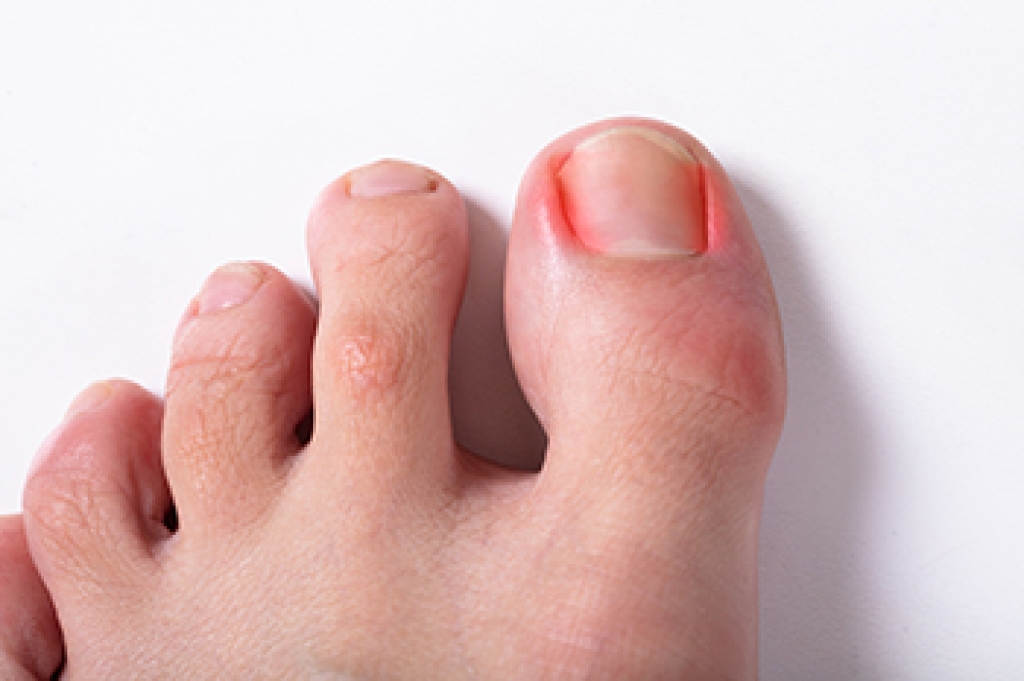
Ingrown toenails occur when the edge of the toenail grows into the surrounding skin, causing pain, swelling, and sometimes infection. This common condition usually affects the nail on the big toe and can result from improper nail trimming, wearing tight shoes, or injury to the toe. In some cases, a naturally curved nail shape increases the likelihood of developing an ingrown toenail. To prevent or treat ingrown toenails, it is important to trim nails straight across and avoid cutting them too short. Wearing shoes that provide enough room for your toes can also help. If left untreated, ingrown toenails can lead to more serious complications, such as infection, abscess formation, or even the need for surgical removal of part of the nail. If you have an ingrown toenail, it is suggested that you promptly visit a podiatrist who can offer you correct treatment.

Ingrown toenails can become painful if they are not treated properly. For more information about ingrown toenails, contact Queen Mbanuzue, DPM of In Step Podiatry Center. Our doctor can provide the care you need to keep you pain-free and on your feet.

Ingrown Toenails

Ingrown toenails occur when a toenail grows sideways into the bed of the nail, causing pain, swelling, and possibly infection.

Causes

  • Bacterial infections
  • Improper nail cutting such as cutting it too short or not straight across
  • Trauma to the toe, such as stubbing, which causes the nail to grow back irregularly
  • Ill-fitting shoes that bunch the toes too close together
  • Genetic predisposition

Prevention

Wearing proper fitting shoes and using proper cutting techniques will also help decrease your risk of developing ingrown toenails.

Treatment

Ingrown toenails are a very treatable foot condition. In minor cases, soaking the affected area in salt or antibacterial soaps will not only help with the ingrown nail itself, but also help prevent any infections from occurring. In more severe cases, surgery is an option. In either case, speaking to your podiatrist about this condition will help you get a better understanding of specific treatment options that are right for you.

If you have any questions, please feel free to contact our office located in Lanham, MD . We offer the newest diagnostic and treatment technologies for all your foot care needs.
Read more about Ingrown Toenail Care

Consulting a Podiatrist for Ankle Pain

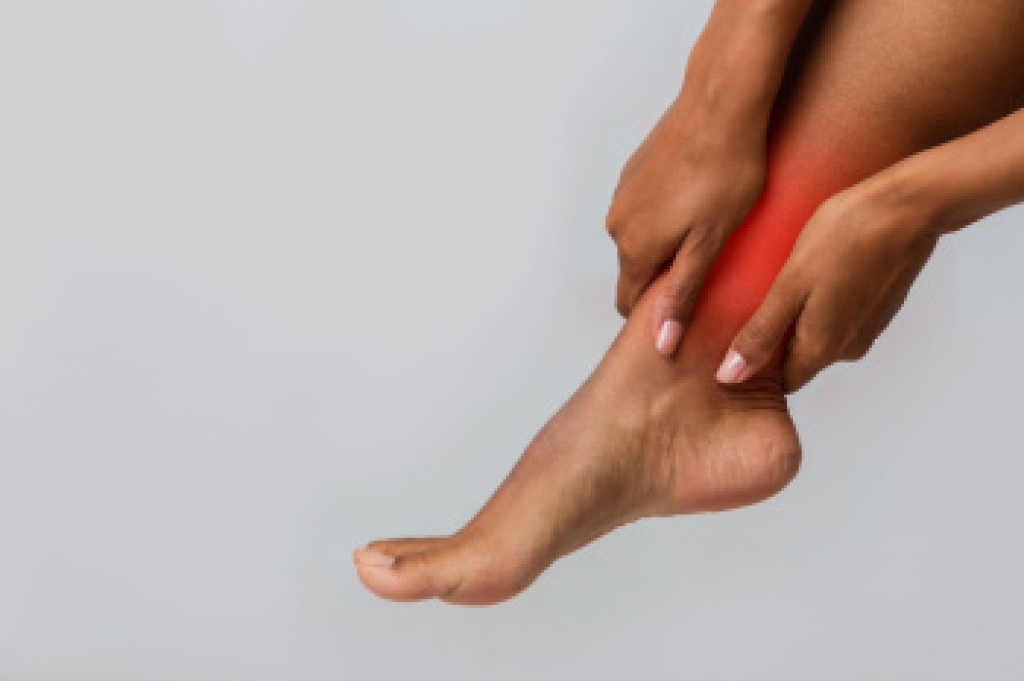
Ankle pain can result from various causes, ranging from acute injuries to chronic conditions. Common causes include sprains, where ligaments are stretched or torn due to sudden twisting motions, and tendonitis, which occurs when tendons surrounding the ankle become inflamed from overuse. Arthritis, particularly osteoarthritis, can lead to ankle pain over time due to joint wear and tear. Stress fractures or broken bones may also cause severe ankle pain following trauma. In some cases, flat feet or improper foot mechanics can put strain on the ankle, leading to discomfort. If pain persists or worsens, it is suggested that you visit a podiatrist for a proper diagnosis and treatment.

Ankle pain can have many different causes and the pain may potentially be serious. If you have ankle pain, consult with Queen Mbanuzue, DPM from In Step Podiatry Center. Our doctor will assess your condition and provide you with quality foot and ankle treatment.

Ankle pain is any condition that causes pain in the ankle. Due to the fact that the ankle consists of tendons, muscles, bones, and ligaments, ankle pain can come from a number of different conditions.

Causes

The most common causes of ankle pain include:

  • Types of arthritis (rheumatoid, osteoarthritis, and gout)
  • Ankle sprains
  • Broken ankles
  • Achilles tendinitis
  • Achilles tendon rupture
  • Stress fractures
  • Tarsal tunnel syndrome
  • Plantar fasciitis

Symptoms

Symptoms of ankle injury vary based upon the condition. Pain may include general pain and discomfort, swelling, aching, redness, bruising, burning or stabbing sensations, and/or loss of sensation.

Diagnosis

Due to the wide variety of potential causes of ankle pain, podiatrists will utilize a number of different methods to properly diagnose ankle pain. This can include asking for personal and family medical histories and of any recent injuries. Further diagnosis may include sensation tests, a physical examination, and potentially x-rays or other imaging tests.

Treatment

Just as the range of causes varies widely, so do treatments. Some more common treatments are rest, ice packs, keeping pressure off the foot, orthotics and braces, medication for inflammation and pain, and surgery.

If you have any questions please feel free to contact our office located in Lanham, MD . We offer the newest diagnostic tools and technology to treat your foot and ankle needs.

Read more about Ankle Pain