
Senior Foot Care

As we age, elderly foot care becomes increasingly important for maintaining mobility and preventing discomfort. It is beneficial for seniors to prioritize regular foot inspections that check for any signs of cuts, sores, or infections. Keeping the feet clean and dry helps prevent fungal infections and reduces the risk of complications. Moisturizing the feet regularly, especially the heels and soles, can prevent dryness and cracking. Choosing comfortable, well-fitted shoes with ample support and cushioning is essential to prevent foot pain and reduce the risk of falls. Seniors with diabetes should pay extra attention to foot care, inspecting for any signs of neuropathy or ulcers, and seeking prompt medical attention if necessary. Additionally, elevating the feet and performing gentle stretching exercises can help alleviate swelling and improve circulation. Finally, scheduling regular visits to a podiatrist for professional foot care and addressing any foot concerns promptly ensures optimal foot health and overall well-being for seniors. If you are elderly or providing care for a senior person, it is suggested that a podiatrist is included on the professional healthcare team.

Proper foot care is something many older adults forget to consider. If you have any concerns about your feet and ankles, contact Queen Mbanuzue, DPM from In Step Podiatry Center. Our doctor can provide the care you need to keep you pain-free and on your feet.

The Elderly and Their Feet

As we age we start to notice many changes in our body, but the elder population may not notice them right away. Medical conditions may prevent the elderly to take notice of their foot health right away. Poor vision is a lead contributor to not taking action for the elderly.

Common Conditions 

  • Neuropathy – can reduce feeling in the feet and can hide many life-threatening medical conditions.
  • Reduced flexibility – prevents the ability of proper toenail trimming, and foot cleaning. If left untreated, it may lead to further medical issues.
  • Foot sores – amongst the older population can be serious before they are discovered. Some of the problematic conditions they may face are:
  • Gouging toenails affecting nearby toe
  • Shoes that don’t fit properly
  • Pressure sores
  • Loss of circulation in legs & feet
  • Edema & swelling of feet and ankles

Susceptible Infections

Diabetes and poor circulation can cause general loss of sensitivity over the years, turning a simple cut into a serious issue.

If you have any questions, please feel free to contact our office located in Lanham, MD . We offer the newest diagnostic and treatment technologies for all your foot care needs.

Read more about Elderly Foot Care

Reminder: When Was the Last Time...?

Custom orthotics, or shoe inserts, should be periodically replaced. Orthotics must fit properly to give you the best results. Protect your feet and ankles!

Factors Behind a Fractured Pinky Toe

A broken pinky toe, though seemingly inconsequential, can result from a variety of unsuspecting factors. Accidental trauma, a common instigator, occurs when the toe collides with a hard surface or is subjected to sudden impact, often during missteps or collisions. Stubbing the toe, a seemingly minor occurrence, can also lead to fractures due to the vulnerability of the small bones in the pinky toe. Inadequate footwear, such as flip flops, provides little protection and leaves the toe vulnerable to injuries. Certain sports activities, where rapid direction changes or forceful impacts are common, increase the risk of pinky toe fractures. Additionally, underlying conditions such as osteoporosis, which weakens bones, may exacerbate the susceptibility to fractures. If you have endured a broken pinky toe, it is suggested that you visit a podiatrist who can offer the treatment options that are correct for you.

A broken toe can be very painful and lead to complications if not properly fixed. If you have any concerns about your feet, contact Queen Mbanuzue, DPM from In Step Podiatry Center. Our doctor will treat your foot and ankle needs.

What to Know About a Broken Toe

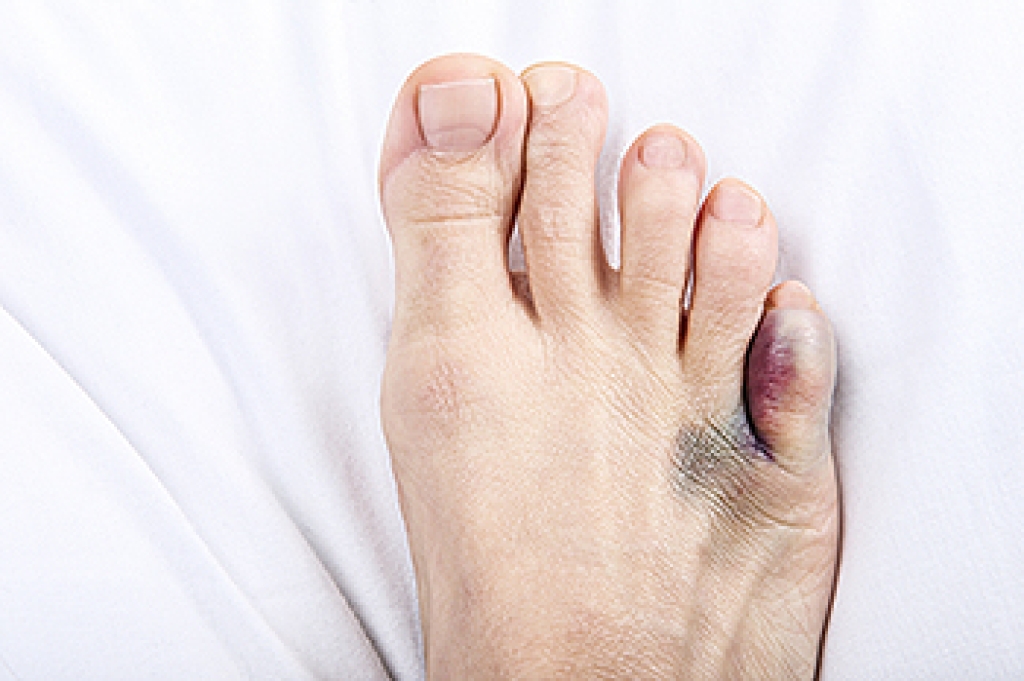
Although most people try to avoid foot trauma such as banging, stubbing, or dropping heavy objects on their feet, the unfortunate fact is that it is a common occurrence. Given the fact that toes are positioned in front of the feet, they typically sustain the brunt of such trauma. When trauma occurs to a toe, the result can be a painful break (fracture).

Symptoms of a Broken Toe

  • Throbbing pain
  • Swelling
  • Bruising on the skin and toenail
  • The inability to move the toe
  • Toe appears crooked or disfigured
  • Tingling or numbness in the toe

Generally, it is best to stay off of the injured toe with the affected foot elevated.

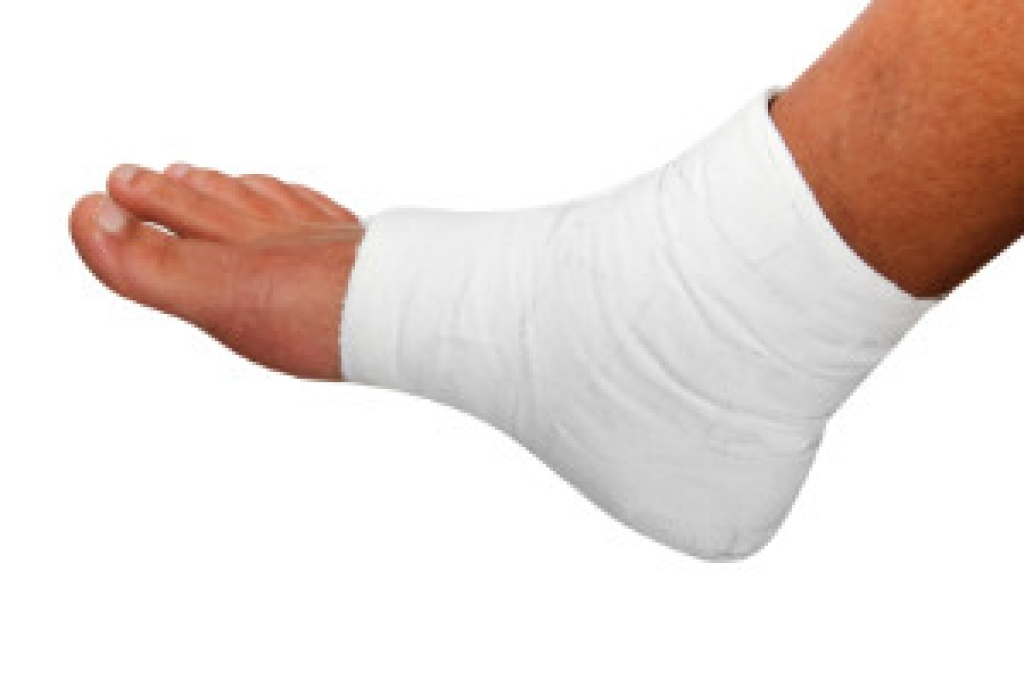
Severe toe fractures may be treated with a splint, cast, and in some cases, minor surgery. Due to its position and the pressure it endures with daily activity, future complications can occur if the big toe is not properly treated.

If you have any questions, please feel free to contact our office located in Lanham, MD . We offer the newest diagnostic and treatment technologies for all your foot care needs.
Read more about What to Know About a Broken Toe

Causes of Ankle Pain at Night

Experiencing ankle pain at night is a common and distressing phenomenon that disrupts sleep and affects daily life. The root causes of this discomfort are diverse, ranging from common injuries to underlying health conditions. One prevalent contributor is ankle sprains or twists that may stem from injuries or small ligament tears and result in persistent pain and swelling. Plantar fasciitis, a leading cause of ankle pain, affects millions in the United States. It results in heel pain and is linked to chronic overload, whether from lifestyle or exercise. Ligament sprains, occurring during sudden foot movements or twists, are another common trigger of ankle pain, with exercise, walking, or missteps being potential instigators. Stress fractures, though not complete, can lead to nighttime ankle pain due to repeated stress on foot bones. Conditions such as gout, poor circulation, and arthritis also play a role in causing ankle discomfort. Addressing the root cause of nighttime ankle pain is pivotal for obtaining relief and restoring a peaceful night's sleep, promoting overall well being. For an exam and diagnosis, it is suggested that you schedule an appointment with a podiatrist.

Ankle pain can be caused by a number of problems and may be potentially serious. If you have ankle pain, consult with Queen Mbanuzue, DPM from In Step Podiatry Center. Our doctor will assess your condition and provide you with quality foot and ankle treatment.

Ankle pain is any condition that causes pain in the ankle. Due to the fact that the ankle consists of tendons, muscles, bones, and ligaments, ankle pain can come from a number of different conditions.

Causes

The most common causes of ankle pain include:

  • Types of arthritis (rheumatoid, osteoarthritis, and gout)
  • Ankle sprains
  • Broken ankles
  • Achilles tendonitis
  • Achilles tendon rupture
  • Stress fractures
  • Bursitis
  • Tarsal tunnel syndrome
  • Plantar fasciitis

Symptoms

Symptoms of ankle injury vary based upon the condition. Pain may include general pain and discomfort, swelling, aching, redness, bruising, burning or stabbing sensations, and/or loss of sensation.

Diagnosis

Due to the wide variety of potential causes of ankle pain, podiatrists will utilize a number of different methods to properly diagnose ankle pain. This can include asking for personal and family medical histories and of any recent injuries. Further diagnosis may include sensation tests, a physical examination, and potentially x-rays or other imaging tests.

Treatment

Just as the range of causes varies widely, so do treatments. Some more common treatments are rest, ice packs, keeping pressure off the foot, orthotics and braces, medication for inflammation and pain, and surgery.

If you have any questions please feel free to contact our office located in Lanham, MD . We offer the newest diagnostic tools and technology to treat your foot and ankle needs.

Read more about Various Causes of Ankle Pain

Progression of Diabetic Foot Problems

Diabetic foot problems associated with diabetes mellitus can affect one or both feet in type one or type two diabetes cases. These issues, often linked to nerve damage and circulatory problems inherent to diabetes, exhibit symptoms over time. Common diabetic foot problems include skin complications and structural foot alterations, foot ulcers, infections, and foot structure changes. The root cause of diabetic foot problems lies in inadequate insulin regulation, as diabetes disrupts insulin production or responsiveness. Elevated blood sugar levels, over time, inflict nerve damage, leading to peripheral neuropathy and hindered blood circulation, resulting in peripheral artery disease, or PAD. Peripheral neuropathy symptoms can consist of numbness, tingling, and diminished sensation in the feet, making ulcer detection challenging. Left untreated, infections can fester due to impaired blood flow, potentially leading to gangrene and tissue death. Early-stage diabetic foot problems often go unnoticed but can be identified by leg pain, numbness, and skin changes. Timely intervention is crucial. Diabetic foot issues progress at varying rates. Untreated complications may entail ulcers, corns, deformities, muscle weakness, and impaired blood flow. Seeking professional treatment for wounds and infections is vital, with treatments like wound dressings, antibiotics, off-loading devices, and debridement. In severe cases, surgical intervention, such as vascular procedures, skin grafts, or deformity correction may be necessary. If you suffer from diabetic foot problems, it is strongly suggested that you schedule regular appointments with a podiatrist to monitor your feet and do all that is necessary to prevent problems from arising and taking care of those that do.

Diabetic foot care is important in preventing foot ailments such as ulcers. If you are suffering from diabetes or have any other concerns about your feet, contact Queen Mbanuzue, DPM from In Step Podiatry Center. Our doctor can provide the care you need to keep you pain-free and on your feet.

Diabetic Foot Care

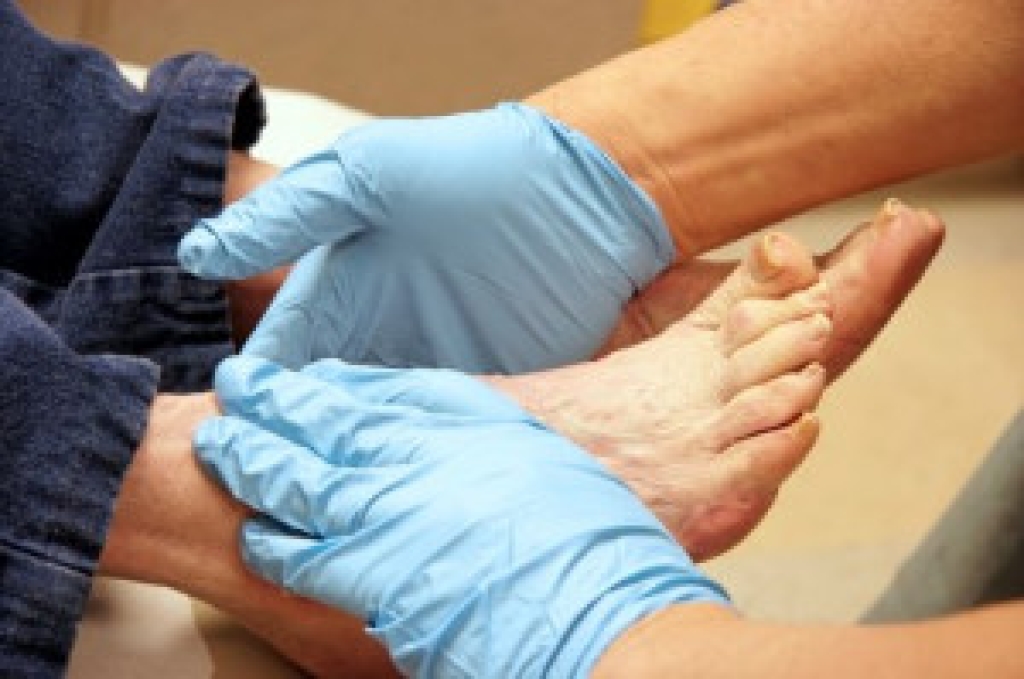
Diabetes affects millions of people every year. The condition can damage blood vessels in many parts of the body, especially the feet. Because of this, taking care of your feet is essential if you have diabetes, and having a podiatrist help monitor your foot health is highly recommended.

The Importance of Caring for Your Feet

  • Routinely inspect your feet for bruises or sores.
  • Wear socks that fit your feet comfortably.
  • Wear comfortable shoes that provide adequate support.

Patients with diabetes should have their doctor monitor their blood levels, as blood sugar levels play such a huge role in diabetic care. Monitoring these levels on a regular basis is highly advised.

It is always best to inform your healthcare professional of any concerns you may have regarding your feet, especially for diabetic patients. Early treatment and routine foot examinations are keys to maintaining proper health, especially because severe complications can arise if proper treatment is not applied.

If you have any questions, please feel free to contact our office located in Lanham, MD . We offer the newest diagnostic and treatment technologies for all your foot care needs.
Read more about Diabetic Foot Conditions

Diabetic Foot Wound Considerations in the Elderly Population

Wound care in the elderly, particularly when it comes to foot care, demands special considerations. Foot care education and routine foot care are widely emphasized to prevent foot ulceration in diabetes. However, elderly people face unique challenges that can affect their ability to maintain proper foot health. Factors such as poor vision, arthritic complications, diminished manual dexterity, and memory loss can hinder their capacity to prevent or treat foot lesions effectively. Studies have shown that a significant percentage of elderly individuals with diabetes struggle with basic foot care tasks. This underscores the need for tailored wound care strategies for this population. Furthermore, elderly patients with diabetes often contend with ocular complications, including diabetic retinopathy, cataracts, and glaucoma, which can impair their ability to care for their feet. If you are diabetic and elderly, or taking care of a person in this population, it is strongly suggested that you schedule regular appointments with a podiatrist for routine examinations, regular foot care, and treatment of foot wounds, should they arise.

Wound care is an important part in dealing with diabetes. If you have diabetes and a foot wound or would like more information about wound care for diabetics, consult with Queen Mbanuzue, DPM from In Step Podiatry Center. Our doctor will assess your condition and provide you with quality foot and ankle treatment.

What Is Wound Care?

Wound care is the practice of taking proper care of a wound. This can range from the smallest to the largest of wounds. While everyone can benefit from proper wound care, it is much more important for diabetics. Diabetics often suffer from poor blood circulation which causes wounds to heal much slower than they would in a non-diabetic. 

What Is the Importance of Wound Care?

While it may not seem apparent with small ulcers on the foot, for diabetics, any size ulcer can become infected. Diabetics often also suffer from neuropathy, or nerve loss. This means they might not even feel when they have an ulcer on their foot. If the wound becomes severely infected, amputation may be necessary. Therefore, it is of the upmost importance to properly care for any and all foot wounds.

How to Care for Wounds

The best way to care for foot wounds is to prevent them. For diabetics, this means daily inspections of the feet for any signs of abnormalities or ulcers. It is also recommended to see a podiatrist several times a year for a foot inspection. If you do have an ulcer, run the wound under water to clear dirt from the wound; then apply antibiotic ointment to the wound and cover with a bandage. Bandages should be changed daily and keeping pressure off the wound is smart. It is advised to see a podiatrist, who can keep an eye on it.

If you have any questions please contact our office located in Lanham, MD . We offer the newest diagnostic and treatment technologies for all your foot and ankle needs.

Read more about Wound Care

Heel Pain Can Be Treated!

Do you suffer from heel pain when you get up in the morning? If so, you should seek professional help and have a proper diagnosis performed. Heel pain can be caused by several different foot-related conditions.

Distinguishing Turf Toe From Gout

Turf toe and gout, although both affecting the feet, originate from distinct causes and exhibit different symptoms. Turf toe, often associated with athletes and individuals engaging in activities that involve repetitive pushing off the toe, is essentially a sprain of the ligaments surrounding the big toe joint. It manifests as pain, swelling, and limited range of motion. Conversely, gout is a form of inflammatory arthritis resulting from the crystallization of uric acid in the joints, frequently the big toe. Gout attacks bring intense pain, swelling, and redness. While turf toe stems from mechanical stress, gout is closely linked to diet and metabolic factors. Understanding these disparities is pivotal for accurate diagnosis and tailored treatment. If you have toe pain, it is suggested that you consult a podiatrist who can diagnose and treat turf toe and gout.

Toe pain can disrupt your daily activities. If you have any concerns, contact Queen Mbanuzue, DPM of In Step Podiatry Center. Our doctor can provide the care you need to keep you pain-free and on your feet.

What Causes Toe Pain?

Most severe toe pain is caused due to a sports injury, trauma from dropping something heavy on the toe, or bumping into something rigid. Other problems can develop over time for various reasons.

Toe pain can be caused by one or more ailments. The most common include:

  • Trauma
  • Sports injury
  • Wearing shoes that are too tight
  • Arthritis
  • Gout
  • Corns and calluses
  • Hammertoe
  • Bunions
  • Blisters
  • Ingrown toenails
  • Sprains
  • Fractures (broken bones)
  • Dislocations

When to See a Podiatrist

  • Severe pain
  • Persistent pain that lasts more than a week
  • Signs of infection
  • Continued swelling
  • Pain that prevents walking

Diagnosis

In many cases the cause of toe pain is obvious, but in others, a podiatrist may want to use more advanced methods to determine the problem. These can range from simple visual inspections and sensation tests to X-rays and MRI scans. Prior medical history, family medical history, and any recent physical traumatic events will all be taken into consideration for a proper diagnosis.

Treatment

Treatments for toe pain and injuries vary and may include shoe inserts, padding, taping, medicines, injections, and in some cases, surgery. If you believe that you have broken a toe, please see a podiatrist as soon as possible.

If you have any questions please contact our office located in Lanham, MD . We offer the newest diagnostic and treatment technologies for all your foot and ankle needs.

Read more about Toe Pain

Swollen Ankles Can Signal Health Problems

Swollen feet can serve as an indicator of underlying health issues, primarily stemming from fluid retention in body tissues. This phenomenon, known as edema, results from disruptions in the intricate processes of the circulatory system that can lead to the accumulation of excess fluid, resulting in swollen feet. Various factors contribute to edema, such as prolonged periods of standing that may impede blood flow, pregnancy-induced physiological changes, and varicose veins. In cases of congestive heart failure, the heart's inability to pump blood efficiently leads to blood stagnation, commonly causing edema in the lower limbs. Lymphedema, a consequence of a malfunctioning lymphatic system, can result from surgical procedures or genetic disorders, leading to fluid accumulation. Thyroid disorders, menstrual hormonal fluctuations, and liver damage, particularly cirrhosis caused by long-term alcohol exposure, are additional contributors to edema. Kidney disorders, such as nephrotic syndrome, can cause inefficient water removal and subsequent edema. For help with swollen feet or ankles, it is suggested that you schedule an appointment with a podiatrist for an exam and diagnosis.

Swollen feet can be a sign of an underlying condition. If you have any concerns, contact Queen Mbanuzue, DPM of In Step Podiatry Center. Our doctor can provide the care you need to keep you pain-free and on your feet.

Swollen feet are a common ailment among pregnant women and people who stand or sit for extended periods. Aging may increase the possibility of swollen feet and patients who are obese often notice when their feet are swelling too. There may be medical reasons why swollen feet occur:

  • Phlebitis - A condition that causes the veins to become inflamed and can also cause leg pain.
  • Liver disease - This may lead to low blood levels of albumin which is a protein. This can cause fluid in the blood to pass into the tissues and several areas of the body can become swollen.
  • Heart failure - When the heart doesn’t pump properly the blood that is normally pumped back to the heart can pool in the veins of the legs causing swollen feet.
  • Kidney disease - One of the main functions of the kidneys is releasing excess fluid in the body. This type of condition can make it difficult for the kidneys to function properly, and as a result the feet may become swollen.
  • Deep-vein thrombosis (DVT)- This is a serious condition where blood clots form in the veins of the legs. They can block the return of blood from the legs to the heart which may cause the feet to swell. It is important to be treated by a podiatrist if this condition is present.

Swollen feet can also be caused by bone and tendon conditions, including fractures, arthritis, and tendinitis. Additionally, there may be skin and toenail conditions and an infection may cause the feet to swell. Patients who take medicine to treat high blood pressure may be prone to getting swollen feet. 

Many patients elevate their feet to help relieve the swelling and this is generally a temporary remedy. When a podiatrist is consulted the reason behind the swelling can be uncovered and subsequently treated.

If you have any questions please contact our office located in Lanham, MD . We offer the newest diagnostic and treatment technologies for all your foot and ankle needs.

Read more about Swelling of the Feet

Causes of Metatarsal Joint Pain

Metatarsal joint pain, or pain in the ball of the foot, commonly results from misalignment of the joint surfaces. This puts pressure on the joint lining and destroys cartilage in the joints. Metatarsophalangeal, or MTP, joint misalignment can be caused by rheumatoid arthritis, a disorder that inflames the joints. In rheumatoid arthritis, hammer toes can develop, which can worsen joint pain and misalignment. Fat tissue, which helps cushion the joints when bearing weight, can be pushed forward under the toes, resulting in a loss of cushioning in the ball of the foot. A lack of cushioning normally occurs as many people age. It can make people more susceptible to pain when the ball of the foot is stressed or injured repeatedly, by running or walking excessively. A loss of cushioning also may cause damage to the nerves of the foot and lead to the development of calluses. MTP joint pain can also result from osteoarthritis or stiffening of the joints of the ball of the foot, often at the big toe joint. Many people with these disorders have an abnormal motion of the foot while bearing weight and walking. Walking is painful for people with metatarsal joint pain. The skin over the joint may feel mildly warm to the touch, and swelling may be present. Over time, pain and stiffening can be disabling. If you are experiencing extreme pain in the ball of the foot, it is suggested that you schedule an appointment with a podiatrist. This specialized foot doctor can examine the foot and suggest appropriate treatment options. 

Foot Pain

Foot pain can be extremely painful and debilitating. If you have a foot pain, consult with Queen Mbanuzue, DPM from In Step Podiatry Center. Our doctor will assess your condition and provide you with quality foot and ankle treatment.

Causes

Foot pain is a very broad condition that could be caused by one or more ailments. The most common include:

  • Bunions
  • Hammertoes
  • Plantar Fasciitis
  • Bone Spurs
  • Corns
  • Tarsal Tunnel Syndrome
  • Ingrown Toenails
  • Arthritis (such as Gout, Rheumatoid, and Osteoarthritis)
  • Flat Feet
  • Injury (from stress fractures, broken toe, foot, ankle, Achilles tendon ruptures, and sprains)
  • And more

Diagnosis

To figure out the cause of foot pain, podiatrists utilize several different methods. This can range from simple visual inspections and sensation tests to X-rays and MRI scans. Prior medical history, family medical history, and any recent physical traumatic events will all be taken into consideration for a proper diagnosis.

Treatment

Treatment depends upon the cause of the foot pain. Whether it is resting, staying off the foot, or having surgery; podiatrists have a number of treatment options available for foot pain.

If you have any questions, please feel free to contact our office located in Lanham, MD . We offer the newest diagnostic and treatment technologies for all your foot care needs.

Read more about Foot Pain