What Are Effective Fall Prevention Methods?

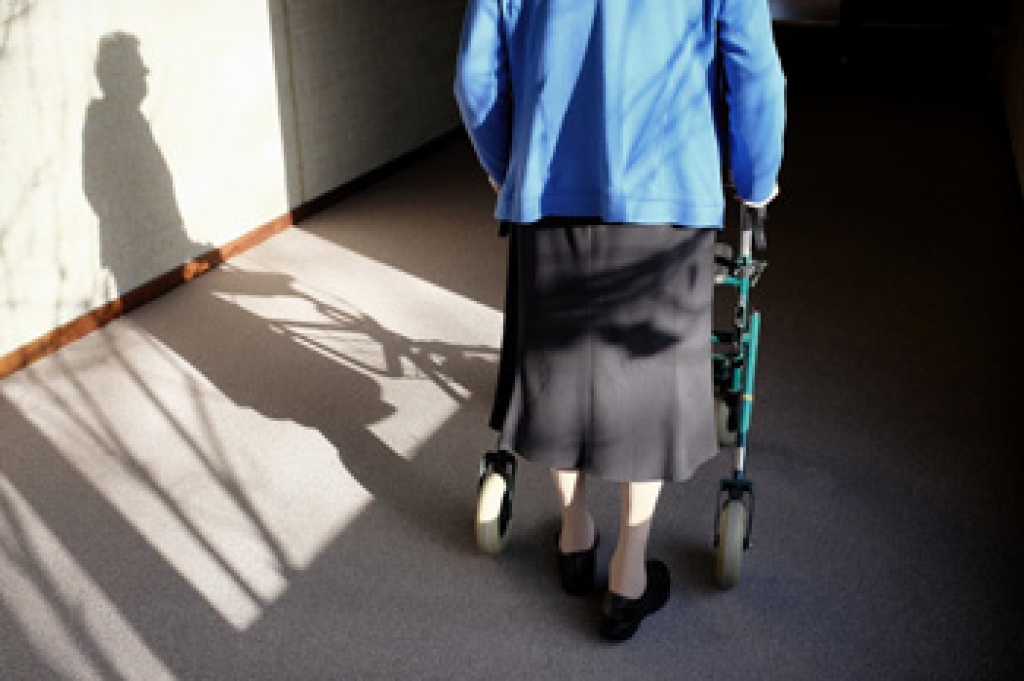
Research has shown seniors may be more prone to falling in the colder months than at other times of the year. The body may change with the shorter days, and people may  be uncomfortable in the fall and winter months. While walking outside, it is beneficial to wear shoes that fit well and have textured soles, such as sneakers. Fall prevention techniques can be implemented in the household, and can be effective in keeping the home safe. These can include putting brighter bulbs in the lighting fixtures and removing worn rugs from the living area. It is beneficial to clear away existing clutter, which can be a tripping hazard. Many people find it helpful to have grab bars installed in the shower and toilet area, in addition to using a bathmat. Having regular physical and eye examinations can be useful in updating current prescriptions and eyeglasses, and engaging in a gentle stretching routine can help the body to become stronger. If you have questions about additional fall prevention techniques to use, it is suggested that you visit a podiatrist who can provide you with the information you are seeking.

Preventing falls among the elderly is very important. If you are older and have fallen or fear that you are prone to falling, consult with Queen Mbanuzue, DPM from In Step Podiatry Center. Our doctor will assess your condition and provide you with quality advice and care.

Every 11 seconds, an elderly American is being treated in an emergency room for a fall related injury. Falls are the leading cause of head and hip injuries for those 65 and older. Due to decreases in strength, balance, senses, and lack of awareness, elderly persons are very susceptible to falling. Thankfully, there are a number of things older persons can do to prevent falls.

How to Prevent Falls

Some effective methods that older persons can do to prevent falls include:

  • Enrolling in strength and balance exercise program to increase balance and strength
  • Periodically having your sight and hearing checked
  • Discuss any medications you have with a doctor to see if it increases the risk of falling
  • Clearing the house of falling hazards and installing devices like grab bars and railings
  • Utilizing a walker or cane
  • Wearing shoes that provide good support and cushioning
  • Talking to family members about falling and increasing awareness

Falling can be a traumatic and embarrassing experience for elderly persons; this can make them less willing to leave the house, and less willing to talk to someone about their fears of falling. Doing such things, however, will increase the likelihood of tripping or losing one’s balance. Knowing the causes of falling and how to prevent them is the best way to mitigate the risk of serious injury.  

If you have any questions, please feel free to contact our office located in Lanham, MD . We offer the newest diagnostic and treatment technologies for all your foot care needs.
Read more about Falls Prevention

Sore and Swollen Feet During Pregnancy

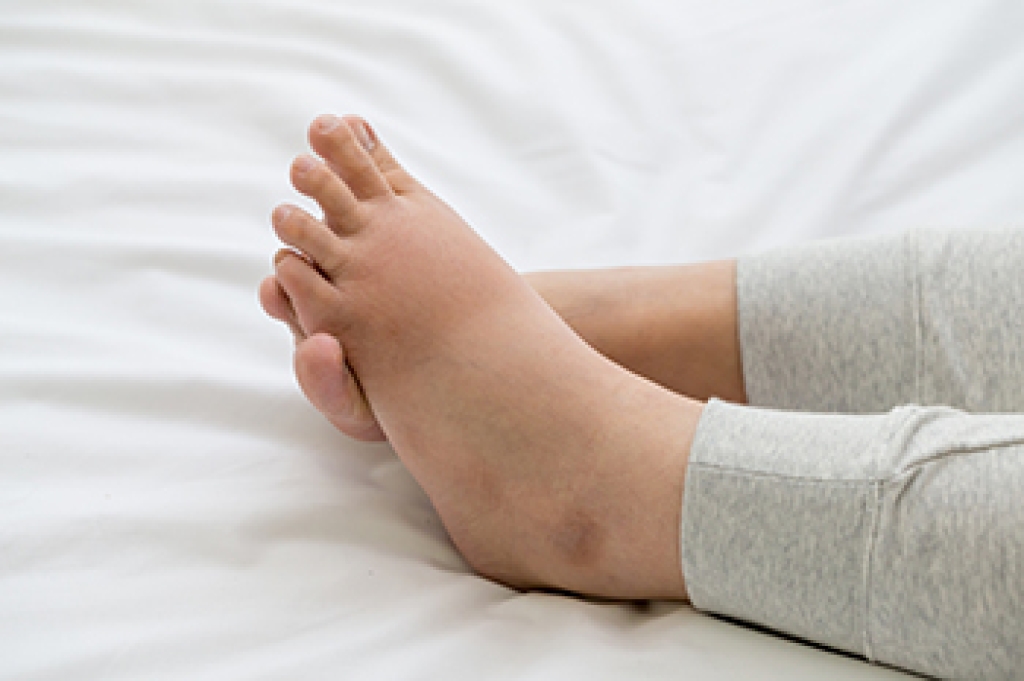
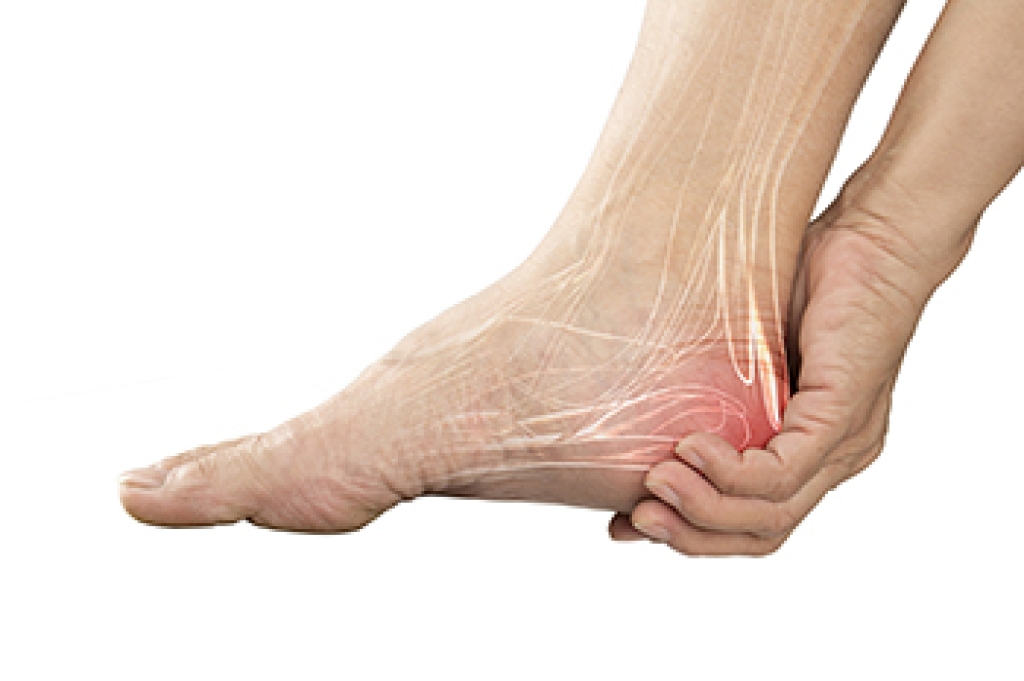
Many women experience discomfort during their pregnancy, and their feet are often affected. Foot pain and swelling often happen in the second or third trimester, making it difficult to complete daily tasks. The noticeable weight gain may cause plantar fasciitis to develop, as a result of the extra weight the heel and arches have to bear. This is a condition that targets the plantar fascia and causes it to become torn or inflamed. Edema is the medical term for swollen feet and is common among pregnant women. It happens from the extra fluids that the body naturally produces to support the growing fetus, and may pool in the feet and ankles. Foot pain may be managed by performing daily stretches which can help to increase blood flow and diminish soreness. Swollen feet may be helped by reducing sodium intake, and drinking plenty of water daily. If your pregnancy causes you to have foot pain or swollen feet, it is suggested that you speak to a podiatrist who can offer you additional relief options.

Pregnant women with swollen feet can be treated with a variety of different methods that are readily available. For more information about other cures for swollen feet during pregnancy, consult with Queen Mbanuzue, DPM from In Step Podiatry Center. Our doctor will attend to all of your foot and ankle needs.

What Foot Problems Can Arise During Pregnancy?

One problem that can occur is overpronation, which occurs when the arch of the foot flattens and tends to roll inward.  This can cause pain and discomfort in your heels while you’re walking or even just standing up, trying to support your baby.  

Another problem is edema, or swelling in the extremities. This often affects the feet during pregnancy but tends to occur in the later stages. 

How Can I Keep My Feet Healthy During Pregnancy?

  • Wearing orthotics can provide extra support for the feet and help distribute weight evenly
  • Minimize the amount of time spent walking barefoot
  • Wear shoes with good arch support
  • Wear shoes that allow for good circulation to the feet
  • Elevate feet if you experience swelling
  • Massage your feet
  • Get regular, light exercise, such as walking, to promote blood circulation to the feet

If you have any questions, please feel free to contact our office located in Lanham, MD . We offer the newest diagnostic and treatment technologies for all your foot care needs.

Read more about Foot Care for Pregnant Women

How Does Treatment for Sever’s Disease Begin?

Active children and young teenagers may be prone to developing Sever’s disease. It is a condition that affects the growth plate in the heel and can cause severe pain and discomfort. The pain is felt in the heel, and one of the first signs parents may notice is their child is limping. Additionally, affected children may walk on their tiptoes to avoid putting pressure on the heel. The treatment for Sever’s disease can begin with temporarily stopping the activity that caused this condition, and frequently elevating the affected foot. It is beneficial to avoid walking on that foot, and it may help to wear a protective boot or to use crutches. Parents may find their children may benefit from practicing stretching techniques, which can help the heel and calf muscles. If your active child has heel pain, it is suggested that you schedule an appointment with a podiatrist who can effectively diagnose and treat Sever’s disease. 

Sever's disease often occurs in children and teens. If your child is experiencing foot or ankle pain, see Queen Mbanuzue, DPM from In Step Podiatry Center. Our doctor can treat your child’s foot and ankle needs.

Sever’s Disease

Sever’s disease is also known as calcaneal apophysitis, which is a medical condition that causes heel pain I none or both feet. The disease is known to affect children between the ages of 8 and 14.

Sever’s disease occurs when part of the child’s heel known as the growth plate (calcaneal epiphysis) is attached to the Achilles tendon. This area can suffer injury when the muscles and tendons of the growing foot do not keep pace with bone growth. Therefore, the constant pain which one experiences at the back of the heel will make the child unable to put any weight on the heel. The child is then forced to walk on their toes.

Symptoms

Acute pain – Pain associated with Sever’s disease is usually felt in the heel when the child engages in physical activity such as walking, jumping and or running.

Highly active – Children who are very active are among the most susceptible in experiencing Sever’s disease, because of the stress and tension placed on their feet.

If you have any questions, please feel free to contact our office located in Lanham, MD . We offer the newest diagnostic and treatment technologies for all your foot care needs.
Read more about Sever's Disease

Let the Expert Treat Your Ingrown Toenails

Ingrown toenails can be painful and can make wearing shoes or walking uncomfortable. Seek professional help if you believe you've developed an ingrown toenail and be treated safely. 

Differences Between Walking and Running Shoes

It is beneficial for people who enjoy walking and running to learn about the differences between these two types of shoes. There are various forms of running, which can range from buying minimalist shoes that are designed for racing to cushioned shoes that are best for long-distance running. Most running shoes are made for different styles of running. These categories can include toe-strikers, midfoot strikers, and heel strikers. A person's foot structure and running type may lead to which type of shoe to choose. Research has shown people who enjoy taking a leisurely stroll may choose shoes that are designed for comfort instead of performance. Conversely, fitness walkers often prefer a flat, flexible, and lightweight shoe that does not cause the foot to slide. If you would like to have more information about the correct shoes to buy for the type of walking or running that is done, it is suggested that you consult with a podiatrist who can provide you with the knowledge you are seeking.

For more information about walking shoes versus running shoes, consult with Queen Mbanuzue, DPM from In Step Podiatry Center. Our doctor can measure your feet to determine what your needs are and help you find an appropriate pair of footwear.

Foot Health: The Differences between Walking & Running Shoes

There are great ways to stay in shape: running and walking are two great exercises to a healthy lifestyle. It is important to know that running shoes and walking shoes are not interchangeable. There is a key difference on how the feet hit the ground when someone is running or walking. This is why one should be aware that a shoe is designed differently for each activity.

You may be asking yourself what the real differences are between walking and running shoes and the answers may shock you.

Differences

Walking doesn’t involve as much stress or impact on the feet as running does. However, this doesn’t mean that you should be any less prepared. When you’re walking, you land on your heels and have your foot roll forward. This rolling motion requires additional support to the feet.

Flexibility – Walking shoes are designed to have soft, flexible soles. This allows the walker to push off easily with each step.

If you have any questions, please feel free to contact our office located in Lanham, MD . We offer the newest diagnostic and treatment technologies for all your foot care needs.
Read more about Differences between Walking and Running Shoes

How Psoriasis Can Affect the Feet

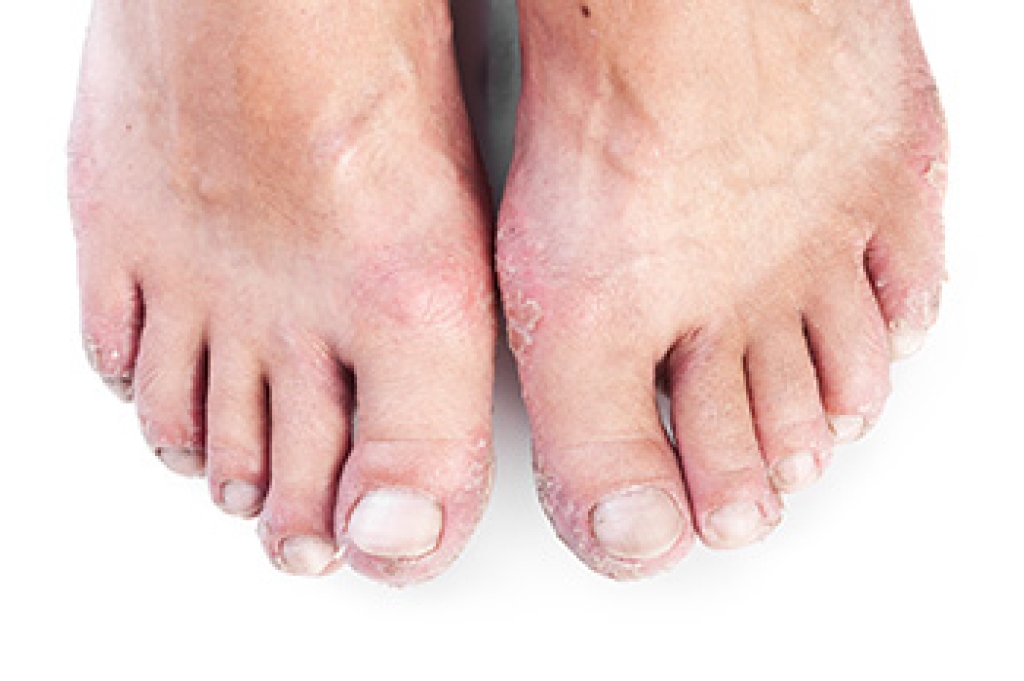
Psoriasis is an auto-immune skin condition that can affect many parts of the body, including the feet. When it causes a thickening of the skin covered in scales, it is referred to as plaque psoriasis. Symptoms of plaque psoriasis are itchy, dry, and cracked skin. Toenails may become pitted, cracked, or crumbly, and the affected skin may be painful. Scratching the skin leaves it open to infection. Psoriasis of the feet is referred to as pustular and may be the result of banging or rubbing of the area. This produces an itching sensation that can become quite uncomfortable. While there is no known cure for psoriasis, many treatment options are available, including steroid creams, medicated ointments, and moisturizers. For more information about dealing with psoriasis of the feet, it is suggested that you make an appointment with a podiatrist.  

Everyday foot care is very important to prevent infection and other foot ailments. If you need your feet checked, contact Queen Mbanuzue, DPM from In Step Podiatry Center. Our doctor can provide the care you need to keep you pain-free and on your feet.

Everyday Foot Care

Often, people take care of their bodies, face and hair more so than they do for their feet. But the feet are a very important aspect of our bodies, and one that we should pay more attention to. Without our feet, we would not be able to perform most daily tasks.

It is best to check your feet regularly to make sure there are no new bruises or cuts that you may not have noticed before. For dry feet, moisturizer can easily be a remedy and can be applied as often as necessary to the affected areas. Wearing shoes that fit well can also help you maintain good foot health, as well as making it easier to walk and do daily activities without the stress or pain of ill-fitting shoes, high heels, or even flip flops. Wearing clean socks with closed shoes is important to ensure that sweat and bacteria do not accumulate within the shoe. Clean socks help to prevent Athlete’s foot, fungi problems, bad odors, and can absorb sweat.

If you have any questions, please feel free to contact our office located in Lanham, MD . We offer the newest diagnostic and treatment technologies for all your foot care needs.
Read more about Everyday Foot Care

Various Reasons Why Stress Fractures Can Happen

Many people are aware when they have fractured a bone. The pain is sudden and often happens from an injury. This may not be true with stress fractures, as it develops over time. A stress fracture is considered to be a hairline fracture and is caused by repetitive movements. This is a common injury among people who enjoy running, or frequently participating in jumping activities. For example, osteoporosis can weaken the bones, which can make it easier for stress fractures to happen. Additionally, wearing shoes that do not fit correctly can gradually weaken the foot bones, possibly leading to developing a stress fracture. Mild relief may be found if sporting activities are temporarily stopped, and a supportive boot or cast is worn until complete healing has taken place. This can be followed by implementing specific stretches that can help to strengthen the foot. If you have a stress fracture, it is suggested that you confer with a podiatrist who can effectively diagnose and treat this foot condition.

Activities where too much pressure is put on the feet can cause stress fractures. To learn more, contact Queen Mbanuzue, DPM from In Step Podiatry Center. Our doctor can provide the care you need to keep your pain free and on your feet.

Dealing with Stress Fractures of the Foot and Ankle

Stress fractures occur in the foot and ankle when muscles in these areas weaken from too much or too little use.  The feet and ankles then lose support when walking or running from the impact of the ground. Since there is no protection, the bones receive the full impact of each step. Stress on the feet can cause cracks to form in the bones, thus creating stress fractures.

What Are Stress Fractures?

Stress fractures occur frequently in individuals whose daily activities cause great impact on the feet and ankles. Stress factors are most common among:

  • Runners                                
  • People affected with Osteoporosis
  • Tennis or basketball players
  • Gymnasts
  • High impact workouts

Symptoms

Pain from the fractures occur in the area of the fractures and can be constant or intermittent. It will often cause sharp or dull pain with swelling and tenderness. Engaging in any kind of activity which involves high impact will aggravate pain.

If you have any questions please contact our office located in Lanham, MD . We offer the newest diagnostic and treatment technologies for all your foot and ankle needs.

Read more about Dealing with Stress Fractures of the Foot and Ankle

Cracked Heels Treatment

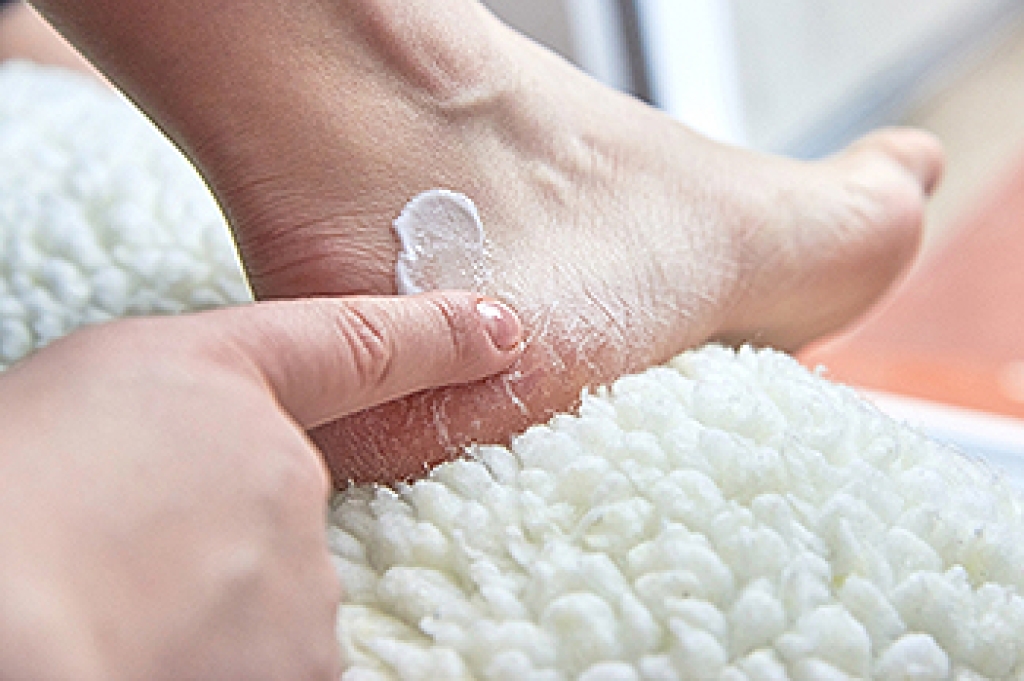
Having dry skin on the heels is common. It can lead to a foot condition that is known as cracked heels, and be quite uncomfortable. Untreated cracks in the skin can develop into fissures, which may bleed and become infected. The feet do not have oil glands, and they can dry out quicker than other parts of the body. Cracked heels can be caused by weaning shoes that have an open back, such as flip-flops or sandals. These types of shoes may put additional pressure on the heels' fat pads, and the skin may dry out. There may be existing medical conditions that can lead to developing cracked heels. These can include psoriasis, eczema, diabetes, or thyroid disorders. Mild relief may be found when the feet are frequently soaked in warm water, followed by removing any dead skin, which is referred to as exfoliating. Additionally, applying a good moisturizer may help the skin to feel soft and cause any dead skin to naturally fall off. If you have cracked heels, it is suggested that you confer with a podiatrist who can offer you additional treatment methods.

Cracked heels are unsightly and can cause further damage to your shoes and feet. If you have any concerns, contact Queen Mbanuzue, DPM from In Step Podiatry Center. Our doctor can provide the care you need to keep you pain-free and on your feet.

Cracked Heels

Cracked heels appear unappealing and can make it harder for you walk around in sandals. Aside from looking unpleasant, cracked heels can also tear stockings, socks, and wear out your shoes. There are several methods to help restore a cracked heel and prevent further damage.

How Do You Get Them?

Dry skin is the number one culprit in creating cracked heels. Many athletes, walkers, joggers, and even swimmers suffer from cracked heels. Age and skin oil production play a role to getting cracked heels as well.

Promote Healing

Over the counter medicines can help, especially for those that need instant relief or who suffer from chronic dry feet.

Wear Socks – Wearing socks with medicated creams helps lock in moisture.

Moisturizers – Applying both day and night will help alleviate dryness which causes cracking.

Pumice Stones – These exfoliate and remove dead skin, which allows for smoother moisturizer application and better absorption into the skin. 

Change in Diet

Eating healthy with a well-balanced diet will give the skin a fresh and radiant look. Your body responds to the kinds of food you ingest. Omega-3 fatty acids and zinc supplements can also revitalize skin tissue.

Most importantly, seek professional help if unsure how to proceed in treating cracked heels. A podiatrist will help you with any questions or information needed. 

If you have any questions, please feel free to contact our office located in Lanham, MD . We offer the newest diagnostic and treatment technologies for all your foot care needs.
Read more about Solutions for Cracked Heels

Can a Child Get a Hammertoe?

A hammertoe is a toe deformity where the toe is bent downward at the joint, resembling a hammer. This can happen in children because of a congenital disability, wearing shoes that do not fit well, or pressure from a bunion. Buying comfortable shoes with the right size and a wide enough toe box for the toes to spread out is critical. Using a corn pad to protect the hammertoe can help relieve pressure and discomfort from friction within shoes. A child with a hammertoe can also benefit from stretching their toe muscles throughout the day. It is important to treat this condition in children to prevent future foot problems. If your child has a hammertoe, it is strongly suggested that you visit a podiatrist who can provide a plan of treatment to ease pain, correct the deformity, and protect their feet from developing further issues.

Hammertoe

Hammertoes can be a painful condition to live with. For more information, contact Queen Mbanuzue, DPM from In Step Podiatry Center. Our doctor will answer any of your foot- and ankle-related questions.

Hammertoe is a foot deformity that affects the joints of the second, third, fourth, or fifth toes of your feet. It is a painful foot condition in which these toes curl and arch up, which can often lead to pain when wearing footwear.

Symptoms

  • Pain in the affected toes
  • Development of corns or calluses due to friction
  • Inflammation
  • Redness
  • Contracture of the toes

Causes

Genetics – People who are genetically predisposed to hammertoe are often more susceptible

Arthritis – Because arthritis affects the joints in your toes, further deformities stemming from arthritis can occur

Trauma – Direct trauma to the toes could potentially lead to hammertoe

Ill-fitting shoes – Undue pressure on the front of the toes from ill-fitting shoes can potentially lead to the development of hammertoe

Treatment

Orthotics – Custom made inserts can be used to help relieve pressure placed on the toes and therefore relieve some of the pain associated with it

Medications – Oral medications such as anti-inflammatories or NSAIDs could be used to treat the pain and inflammation hammertoes causes. Injections of corticosteroids are also sometimes used

Surgery – In more severe cases where the hammertoes have become more rigid, foot surgery is a potential option

If you have any questions, please feel free to contact our office located in Lanham, MD . We offer the newest diagnostic and treatment technologies for all your foot care needs.
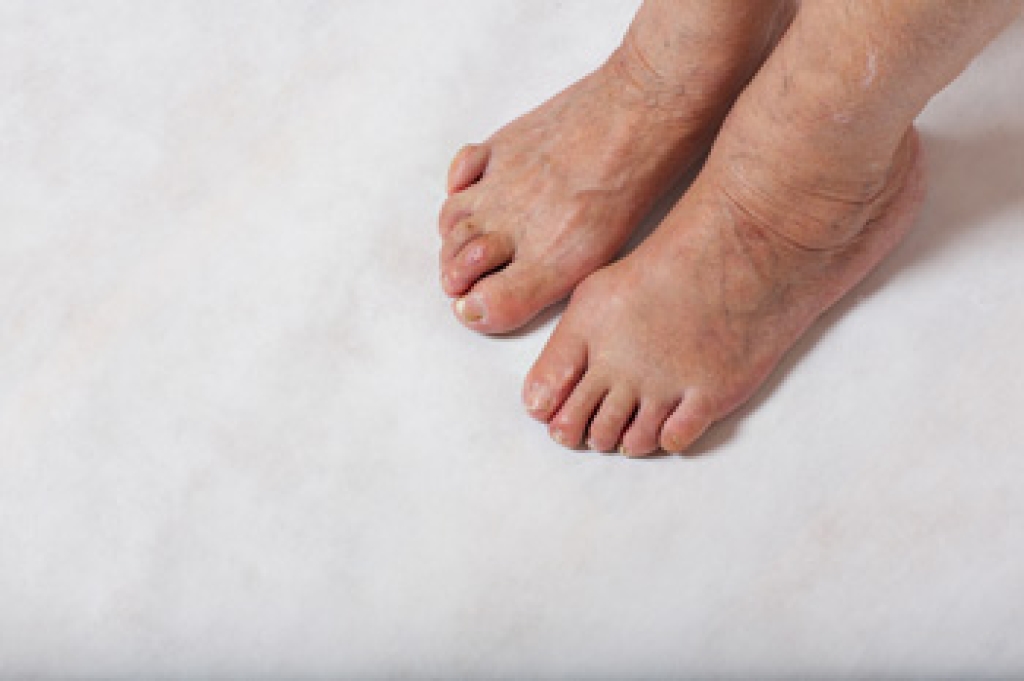
Read more about What Are Hammertoes?

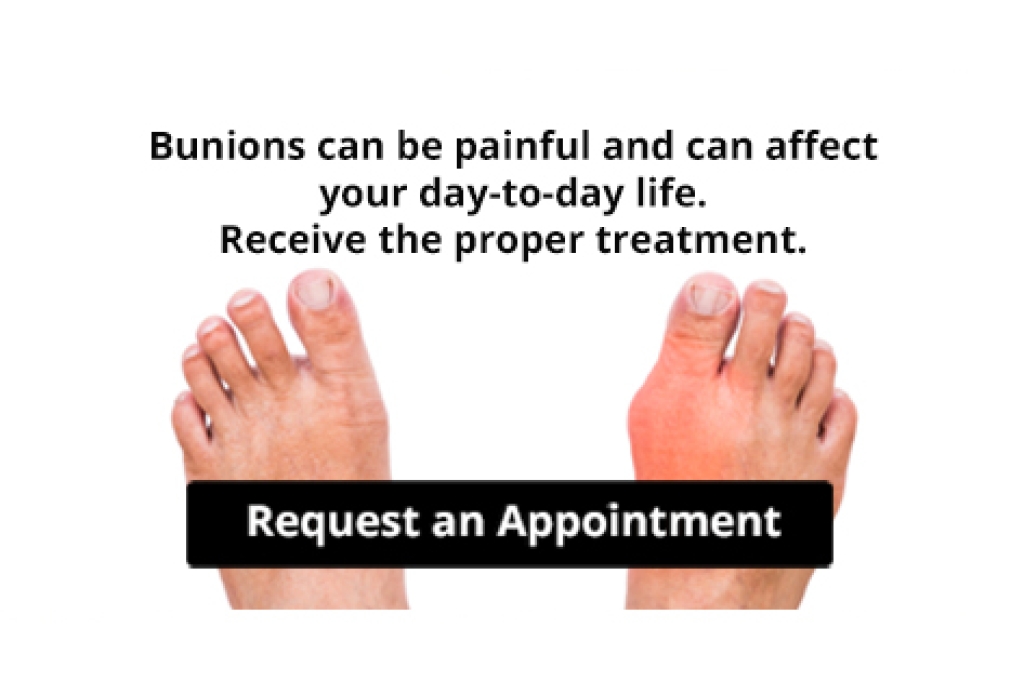
Are Bunions Affecting Your Everyday Life?

Have you noticed a bony protrusion on the side of your big toe? If so, you may have developed the foot condition known as a bunion. Don't let bunions interfere with your daily activities.