
Take extra care when walking on snow and ice. If you experience a fall and sustain an injury, we're here to help. We treat trauma, soft tissue injuries, and fractures.
Take extra care when walking on snow and ice. If you experience a fall and sustain an injury, we're here to help. We treat trauma, soft tissue injuries, and fractures.

About half of all acute injuries sustained in rock climbing involve the legs and feet. Often these injuries happen from falls to the ground or rocks hitting a person during a fall. Rock climbers can suffer from strains, contusions, and fractures to the feet that can stop them from participating in this enjoyable activity for some time. Wearing shoes that are too tight can lead to overstrain injuries that can increase stress on the forefoot during rock climbing. If you are a rock climber and want more information about protecting your feet and ankles while participating in your sport, or if your lower extremities have been injured, consult with a podiatrist.
Ankle and foot injuries are common among athletes and in many sports. They can be caused by several problems and may be potentially serious. If you are feeling pain or think you were injured in a sporting event or when exercising, consult with Queen Mbanuzue, DPM from In Step Podiatry Center. Our doctor will assess your condition and provide you with quality foot and ankle treatment.
Common Injuries
The most common injuries that occur in sporting activities include:
Symptoms
Symptoms vary depending upon the injury and in some cases, there may be no symptoms at all. However, in most cases, some form of symptom is experienced. Pain, aching, burning, bruising, tenderness, tightness or stiffness, sensation loss, difficulty moving, and swelling are the most common symptoms.
Treatment
Just as symptoms vary depending upon the injury, so do treatment options. A common treatment method is known as the RICE method. This method involves rest, applying ice, compression and elevating the afflicted foot or ankle. If the injury appears to be more serious, surgery might be required, such as arthroscopic or reconstructive surgery. Lastly, rehabilitation or therapy might be needed to gain full functionality in the afflicted area. Any discomfort experienced by an athlete must be evaluated by a licensed, reputable medical professional.
If you have any questions please contact our office located in Lanham, MD . We offer the newest diagnostic and treatment technologies for all your foot and ankle needs.

The feet are wonderfully complex and intricate parts of the human body. The foot is made up of a variety of bones, muscles, tendons, and ligaments that each serve a unique and important function in supporting the foot and its movement. Many individuals complain about having sweaty feet. This is explained, interestingly, by the more than 250,000 different sweat glands that are located in the feet. In just one day, the feet are capable of producing about half a pint of sweat. This fact may seem surprising, but it is nonetheless true. Additionally, another fun fact about the biomechanics of the feet is that there are more than 8,000 nerves located in the feet. As a result, the feet are particularly ticklish body parts. This large number of nerves is generally thought to be the reason for the feet being particularly ticklish. For more fun facts about the biomechanics of the feet, contact your podiatrist, a foot specialist, today.
If you have any concerns about your feet, contact Queen Mbanuzue, DPM from In Step Podiatry Center. Our doctor can provide the care you need to keep you pain-free and on your feet.
Biomechanics in Podiatry
Podiatric biomechanics is a particular sector of specialty podiatry with licensed practitioners who are trained to diagnose and treat conditions affecting the foot, ankle and lower leg. Biomechanics deals with the forces that act against the body, causing an interference with the biological structures. It focuses on the movement of the ankle, the foot and the forces that interact with them.
A History of Biomechanics
Modern technological improvements are based on past theories and therapeutic processes that provide a better understanding of podiatric concepts for biomechanics. Computers can provide accurate information about the forces and patterns of the feet and lower legs.
Understanding biomechanics of the feet can help improve and eliminate pain, stopping further stress to the foot.
If you have any questions please feel free to contact our office located in Lanham, MD . We offer the newest diagnostic and treatment technologies for all your foot and ankle needs.

Many people experience foot pain at some point in their lives and it can cause difficulty in completing daily activities. There are several types of foot pain and a variety of causes, which is why patients often seek relief. Many people endure an injury that can result in a broken toe or ankle and recovery can take up to eight weeks. Heel pain can indicate that a heel spur or plantar fasciitis has developed which can happen from wearing shoes that do not fit correctly. Debilitating toe pain may be caused by gout and this occurs from having excess uric levels in the blood. Additionally, women who frequently wear high heels may develop a condition known as Morton’s neuroma which affects the nerve between the third and fourth toes. The lack of adequate room in the toe area may cause this nerve to become compressed and irritated, often making it difficult to walk. Any type of foot pain is treated by a podiatrist and it is strongly suggested that you speak with this type of doctor to find the relief you are seeking.
Foot Pain
Foot pain can be extremely painful and debilitating. If you have a foot pain, consult with Queen Mbanuzue, DPM from In Step Podiatry Center. Our doctor will assess your condition and provide you with quality foot and ankle treatment.
Causes
Foot pain is a very broad condition that could be caused by one or more ailments. The most common include:
Diagnosis
To figure out the cause of foot pain, podiatrists utilize several different methods. This can range from simple visual inspections and sensation tests to X-rays and MRI scans. Prior medical history, family medical history, and any recent physical traumatic events will all be taken into consideration for a proper diagnosis.
Treatment
Treatment depends upon the cause of the foot pain. Whether it is resting, staying off the foot, or having surgery; podiatrists have a number of treatment options available for foot pain.
If you have any questions, please feel free to contact our office located in Lanham, MD . We offer the newest diagnostic and treatment technologies for all your foot care needs.
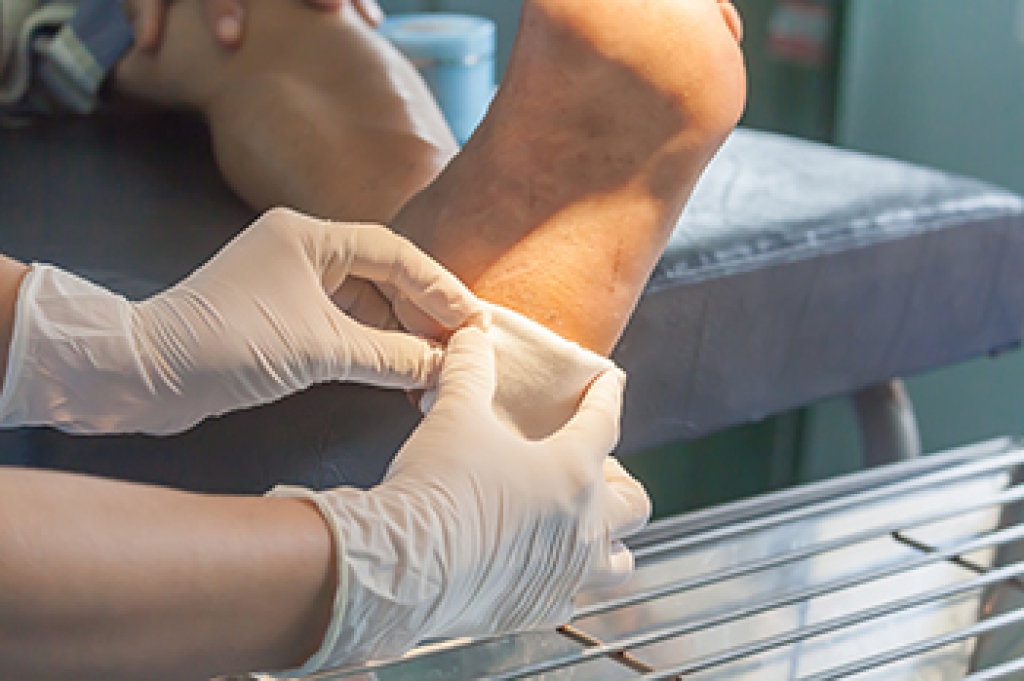
Wounds on the feet can happen for various reasons. Toe injuries, wearing shoes that do not fit correctly, or having diabetes may all contribute to having foot wounds. Diabetic patients can develop neuropathy, and they especially need to be careful of wounds that develop on the feet. This is the inability to feel cuts and scrapes on the feet, and an infection can easily occur. This can lead to getting a foot ulcer, and it is important that immediate medical treatment is sought. A podiatrist will remove dead skin that has formed, which is known as debridement. This is followed by dressing the wound, and antibiotics are often prescribed. Many times, the patient will wear special footwear which may include a boot or custom made orthotics. Diabetes occurs as a result of elevated blood sugar levels, and may be controlled by the foods that are eaten. This may help to reduce the recurrence of wounds on the feet, and regular visits with a podiatrist are strongly suggested. If you have a wound on your foot, please consult with this type of doctor who can treat existing foot wounds, and help you to manage diabetes.
Wound care is an important part in dealing with diabetes. If you have diabetes and a foot wound or would like more information about wound care for diabetics, consult with Queen Mbanuzue, DPM from In Step Podiatry Center. Our doctor will assess your condition and provide you with quality foot and ankle treatment.
What Is Wound Care?
Wound care is the practice of taking proper care of a wound. This can range from the smallest to the largest of wounds. While everyone can benefit from proper wound care, it is much more important for diabetics. Diabetics often suffer from poor blood circulation which causes wounds to heal much slower than they would in a non-diabetic.
What Is the Importance of Wound Care?
While it may not seem apparent with small ulcers on the foot, for diabetics, any size ulcer can become infected. Diabetics often also suffer from neuropathy, or nerve loss. This means they might not even feel when they have an ulcer on their foot. If the wound becomes severely infected, amputation may be necessary. Therefore, it is of the upmost importance to properly care for any and all foot wounds.
How to Care for Wounds
The best way to care for foot wounds is to prevent them. For diabetics, this means daily inspections of the feet for any signs of abnormalities or ulcers. It is also recommended to see a podiatrist several times a year for a foot inspection. If you do have an ulcer, run the wound under water to clear dirt from the wound; then apply antibiotic ointment to the wound and cover with a bandage. Bandages should be changed daily and keeping pressure off the wound is smart. It is advised to see a podiatrist, who can keep an eye on it.
If you have any questions please contact our office located in Lanham, MD . We offer the newest diagnostic and treatment technologies for all your foot and ankle needs.

Winter sports can be fun for many – but only with the proper protective gear. Even with the right equipment, however, injuries can happen. If you’ve sustained foot or ankle trauma or a foot or ankle injury, we’re here to help.
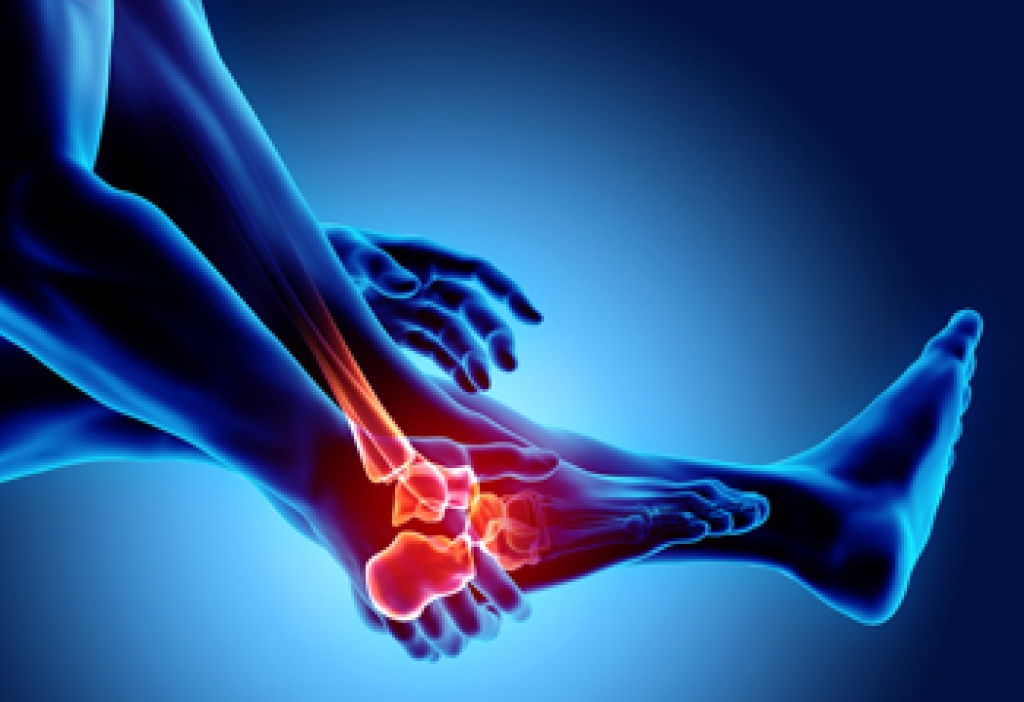
Pain, swelling, and a reduced range of motion are symptoms of arthritis. It can occur in the joints in the feet, possibly causing difficulty in completing daily activities. This can be a debilitating disorder, and there are prevention methods that can be implemented which may help to diminish painful symptoms. These can include controlling what foods are eaten so a healthy weight can be maintained, and engaging in a routine exercise regime. Additionally, it is beneficial to stop smoking, if applicable, and controlling blood sugar can reduce stiffness in the joints. Patients who have arthritis may often seek treatment, which can include creams and ointments for pain relief, or drugs that can help to suppress the immune system. There are several types of arthritis, and if you have difficulty moving your feet, it is strongly suggested that you consult with a podiatrist who can diagnose arthritis, and offer treatment options for the specific type you may have.
Arthritis can be a difficult condition to live with. If you are seeking treatment, contact Queen Mbanuzue, DPM from In Step Podiatry Center. Our doctor can provide the care you need to keep you pain-free and on your feet.
Arthritic Foot Care
Arthritis is a joint disorder that involves the inflammation of different joints in your body, such as those in your feet. Arthritis is often caused by a degenerative joint disease and causes mild to severe pain in all affected areas. In addition to this, swelling and stiffness in the affected joints can also be a common symptom of arthritis.
In many cases, wearing ill-fitting shoes can worsen the effects and pain of arthritis. Wearing shoes that have a lower heel and extra room can help your feet feel more comfortable. In cases of rheumatoid arthritis, the arch in your foot may become problematic. Buying shoes with proper arch support that contour to your feet can help immensely.
Alleviating Arthritic Pain
It is best to see your doctor for the treatment that is right for your needs and symptoms. Conditions vary, and a podiatrist can help you determine the right method of care for your feet.
If you have any questions please feel free to contact our office located in Lanham, MD . We offer the newest diagnostic tools and technology to treat your foot and ankle needs.

Experts believe that a certain amount of exercise is beneficial to women who are pregnant. One of the easiest ways to accomplish this is to develop a walking schedule. It is suggested to begin with 15 minutes three times a week at a moderate pace and work up to 30 minutes at a brisker pace. The recommended goal is 150 minutes of walking in a week. It is a good idea when embarking on any exercise regime to check with a medical professional before you begin. Be sure to wear walking shoes that offer the cushioning and support needed to account for the gradual increase in baby weight. Also, it’s a good idea to have your feet measured, as swelling that is common during pregnancy can change your foot size. It may be wise to have a companion to accompany you. It is recommended that you keep the back straight, head and eyes level, and look forward and not down when you walk. If at any time while walking you feel overtired, suddenly unwell, or in pain, stop immediately to rest. For more information, please contact a podiatrist.
Pregnant women with swollen feet can be treated with a variety of different methods that are readily available. For more information about other cures for swollen feet during pregnancy, consult with Queen Mbanuzue, DPM from In Step Podiatry Center. Our doctor will attend to all of your foot and ankle needs.
What Foot Problems Can Arise During Pregnancy?
One problem that can occur is overpronation, which occurs when the arch of the foot flattens and tends to roll inward. This can cause pain and discomfort in your heels while you’re walking or even just standing up, trying to support your baby.
Another problem is edema, or swelling in the extremities. This often affects the feet during pregnancy but tends to occur in the later stages.
How Can I Keep My Feet Healthy During Pregnancy?
If you have any questions, please feel free to contact our office located in Lanham, MD . We offer the newest diagnostic and treatment technologies for all your foot care needs.
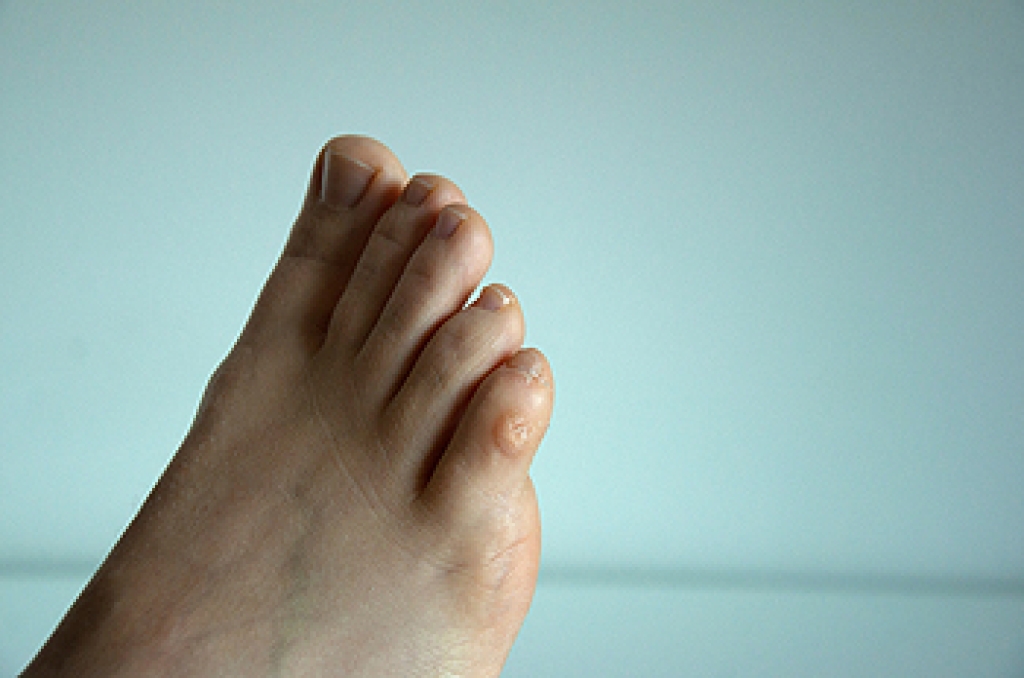
A corn that develops on the foot can produce severe pain and discomfort. It happens as a result of excessive pressure that is put on a specific part of the foot from the worn shoes. The places where corns can develop are on the side of the pinky toe, the soles of the feet, or on top of the toes. Many people choose to wear shoes that are too tight because of workplace policies or for appearance reasons, and this may be why corns can develop. Patients who have corns that are not treated or removed may notice their gait or walking style is compromised, which is a defense mechanism against the pain. Mild relief may be found when the foot is soaked in warm water, and a pumice stone is used which may reduce the size of the corn. This is generally a temporary fix and the corn may reappear if not treated permanently. If you are afflicted with a corn, it is strongly suggested that you speak to a podiatrist who can offer you several treatment options.
If you have any concerns regarding your feet and ankles, contact Queen Mbanuzue, DPM of In Step Podiatry Center. Our doctor will treat your foot and ankle needs.
Corns: What Are They? and How Do You Get Rid of Them?
Corns can be described as areas of the skin that have thickened to the point of becoming painful or irritating. They are often layers and layers of the skin that have become dry and rough, and are normally smaller than calluses.
Ways to Prevent Corns
There are many ways to get rid of painful corns such as wearing:
Treating Corns
Treatment of corns involves removing the dead skin that has built up in the specific area of the foot. Consult with Our doctor to determine the best treatment option for your case of corns.
If you have any questions, please feel free to contact our office located in Lanham, MD . We offer the newest diagnostic and treatment technologies for all your foot care needs.
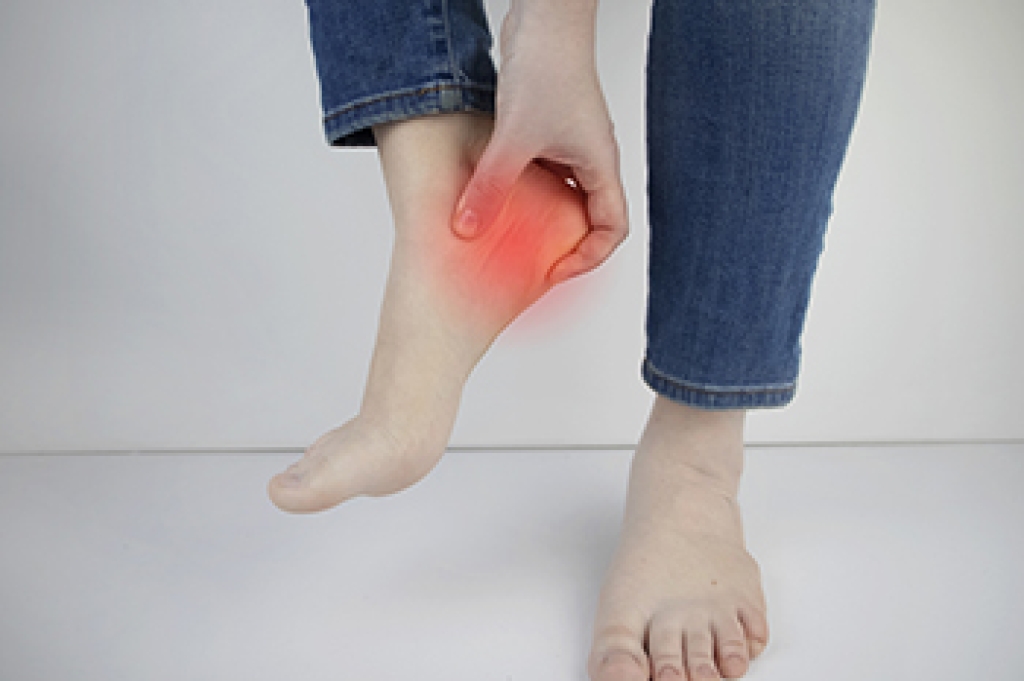
The foot condition referred to as plantar fasciitis can cause severe heel pain. It affects the plantar fascia, which is the band of tissue that connects the heel to the toes, and is located on the sole of the foot. Repetitive running and overuse may cause the plantar fascia to become inflamed or torn, and this often requires medical attention. Many patients notice the pain is worse in the morning after arising, and may become milder as the foot warms up while walking. This condition may occur from standing on hard or uneven surfaces for most of the day, or possibly from wearing shoes that have little or no support. Mild relief may be found when custom-made orthotics are worn, and this may help to take pressure off of the plantar fascia. If you have heel pain, it is strongly advised that you are under the care of a podiatrist who can effectively diagnose and properly treat plantar fasciitis.
Plantar fasciitis can be very painful and inconvenient. If you are experiencing heel pain or symptoms of plantar fasciitis, contact Queen Mbanuzue, DPM from In Step Podiatry Center. Our doctor can provide the care you need to keep you pain-free and on your feet.
What Is Plantar Fasciitis?
Plantar fasciitis is the inflammation of the thick band of tissue that runs along the bottom of your foot, known as the plantar fascia, and causes mild to severe heel pain.
What Causes Plantar Fasciitis?
How Can It Be Treated?
While very treatable, plantar fasciitis is definitely not something that should be ignored. Especially in severe cases, speaking to your doctor right away is highly recommended to avoid complications and severe heel pain. Your podiatrist can work with you to provide the appropriate treatment options tailored to your condition.
If you have any questions, please feel free to contact our office located in Lanham, MD . We offer the newest diagnostic and treatment technologies for all your foot care needs.

