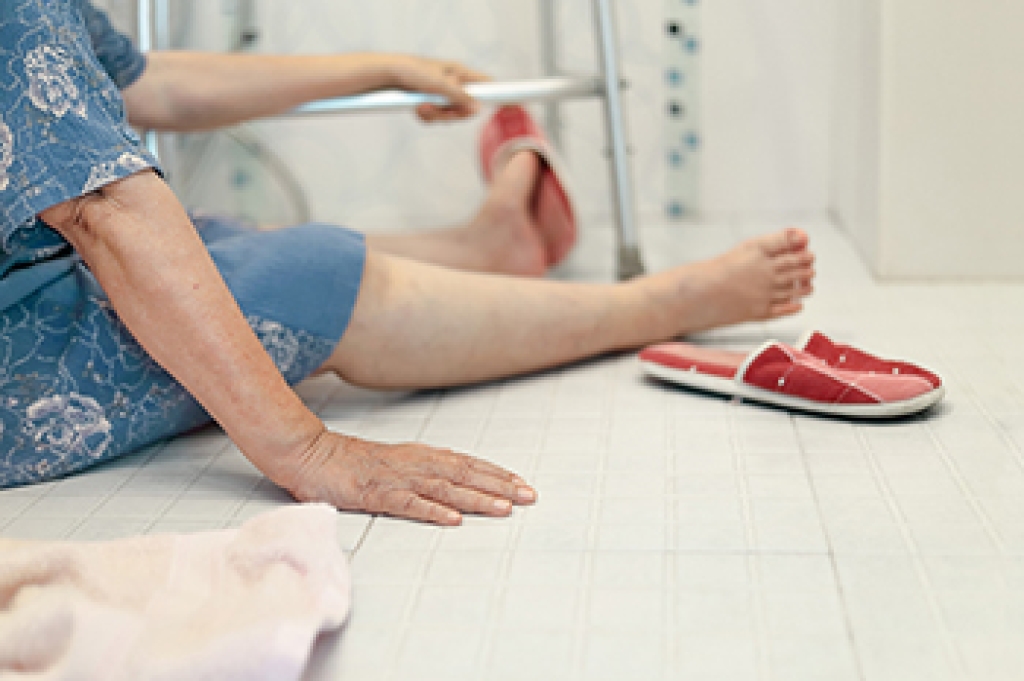
Tips for Preventing Falls Among the Elderly

Falling presents a significant threat to the well-being of older adults, often leading to severe injuries, hospitalization, and sometimes death. With age, the risk of falling can increase as a result of health issues such as arthritis, muscle weakness, and poor balance. Tips for preventing falls can start with evaluating prescription medications that may affect balance. It is beneficial to create a safer home environment by keeping pathways clear of cords and removing loose carpets or rugs. Installing additional lighting in dim areas and staircases, and placing nightlights in key locations are effective fall prevention techniques. Additional methods can consist of decluttering living spaces, especially around stairs and narrow passageways, and installing handrails on both sides of steps, indoors and outdoors. Put grab bars near the toilet and bathtub, and use non-slip mats in the bathroom. Choose shoes with secure soles and proper back support, avoiding loose slippers or socks. A podiatrist can aid in the prevention of falls through assessments of balance, strength, and walking gait. For more information, it is suggested that you make an appointment with this type of doctor who can guide you toward living in a safe environment.

Preventing falls among the elderly is very important. If you are older and have fallen or fear that you are prone to falling, consult with Queen Mbanuzue, DPM from In Step Podiatry Center. Our doctor will assess your condition and provide you with quality advice and care.

Every 11 seconds, an elderly American is being treated in an emergency room for a fall related injury. Falls are the leading cause of head and hip injuries for those 65 and older. Due to decreases in strength, balance, senses, and lack of awareness, elderly persons are very susceptible to falling. Thankfully, there are a number of things older persons can do to prevent falls.

How to Prevent Falls

Some effective methods that older persons can do to prevent falls include:

  • Enrolling in strength and balance exercise program to increase balance and strength
  • Periodically having your sight and hearing checked
  • Discuss any medications you have with a doctor to see if it increases the risk of falling
  • Clearing the house of falling hazards and installing devices like grab bars and railings
  • Utilizing a walker or cane
  • Wearing shoes that provide good support and cushioning
  • Talking to family members about falling and increasing awareness

Falling can be a traumatic and embarrassing experience for elderly persons; this can make them less willing to leave the house, and less willing to talk to someone about their fears of falling. Doing such things, however, will increase the likelihood of tripping or losing one’s balance. Knowing the causes of falling and how to prevent them is the best way to mitigate the risk of serious injury.  

If you have any questions, please feel free to contact our office located in Lanham, MD . We offer the newest diagnostic and treatment technologies for all your foot care needs.
Read more about Falls Prevention

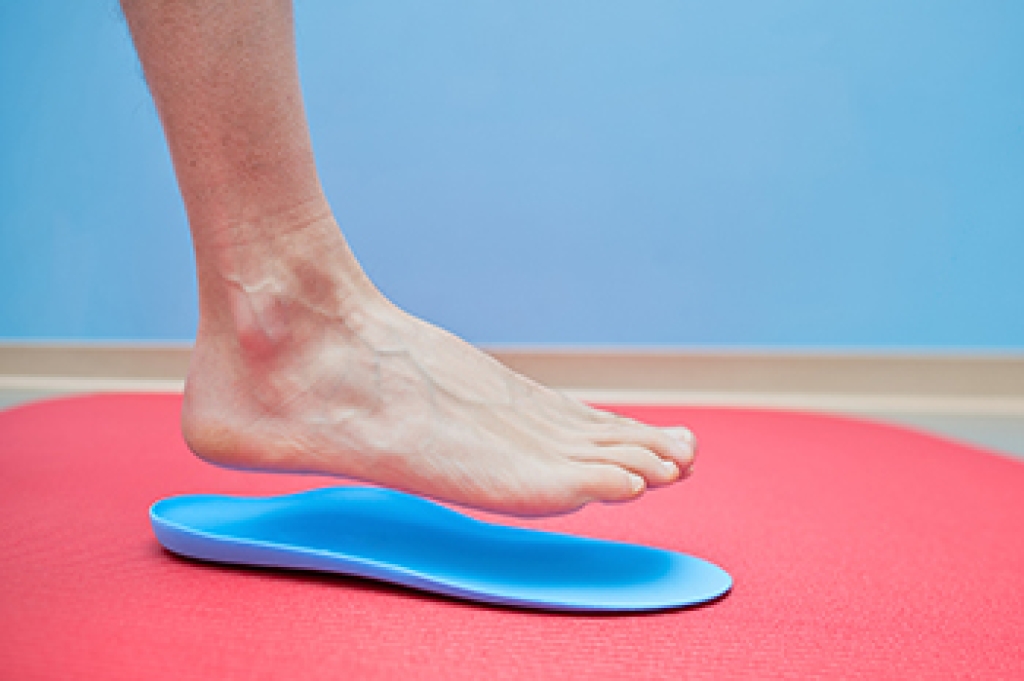
Exploring Orthotics for Foot, Leg, or Back Pain Relief

Orthotics are customized shoe or heel inserts made to address foot, leg, or back problems. Tailored to an individual's needs, orthotics can be a crucial component of treatment plans for various symptoms related to discomfort and pain in these areas. The aim of orthotics may be to correct foot deformities, improve foot and ankle function, provide ankle support, and reduce the risk of further injuries. Orthotics are used to address a number of medical conditions such as arthritis, back pain, bunions, bursitis, and diabetes-related foot issues. Orthotics also can be prescribed for flat feet, hammer toes, heel spurs, high arches, injuries, and plantar fasciitis. Orthotics can provide support, correct positioning, and alleviate stress on specific areas. They are often combined with supportive footwear, physical therapy, and medication for holistic treatment. Different types of orthotics, from rigid to flexible materials, cater to various conditions. Proper fitting and usage are essential for positive outcomes. If you have pain in your feet, legs, or back, it is suggested that you make an appointment with a podiatrist to see if orthotics may be a helpful part of a treatment plan.

If you are having discomfort in your feet and would like to try orthotics, contact Queen Mbanuzue, DPM from In Step Podiatry Center. Our doctor can provide the care you need to keep you pain-free and on your feet.

What Are Orthotics?

Orthotics are inserts you can place into your shoes to help with a variety of foot problems such as flat feet or foot pain. Orthotics provide relief and comfort for minor foot and heel pain but can’t correct serious biomechanical problems in your feet.

Over-the-Counter Inserts

Orthotics come in a wide variety of over-the-counter inserts that are used to treat foot pain, heel pain, and minor problems. For example, arch supports can be inserted into your shoes to help correct overarched or flat feet, while gel insoles are often used because they provide comfort and relief from foot and heel pain by alleviating pressure.

Prescription Orthotics

If over-the-counter inserts don’t work for you or if you have a more severe foot concern, it is possible to have your podiatrist prescribe custom orthotics. These high-quality inserts are designed to treat problems such as abnormal motion, plantar fasciitis, and severe forms of heel pain. They can even be used to help patients suffering from diabetes by treating foot ulcers and painful calluses and are usually molded to your feet individually, which allows them to provide full support and comfort.

If you are experiencing minor to severe foot or heel pain, it’s recommended to speak with your podiatrist about the possibilities of using orthotics. A podiatrist can determine which type of orthotic is right for you and allow you to take the first steps towards being pain-free.

If you have any questions, please feel free to contact our office located in Lanham, MD . We offer the newest diagnostic and treatment technologies for all your foot care needs.

Read more about Foot Orthotics

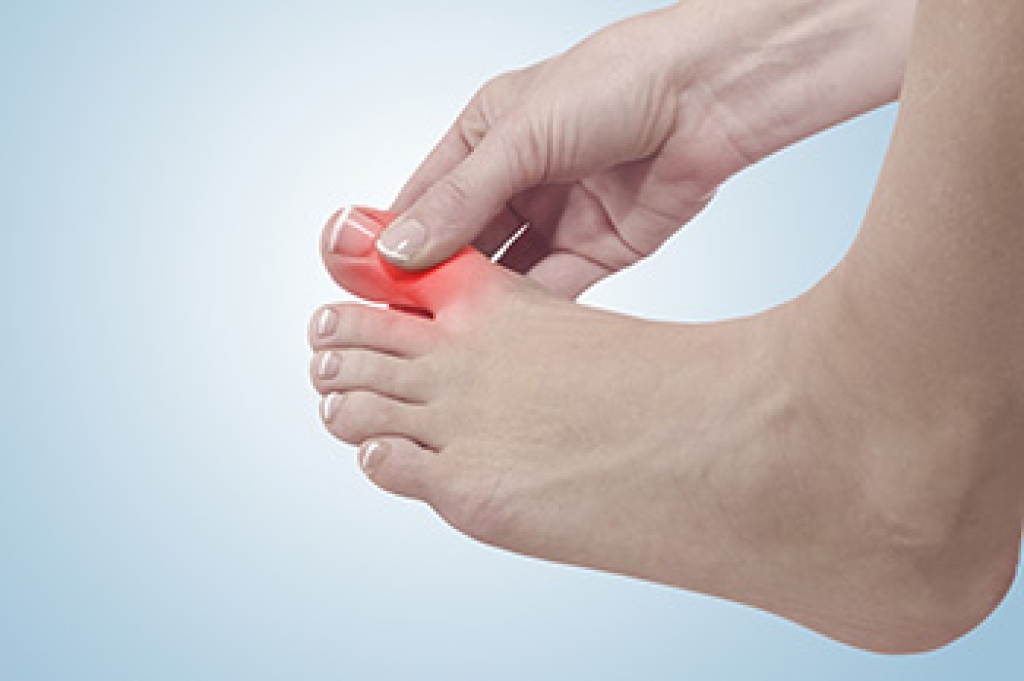
Can Toe Pain Be Treated?

Toe pain can disrupt your daily routine and affect mobility. Common causes for toe pain consist of ingrown toenails, bunions, and gout. An ingrown toenail can develop from wearing shoes that are too tight, or it may happen from trimming the toenails incorrectly. A bunion is described as a bony lump that forms on the side of the big toe and can cause a moderate level of discomfort. Gout is considered to be a form of arthritis that often affects the joints in the big toe, possibly causing debilitating pain. It is crucial to uncover the cause of the toe pain, and this can precede the correct treatment. Resting the affected foot can help reduce existing swelling caused by toe pain. Some toe pain may be alleviated by wearing shoes that fit correctly and performing specific types of stretches that can improve flexibility and reduce pain. In severe cases, surgical intervention may be necessary to correct structural issues. It is suggested that you consult a podiatrist who can determine the underlying cause of your toe pain and provide personalized treatment for recovery.

Toe pain can disrupt your daily activities. If you have any concerns, contact Queen Mbanuzue, DPM of In Step Podiatry Center. Our doctor can provide the care you need to keep you pain-free and on your feet.

What Causes Toe Pain?

Most severe toe pain is caused due to a sports injury, trauma from dropping something heavy on the toe, or bumping into something rigid. Other problems can develop over time for various reasons.

Toe pain can be caused by one or more ailments. The most common include:

  • Trauma
  • Sports injury
  • Wearing shoes that are too tight
  • Arthritis
  • Gout
  • Corns and calluses
  • Hammertoe
  • Bunions
  • Blisters
  • Ingrown toenails
  • Sprains
  • Fractures (broken bones)
  • Dislocations

When to See a Podiatrist

  • Severe pain
  • Persistent pain that lasts more than a week
  • Signs of infection
  • Continued swelling
  • Pain that prevents walking

Diagnosis

In many cases the cause of toe pain is obvious, but in others, a podiatrist may want to use more advanced methods to determine the problem. These can range from simple visual inspections and sensation tests to X-rays and MRI scans. Prior medical history, family medical history, and any recent physical traumatic events will all be taken into consideration for a proper diagnosis.

Treatment

Treatments for toe pain and injuries vary and may include shoe inserts, padding, taping, medicines, injections, and in some cases, surgery. If you believe that you have broken a toe, please see a podiatrist as soon as possible.

If you have any questions please contact our office located in Lanham, MD . We offer the newest diagnostic and treatment technologies for all your foot and ankle needs.

Read more about Toe Pain

Why Live with Pain and Numbness in Your Feet?

Suffering from this type of pain? You may have the foot condition known as Morton's neuroma. Morton's neuroma may develop as a result of ill-fitting footwear and existing foot deformities. We can help.

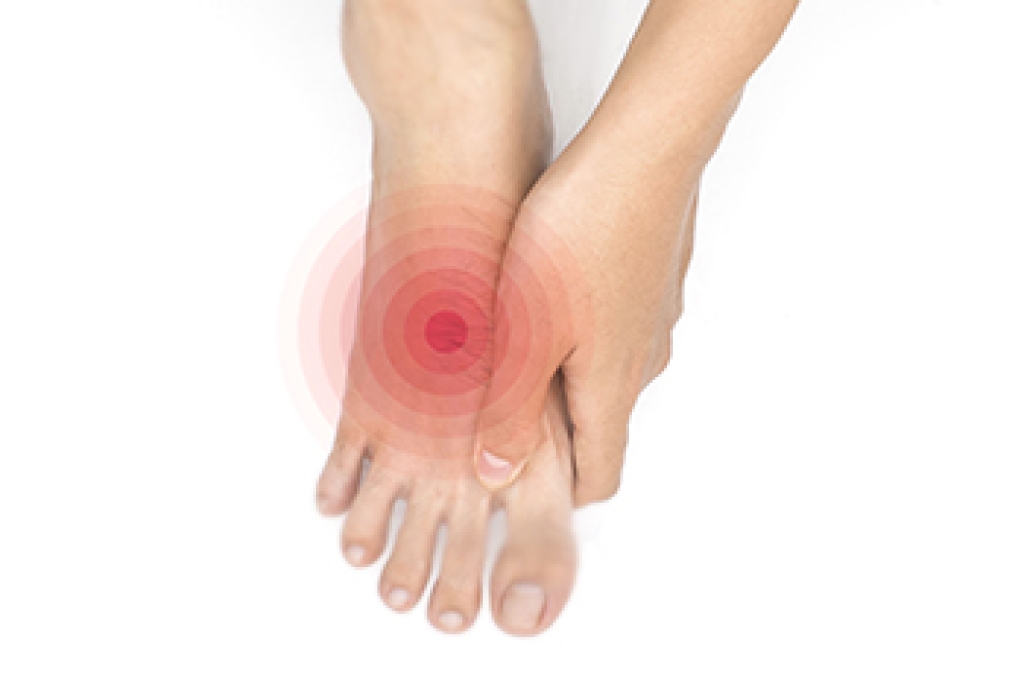
Essential Tips for Diabetic Foot Care

For individuals with diabetes, a proper foot care routine is crucial to managing their health. High blood sugar levels can damage nerves and reduce blood flow to the feet, increasing the risk of complications. A diabetic foot care routine can begin with washing your feet daily with mild soap and warm water and ensuring thorough drying, especially between the toes, to prevent infections. This can be followed by examining the feet every day for any cuts, blisters, redness, or swelling. Early detection of problems is essential for timely intervention. It is vital to keep the skin hydrated by applying moisturizer. Wearing proper shoes can help the feet to feel comfortable, and it is beneficial to refrain from walking barefoot. Trim the nails straight across instead of in a curved fashion to prevent ingrown toenails. If you have diabetes, it is strongly suggested that you are under the care of a podiatrist trained to deal with complications from this diabetes. 

Diabetic foot care is important in preventing foot ailments such as ulcers. If you are suffering from diabetes or have any other concerns about your feet, contact Queen Mbanuzue, DPM from In Step Podiatry Center. Our doctor can provide the care you need to keep you pain-free and on your feet.

Diabetic Foot Care

Diabetes affects millions of people every year. The condition can damage blood vessels in many parts of the body, especially the feet. Because of this, taking care of your feet is essential if you have diabetes, and having a podiatrist help monitor your foot health is highly recommended.

The Importance of Caring for Your Feet

  • Routinely inspect your feet for bruises or sores.
  • Wear socks that fit your feet comfortably.
  • Wear comfortable shoes that provide adequate support.

Patients with diabetes should have their doctor monitor their blood levels, as blood sugar levels play such a huge role in diabetic care. Monitoring these levels on a regular basis is highly advised.

It is always best to inform your healthcare professional of any concerns you may have regarding your feet, especially for diabetic patients. Early treatment and routine foot examinations are keys to maintaining proper health, especially because severe complications can arise if proper treatment is not applied.

If you have any questions, please feel free to contact our office located in Lanham, MD . We offer the newest diagnostic and treatment technologies for all your foot care needs.
Read more about Diabetic Foot Care

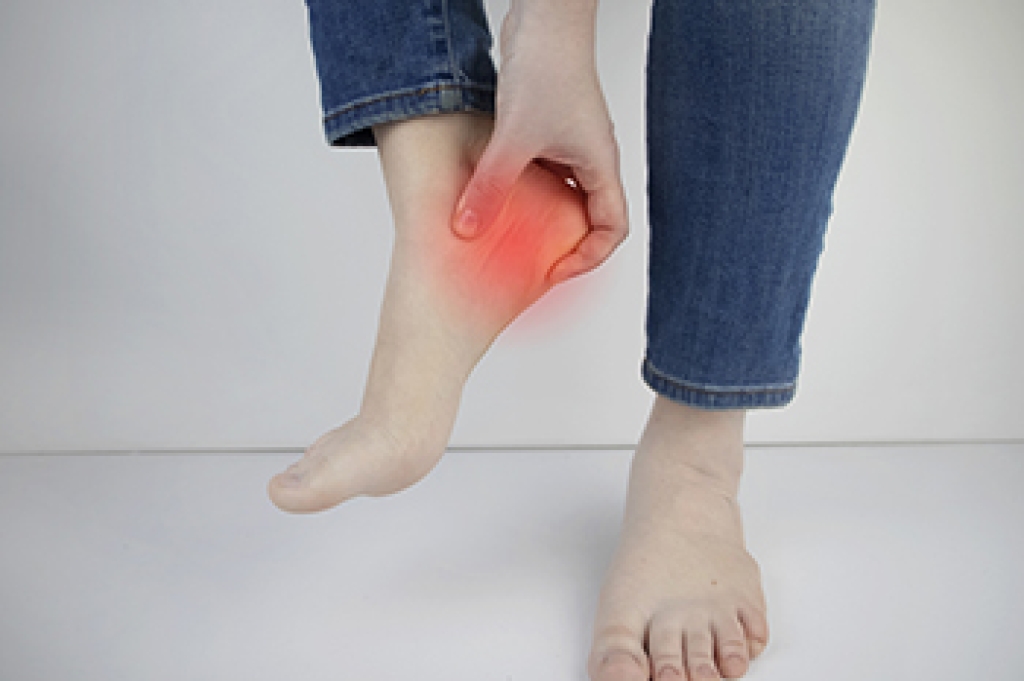
What Causes Plantar Fasciitis?

The most common cause of heel pain is plantar fasciitis. It is defined as irritation or tearing of the plantar fascia and can cause difficulty in walking. The plantar fascia is found on the sole and connects the heel to the toes. It is instrumental in pointing and flexing the foot and can become torn for various reasons. These can include standing on hard or uneven surfaces most of the day or wearing shoes that do not fit correctly. Additionally, people who are overweight may develop plantar fasciitis due to the added weight the heels must endure. The heel pain felt with plantar fasciitis may be worse in the morning upon arising and may improve when walking is done, as the plantar fascia is stretched. If you have heel pain, it is strongly suggested that you are under the care of a podiatrist who can properly diagnose and treat plantar fasciitis.

Plantar fasciitis is a common foot condition that is often caused by a strain injury. If you are experiencing heel pain or symptoms of plantar fasciitis, contact Queen Mbanuzue, DPM from In Step Podiatry Center. Our doctor can provide the care you need to keep you pain-free and on your feet.

What Is Plantar Fasciitis?

Plantar fasciitis is one of the most common causes of heel pain. The plantar fascia is a ligament that connects your heel to the front of your foot. When this ligament becomes inflamed, plantar fasciitis is the result. If you have plantar fasciitis you will have a stabbing pain that usually occurs with your first steps in the morning. As the day progresses and you walk around more, this pain will start to disappear, but it will return after long periods of standing or sitting.

What Causes Plantar Fasciitis?

  • Excessive running
  • Having high arches in your feet
  • Other foot issues such as flat feet
  • Pregnancy (due to the sudden weight gain)
  • Being on your feet very often

There are some risk factors that may make you more likely to develop plantar fasciitis compared to others. The condition most commonly affects adults between the ages of 40 and 60. It also tends to affect people who are obese because the extra pounds result in extra stress being placed on the plantar fascia.

Prevention

  • Take good care of your feet – Wear shoes that have good arch support and heel cushioning.
  • Maintain a healthy weight
  • If you are a runner, alternate running with other sports that won’t cause heel pain

There are a variety of treatment options available for plantar fasciitis along with the pain that accompanies it. Additionally, physical therapy is a very important component in the treatment process. It is important that you meet with your podiatrist to determine which treatment option is best for you.

If you have any questions, please feel free to contact our office located in Lanham, MD . We offer the newest diagnostic and treatment technologies for all your foot care needs.
 

Read more about Plantar Fasciitis

Causes of Pain on the Outside of the Foot

Pain felt on the outside of the foot is termed lateral pain, and there are many causes. The most common cause of lateral foot pain is a sprained ankle, which is responsible for about 85 percent of lateral foot injuries. When the anterior talofibular, or ATFL, ligament is overstretched, it can be torn or, in severe cases, ruptured. This injury causes pain, swelling, bruising, and instability. If an ankle sprain is not fully healed and rehabbed, it can become a chronic condition. Overuse by runners is another cause of pain on the outside of the foot. It can result in hairline fractures in the bones of the feet, including the fifth metatarsal. Because continuing the activity can lead to breaking the bone, resting the foot for about six weeks is suggested. A third cause of pain on the outside of the foot is termed peroneal tendinosis. Repetitive use of the ankle and improper footwear are the main causes of irritation to this tendon. Resting the leg can help it to heal, and in some cases, surgery is a treatment option. For help with pain on the outside of the foot, it is suggested that you make an appointment with a podiatrist.

Foot Pain

Foot pain can be extremely painful and debilitating. If you have a foot pain, consult with Queen Mbanuzue, DPM from In Step Podiatry Center. Our doctor will assess your condition and provide you with quality foot and ankle treatment.

Causes

Foot pain is a very broad condition that could be caused by one or more ailments. The most common include:

  • Bunions
  • Hammertoes
  • Plantar Fasciitis
  • Bone Spurs
  • Corns
  • Tarsal Tunnel Syndrome
  • Ingrown Toenails
  • Arthritis (such as Gout, Rheumatoid, and Osteoarthritis)
  • Flat Feet
  • Injury (from stress fractures, broken toe, foot, ankle, Achilles tendon ruptures, and sprains)
  • And more

Diagnosis

To figure out the cause of foot pain, podiatrists utilize several different methods. This can range from simple visual inspections and sensation tests to X-rays and MRI scans. Prior medical history, family medical history, and any recent physical traumatic events will all be taken into consideration for a proper diagnosis.

Treatment

Treatment depends upon the cause of the foot pain. Whether it is resting, staying off the foot, or having surgery; podiatrists have a number of treatment options available for foot pain.

If you have any questions, please feel free to contact our office located in Lanham, MD . We offer the newest diagnostic and treatment technologies for all your foot care needs.

Read more about Foot Pain

Dance Foot Injuries

Dance is a beautiful art form, but it can take a toll on the dancer’s feet. Foot injuries are common among dancers because of the repetitive and high-impact movements involved. One foot injury that many dancers experience is metatarsalgia or pain and inflammation in the balls of the feet. This condition can result from a variety of things, including excessive flexibility, repetitive stress on the metatarsal bones, improper technique, and inadequate footwear. A dancer can practice prevention techniques to maintain their health and the quality of their performance. Resting and strengthening the muscles on the bottom of the feet often help with inflammation and pain. An example of an exercise that is useful is toe scrunches, which involves pulling a towel across the floor inward with the toes. Adding cushioning to dance shoes and orthotics to regular shoes might reduce the damage this ailment has on the feet. If you are a dancer and are experiencing foot pain, it is suggested that you visit a podiatrist for an examination and treatment.

Sports related foot and ankle injuries require proper treatment before players can go back to their regular routines. For more information, contact Queen Mbanuzue, DPM of In Step Podiatry Center. Our doctor can provide the care you need to keep you pain-free and on your feet.

Sports Related Foot and Ankle Injuries

Foot and ankle injuries are a common occurrence when it comes to athletes of any sport. While many athletes dismiss the initial aches and pains, the truth is that ignoring potential foot and ankle injuries can lead to serious problems. As athletes continue to place pressure and strain the area further, a mild injury can turn into something as serious as a rupture and may lead to a permanent disability. There are many factors that contribute to sports related foot and ankle injuries, which include failure to warm up properly, not providing support or wearing bad footwear. Common injuries and conditions athletes face, including:

  • Plantar Fasciitis
  • Achilles Tendinitis
  • Achilles Tendon Rupture
  • Ankle Sprains

Sports related injuries are commonly treated using the RICE method. This includes rest, applying ice to the injured area, compression and elevating the ankle. More serious sprains and injuries may require surgery, which could include arthroscopic and reconstructive surgery. Rehabilitation and therapy may also be required in order to get any recovering athlete to become fully functional again. Any unusual aches and pains an athlete sustains must be evaluated by a licensed, reputable medical professional.

If you have any questions please contact our office located in Lanham, MD . We offer the newest diagnostic and treatment technologies for all your foot and ankle needs.

Read more about Sports Related Foot And Ankle Injuries

Are You Suffering From Ingrown Toenails?

If left untreated, an ingrown toenail can lead to more serious concerns, such as an infection. Knowing proper nail care can help in the prevention of an ingrown toenail. Give us a call, and get treated!

What Is Gout and Who Gets It?

Gout is a type of painful inflammatory arthritis that affects joints. It is caused by the buildup of uric acid in the body, which is a substance produced from the breakdown of purines. Purines are naturally occurring in the body, but they also come from some foods, such as red meat, oily fish, organ meats, and high sugar beverages, including alcohol. When more uric acid is produced than can be excreted, it can form into crystals that settle in the joints and one can have a gout attack. Usually, excess uric acid is secreted through the kidneys, but sometimes this does not happen because of conditions like diabetes, high blood pressure, or enzyme abnormalities. Gout can be a hereditary condition and is more common in men. It may also affect women after menopause. The key symptoms of gout are swelling, redness, and severe pain in the affected joint. It can attack a person in spurts and commonly affects the joint at the base of the big toe. It can be uncomfortable to walk and wear shoes. If your big toe hurts, it is suggested that you see a podiatrist for a proper evaluation and guidance on how to manage gout or anything else that might be going on.

Gout is a painful condition that can be treated. If you are seeking treatment, contact Queen Mbanuzue, DPM from In Step Podiatry Center. Our doctor will treat your foot and ankle needs.

What Is Gout?

Gout is a form of arthritis that is characterized by sudden, severe attacks of pain, redness, and tenderness in the joints. The condition usually affects the joint at the base of the big toe. A gout attack can occur at any random time, such as the middle of the night while you are asleep.

Symptoms

  • Intense Joint Pain - Usually around the large joint of your big toe, and it most severe within the first four to twelve hours
  • Lingering Discomfort - Joint discomfort may last from a few days to a few weeks
  • Inflammation and Redness -Affected joints may become swollen, tender, warm and red
  • Limited Range of Motion - May experience a decrease in joint mobility

Risk Factors

  • Genetics - If family members have gout, you’re more likely to have it
  • Medications - Diuretic medications can raise uric acid levels
  • Gender/Age - Gout is more common in men until the age of 60. It is believed that estrogen protects women until that point
  • Diet - Eating red meat and shellfish increases your risk
  • Alcohol - Having more than two alcoholic drinks per day increases your risk
  • Obesity - Obese people are at a higher risk for gout

Prior to visiting your podiatrist to receive treatment for gout, there are a few things you should do beforehand. If you have gout you should write down your symptoms--including when they started and how often you experience them, important medical information you may have, and any questions you may have. Writing down these three things will help your podiatrist in assessing your specific situation so that he or she may provide the best route of treatment for you.

If you have any questions, please feel free to contact our office located in Lanham, MD . We offer the newest diagnostic and treatment technologies for all your foot care needs.

Read more about Gout