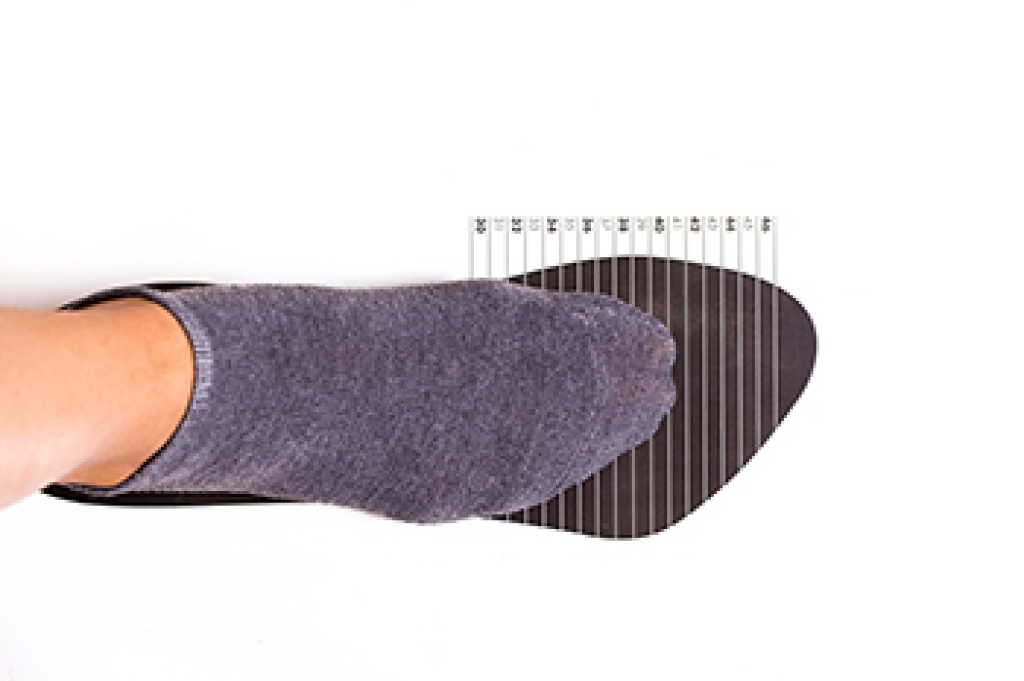
Ensuring a Proper Fit for Shoes and Boots

The key to comfortable footwear lies in getting the right fit. Ill-fitting shoes or boots can lead to a host of issues, including blisters, calluses, and chronic foot problems. To ensure your footwear provides the perfect fit, begin by measuring your feet regularly, as their size can change over time. Always try on both shoes and shop in the afternoon when your feet are slightly larger due to daily activities. Consider the type of socks you will be wearing with your shoes, as this can affect the fit. Pay attention to how the shoes or boots feel, ensuring there is enough space in the toe box, and that your heels do not slip. Walk around in them to test comfort and stability. Lastly, remember that sizes can vary between brands and styles, so rely more on the fit and feel than the size on the label. If you would like additional tips on how to buy shoes that fit properly, it is suggested that you contact a podiatrist who can provide you with the information you are seeking.

Finding a properly-fitting shoe is important in reducing injuries and preventing foot problems. For more information about treatment, contact Queen Mbanuzue, DPM from In Step Podiatry Center. Our doctor will treat your foot and ankle needs.

Proper Shoe Fitting

A common concern when it comes to foot health, having properly fitted shoes can help prevent injuries to the foot. Out feet affect our posture and gait, which in turn affects the biomechanics and overall bodily structure. With 33 joints, 26 bones, and over 100 ligaments, the potential for serious injury is much greater than one realizes. Although the feet cease growth in adulthood, they still change shape as they mature. Here are some factors to consider when it comes to investing in proper fitting shoes:

  • Be sure the shoes fit correctly right away
  • Ensure the ball of your foot fits comfortably in the widest portion of the shoes
  • Even though they may look fashionable, improper fitting shoes can either create adverse conditions or exacerbate existing ones you may already have
  • Walk along a carpeted surface to ensure the shoes comfortably fit during normal activity

Keeping in mind how shoes fit the biomechanics of your body, properly-fitting shoes are vitally important. Fortunately, it is not difficult to acquire footwear that fits correctly. Be sure to wear shoes that support the overall structure of your body. Do your feet a favor and invest in several pairs of well-fitted shoes today.

If you have any questions, please feel free to contact our office located in Lanham, MD . We offer the newest diagnostic and treatment technologies for all your foot care needs.

Read more about How to Get a Proper Shoe Fit

Gout in Young People

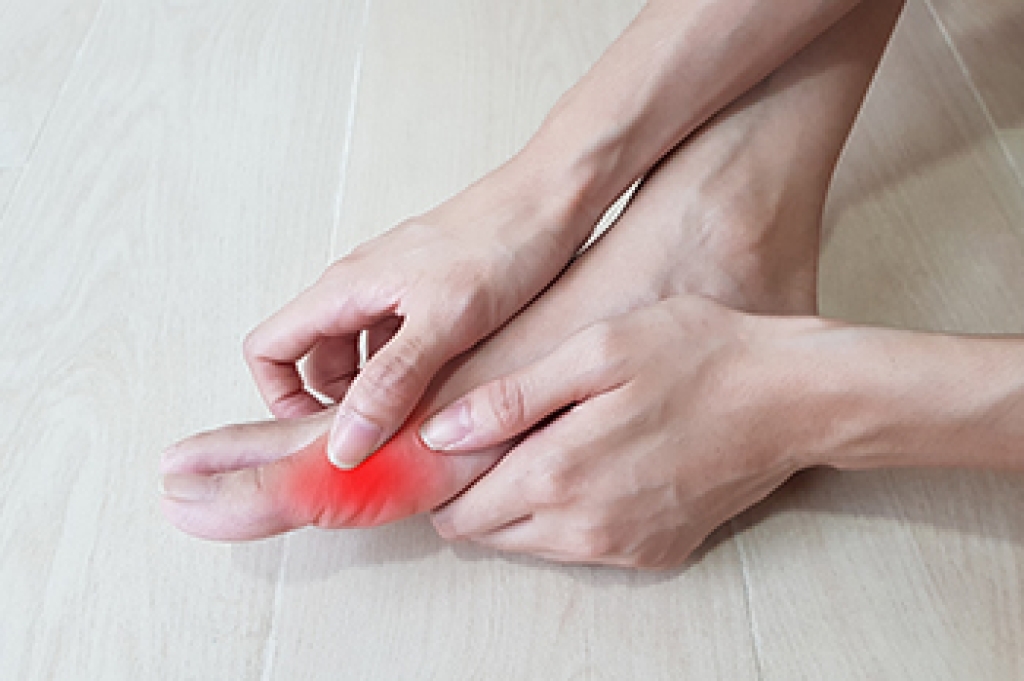
Gout, often associated with older, overweight men who indulge in rich food and excessive alcohol, is increasingly affecting younger individuals. Gout is a form of arthritis caused by the accumulation of uric acid, or urate in the bloodstream. Urate crystals can develop in joints, causing intense and sudden pain, most commonly in the big toe. While gout is more commonly associated with older age, it can affect people of all ages, including young adults and even teenagers. Several factors can increase the risk of developing gout at a younger age, including a family history of gout, consuming a diet high in purine-rich foods, or being overweight. It can also affect people who have certain medical conditions, or who take specific medications. Treatment involves managing acute attacks by taking anti-inflammatory drugs, and urate-lowering medication may be used for long-term prevention. Dietary changes, including avoiding alcohol, may help to prevent gout. If you are a younger person and are experiencing symptoms of gout in your big toe, it is strongly suggested that you make an appointment with a podiatrist who can properly diagnose this condition and provide the correct treatment.

Gout is a foot condition that requires certain treatment and care. If you are seeking treatment, contact Queen Mbanuzue, DPM from In Step Podiatry Center. Our doctor will treat your foot and ankle needs.

What Is Gout?

Gout is a type of arthritis caused by a buildup of uric acid in the bloodstream. It often develops in the foot, especially the big toe area, although it can manifest in other parts of the body as well. Gout can make walking and standing very painful and is especially common in diabetics and the obese.

People typically get gout because of a poor diet. Genetic predisposition is also a factor. The children of parents who have had gout frequently have a chance of developing it themselves.

Gout can easily be identified by redness and inflammation of the big toe and the surrounding areas of the foot. Other symptoms include extreme fatigue, joint pain, and running high fevers. Sometimes corticosteroid drugs can be prescribed to treat gout, but the best way to combat this disease is to get more exercise and eat a better diet.

If you have any questions, please feel free to contact our office located in Lanham, MD . We offer the newest diagnostic and treatment technologies for all your foot care needs.

Read more about Everything You Need to Know About Gout

Wounds That Don't Heal Need to Be Checked

Your feet are covered most of the day. If you're diabetic, periodic screening is important for good health. Numbness is often a sign of diabetic foot and can mask a sore or wound.

Running Shoes That Support Ankles

Studies show that ankle sprains are the most common injury experienced among runners. Additionally, if you have experienced an ankle sprain in the past, you are 75 percent more likely to develop chronic ankle instability. As a result, choosing the right running shoe is of paramount importance to avoid these outcomes. First, opt for shoes with a high-top design or added ankle padding. These features can help stabilize the ankle joint and reduce the risk of sprains and strains during your runs. Additionally, a snug and secure fit around the ankle area, particularly at the heel, is essential. Look for shoes with padded collars and lacing systems that allow you to adjust the tightness to your comfort level. Cushioning is another key factor in finding shoes with adequate ankle support. Shoes with ample cushioning in the heel and midsole provide shock absorption, which helps minimize the impact on the ankles. Further, choose running shoes with a durable outsole that offers excellent traction, ensuring a stable and confident stride. Finally, take into account the type of terrain you typically run on when deciding on the right shoes. For more information on protecting your ankles while running, it is suggested that you make an appointment with a podiatrist.

If you are a runner, wearing the right running shoe is essential. For more information, contact Queen Mbanuzue, DPM from In Step Podiatry Center. Our doctor can provide the care you need to keep you pain-free and on your feet.

Choosing the Right Running Shoe for Your Foot Type

To increase performance and avoid the risk of injury, it is important to choose the right running shoe based on your foot type. The general design of running shoes revolves around pronation, which is how the ankle rolls from outside to inside when the foot strikes the ground.

  • Neutral runners are able to choose from a wide variety of shoes, including minimalist shoes or even going barefoot.
  • Runners who overpronate, or experience an over-abundance of ankle rolling, should choose shoes that provide extra motion control and stability.
  • Runners who underpronate, or supinate, have feet that have high arches and lack flexibility, preventing shock absorption. They require shoes with more flexibility and cushion.

If you have any questions, please feel free to contact our office located in Lanham, MD . We offer the newest diagnostic and treatment technologies for all your foot care needs.
Read more about Choosing the Right Running Shoe for Your Foot Type

Baxter’s Neuritis

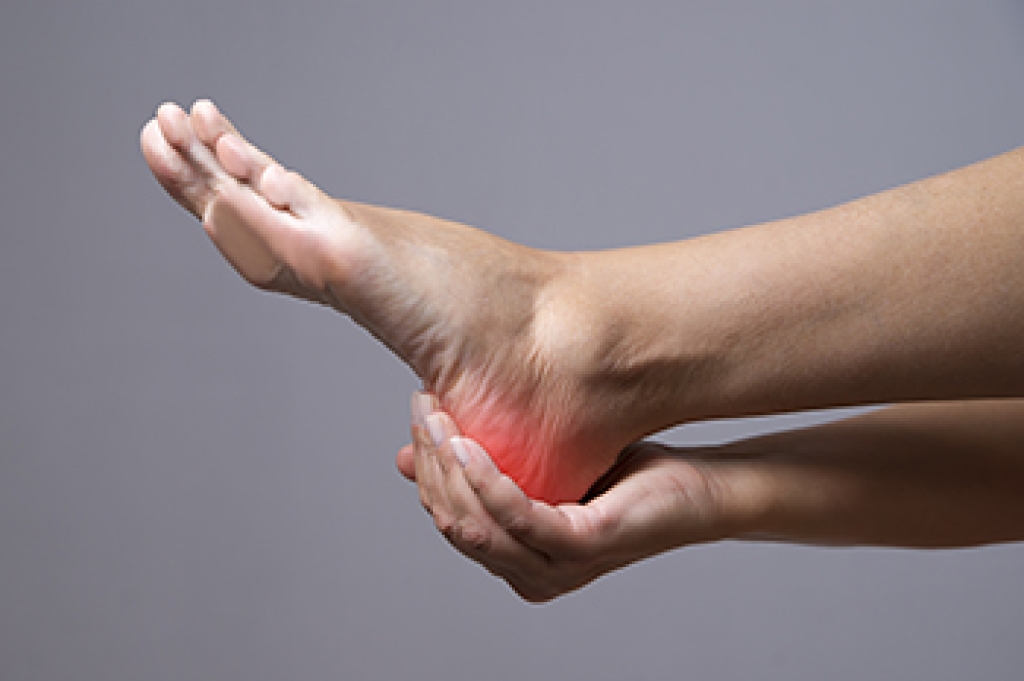
Baxter's nerve entrapment, or Baxter’s neuritis, is a condition where a small nerve, known as the Baxter's nerve or the first branch of the lateral plantar nerve, becomes pinched between two muscles in the inner foot. This can result in sharp, burning pain in the inner heel, often accompanied by numbness, or a pins and needles sensation. It can develop gradually without a specific injury and is not limited by age or gender. It can be challenging to differentiate between Baxter's nerve entrapment and plantar fasciitis because they have similar symptoms. Diagnosis involves a clinical interview, physical testing, and a diagnostic ultrasound scan to confirm the presence of Baxter's nerve entrapment. Treatment typically begins with conservative approaches, including pain management, strengthening exercises, stretches, and orthotics. If conservative treatment does not work, ultrasound guided steroid injections may be considered to reduce inflammation. It is beneficial that these injections are used in conjunction with conservative care to prevent the pain from returning. If you have heel pain, it is suggested that you make an appointment with a podiatrist for a proper diagnosis and treatment.

Many people suffer from bouts of heel pain. For more information, contact Queen Mbanuzue, DPM of In Step Podiatry Center. Our doctor can provide the care you need to keep you pain-free and on your feet.

Causes of Heel Pain

Heel pain is often associated with plantar fasciitis. The plantar fascia is a band of tissues that extends along the bottom of the foot. A rip or tear in this ligament can cause inflammation of the tissue.

Achilles tendonitis is another cause of heel pain. Inflammation of the Achilles tendon will cause pain from fractures and muscle tearing. Lack of flexibility is also another symptom.

Heel spurs are another cause of pain. When the tissues of the plantar fascia undergo a great deal of stress, it can lead to ligament separation from the heel bone, causing heel spurs.

Why Might Heel Pain Occur?

  • Wearing ill-fitting shoes                
  • Wearing non-supportive shoes
  • Weight change           
  • Excessive running

Treatments

Heel pain should be treated as soon as possible for immediate results. Keeping your feet in a stress-free environment will help. If you suffer from Achilles tendonitis or plantar fasciitis, applying ice will reduce the swelling. Stretching before an exercise like running will help the muscles. Using all these tips will help make heel pain a condition of the past.

If you have any questions, please feel free to contact our office located in Lanham, MD . We offer the newest diagnostic and treatment technologies for all your foot care needs.

Read more about Heel Pain

Common Foot and Toe Injuries

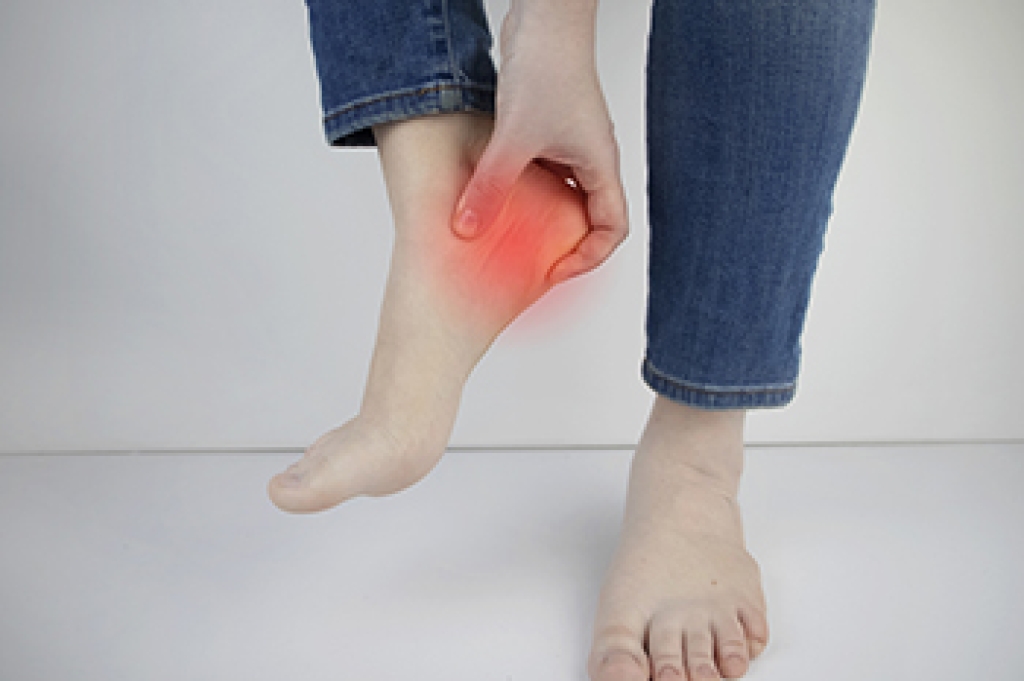
The feet, ankles, and toes are intricate structures that bear the brunt of your daily activities. Unfortunately, injuries in these areas are not uncommon and can be quite painful. Ankle sprains often occur due to missteps or awkward landings, causing ligaments to stretch or tear. Stress fractures in the feet, often seen in runners, result from repetitive impact on the bones. Additionally, Achilles tendonitis can afflict the back of the ankle, causing pain and inflammation. Toes are not exempt, as stubbing or jamming them can lead to fractures or dislocations. Relief may come from getting adequate rest, and using compression and elevation may help to reduce existing swelling. For more severe injuries, seeking medical attention is essential for proper healing and to prevent long-term issues. Wearing proper footwear, performing warm up exercises, and being mindful of your surroundings can also reduce the risk of these injuries, allowing you to keep moving comfortably. If you have injured your foot, toe or ankle, it is strongly suggested that you consult a podiatrist who can effectively treat these types of foot conditions. 

Foot and ankle trauma is common among athletes and the elderly. If you have concerns that you may have experienced trauma to the foot and ankle, consult with Queen Mbanuzue, DPM from In Step Podiatry Center. Our doctor will assess your condition and provide you with quality foot and ankle treatment.

Foot and ankle trauma cover a range of injuries all over the foot; common injuries include:

  • Broken bones
  • Muscle strains
  • Injuries to the tendons and ligaments
  • Stress fractures

Symptoms

Symptoms of foot and ankle injuries vary depending on the injury, but more common ones include:

  • Bruising
  • Inflammation/ Swelling
  • Pain

Diagnosis

To properly diagnose the exact type of injury, podiatrists will conduct a number of different tests. Some of these include sensation and visual tests, X-rays, and MRIs. Medical and family histories will also be taken into account.

Treatment

Once the injury has been diagnosed, the podiatrist can than offer the best treatment options for you. In less severe cases, rest and keeping pressure off the foot may be all that’s necessary. Orthotics, such as a specially made shoes, or immobilization devices, like splints or casts, may be deemed necessary. Finally, if the injury is severe enough, surgery may be necessary.

If you have any questions, please feel free to contact our office located in Lanham, MD . We offer the newest diagnostic and treatment technologies for all your foot care needs.
Read more about Foot and Ankle Fractures

Reducing Plantar Fasciitis Foot Pain

Plantar fasciitis is a common and painful condition that affects the heel and bottom of the foot. It occurs when the plantar fascia, a thick band of tissue that supports the arch of the foot, becomes inflamed or damaged. The pain from plantar fasciitis can be excruciating and debilitating, making simple tasks like walking a challenge. However, there are ways to reduce this pain and improve your quality of life. Included are stretching exercises for the calf muscles and Achilles tendon, custom or over-the-counter orthotic inserts to improve arch support and provide ample cushioning, and avoiding high heels and flip-flops. Other methods to decrease pain from plantar fasciitis are taking anti-inflammatory medications and using night splints to keep the foot in a dorsiflexed position, which helps stretch the plantar fascia during sleep. More advanced measures include corticosteroid injections to reduce inflammation and shockwave therapy, which stimulates healing in the plantar fascia. In rare cases, surgical intervention may be considered. If you are suffering from plantar fasciitis pain, it is suggested that you make an appointment with a podiatrist for treatment options that are right for you.  

Plantar fasciitis can be very painful and inconvenient. If you are experiencing heel pain or symptoms of plantar fasciitis, contact Queen Mbanuzue, DPM  from In Step Podiatry Center. Our doctor can provide the care you need to keep you pain-free and on your feet.

What Is Plantar Fasciitis?

Plantar fasciitis is the inflammation of the thick band of tissue that runs along the bottom of your foot, known as the plantar fascia, and causes mild to severe heel pain.

What Causes Plantar Fasciitis?

  • Excessive running
  • Non-supportive shoes
  • Overpronation
  • Repeated stretching and tearing of the plantar fascia

How Can It Be Treated?

  • Conservative measures – anti-inflammatories, ice packs, stretching exercises, physical therapy, orthotic devices
  • Shockwave therapy – sound waves are sent to the affected area to facilitate healing and are usually used for chronic cases of plantar fasciitis
  • Surgery – usually only used as a last resort when all else fails. The plantar fascia can be surgically detached from the heel

While very treatable, plantar fasciitis is definitely not something that should be ignored. Especially in severe cases, speaking to your doctor right away is highly recommended to avoid complications and severe heel pain. Your podiatrist can work with you to provide the appropriate treatment options tailored to your condition.

If you have any questions, please feel free to contact our office located in Lanham, MD . We offer the newest diagnostic and treatment technologies for all your foot care needs.

Read more about Plantar Fasciitis

Do Your Child's Feet Hurt?

Have your child's feet been examined lately? Healthy feet are happy feet. If your child is complaining of foot pain, it may be a sign of underlying problems.

Causes of Seed Corns

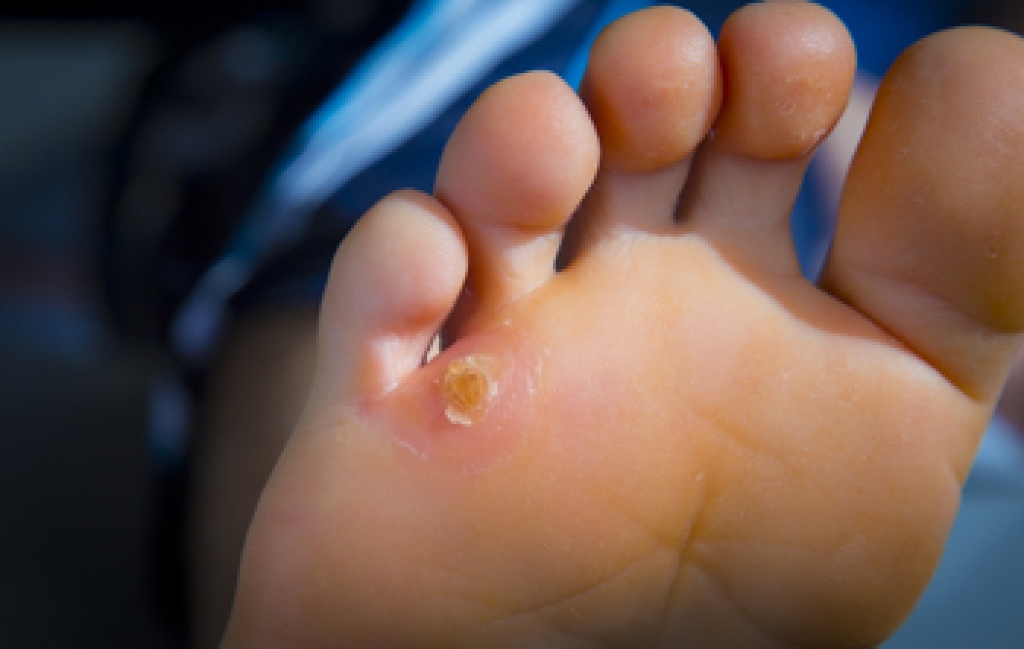
Seed corns, those tiny yet painful annoyances on the feet, may sound inconsequential but can be quite uncomfortable. These small, hardened, and sometimes translucent bumps typically develop on the soles of the feet or in between the toes. They are a form of callus, but unlike the regular calluses that form due to friction or pressure, seed corns have a different origin. The causes of seed corns can vary. They often arise from dry skin, which is more prone to developing these small, central core calluses. Ill-fitting shoes that constantly rub against certain areas of the feet can also be a culprit. Additionally, foot deformities or gait abnormalities can increase pressure on specific spots, leading to seed corn formation. While seed corns may seem minor, they can be quite painful while walking. If you are dealing with these tiny irritations on your feet, it is suggested that you consult a podiatrist who can alleviate the discomfort and prevent them from returning, ensuring your feet remain healthy and pain-free.

Corns can make walking very painful and should be treated immediately. If you have questions regarding your feet and ankles, contact Queen Mbanuzue, DPM of In Step Podiatry Center. Our doctor will treat your foot and ankle needs.

Corns: What Are They? And How Do You Get Rid of Them?
Corns are thickened areas on the skin that can become painful. They are caused by excessive pressure and friction on the skin. Corns press into the deeper layers of the skin and are usually round in shape.

Ways to Prevent Corns
There are many ways to get rid of painful corns such as:

  • Wearing properly fitting shoes that have been measured by a professional
  • Wearing shoes that are not sharply pointed or have high heels
  • Wearing only shoes that offer support

Treating Corns

Although most corns slowly disappear when the friction or pressure stops, this isn’t always the case. Consult with your podiatrist to determine the best treatment option for your case of corns.

If you have any questions, please feel free to contact our office located in Lanham, MD . We offer the newest diagnostic and treatment technologies for all your foot care needs.
Read more about Corns and Calluses

Causes and Symptoms of Ingrown Toenails

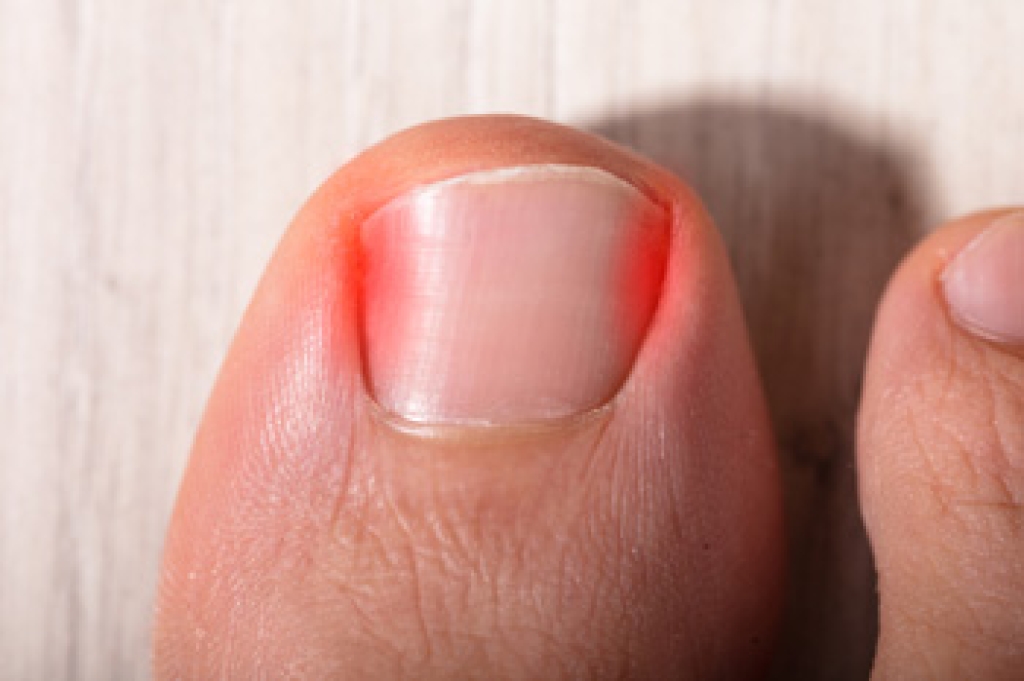
Ingrown toenails can be more than just a nuisance. They can cause considerable discomfort and pain. This common condition occurs when the edge of a toenail grows into the surrounding skin, leading to inflammation. The causes of ingrown toenails can vary, ranging from improper trimming techniques to wearing ill-fitting shoes. Symptoms often include pain, redness, and swelling at the affected site. Additionally, pus or clear fluid may develop if an infection sets in. Certain risk factors heighten the likelihood of developing ingrown toenails, such as genetics, having curved nails, poor foot hygiene, and engaging in activities that put pressure on the toes. Understanding the causes, recognizing the symptoms, and being aware of risk factors can empower individuals to take preventive measures and seek timely treatment for this uncomfortable condition. If you have an ingrown toenail, it is suggested that you consult with a podiatrist who can offer you treatment options that are correct for you.

Ingrown toenails may initially present themselves as a minor discomfort, but they may progress into an infection in the skin without proper treatment. For more information about ingrown toenails, contact Queen Mbanuzue, DPM of In Step Podiatry Center. Our doctor can provide the care you need to keep you pain-free and on your feet.

Ingrown Toenails

Ingrown toenails are caused when the corner or side of a toenail grows into the soft flesh surrounding it. They often result in redness, swelling, pain, and in some cases, infection. This condition typically affects the big toe and may recur if it is not treated properly.

Causes

  • Improper toenail trimming
  • Genetics
  • Improper shoe fitting
  • Injury from pedicures or nail picking
  • Abnormal gait
  • Poor hygiene

You are more likely to develop an ingrown toenail if you are obese, have diabetes, arthritis, or have any fungal infection in your nails. Additionally, people who have foot or toe deformities are at a higher risk of developing an ingrown toenail.

Symptoms

Some symptoms of ingrown toenails are redness, swelling, and pain. In rare cases, there may be a yellowish drainage coming from the nail.

Treatment

Ignoring an ingrown toenail can have serious complications. Infections of the nail border can progress to a deeper soft-tissue infection, which can then turn into a bone infection. You should always speak with your podiatrist if you suspect you have an ingrown toenail, especially if you have diabetes or poor circulation.

If you have any questions, please feel free to contact our office located in Lanham, MD . We offer the newest diagnostic and treatment technologies for all your foot care needs.
Read more about Ingrown Toenails