Working and Wearing the Right Shoes

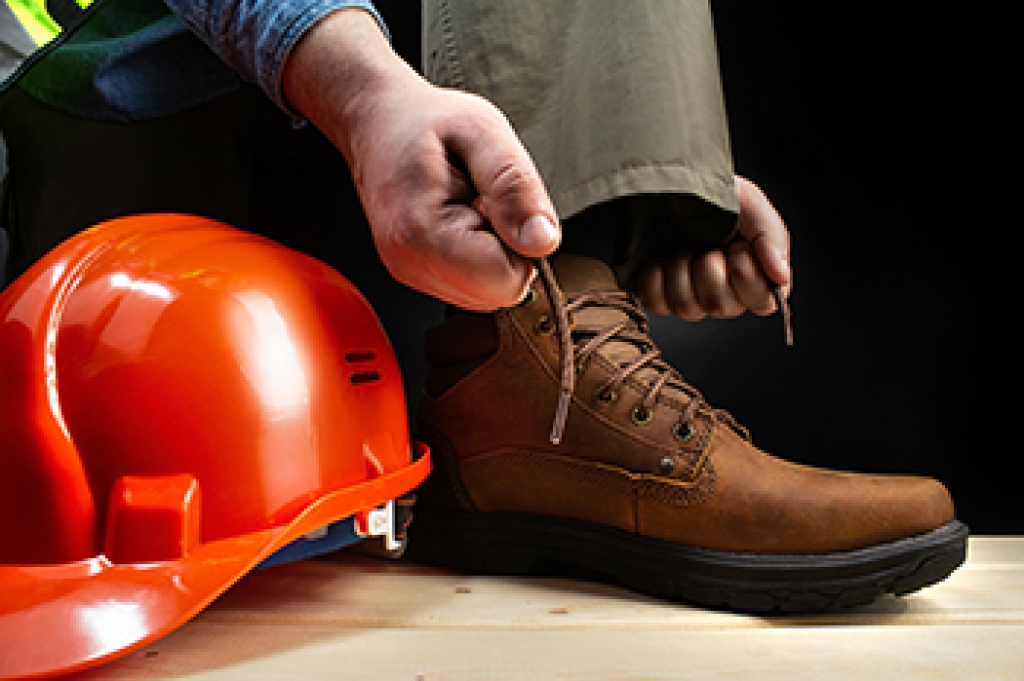
Research has shown that more than half of the population stands while working. Potential health risks may be increased when standing is done for long periods of time. The feet are the foundation of the body, and it is important that they are protected while working. This can consist of wearing shoes that fit correctly and choosing shoes that have a low heel. These types of shoes can be helpful in protecting the hamstrings and back, and may prevent osteoarthritis from developing. Taking frequent breaks will allow movement, which may help to maintain proper circulation. Additionally, shuffling the feet while standing can accomplish the same thing by redistributing body weight. Many sources believe the body’s flexibility and ability to function can improve when strength training exercises are performed. If you would like more information about what type of shoes to buy for your work day, it is suggested that you confer with a podiatrist.

While working on the feet, it is important to take the proper care of them. For more information about working on your feet, contact Queen Mbanuzue, DPM from In Step Podiatry Center. Our doctor will treat your foot and ankle needs.

Working on Your Feet

Standing on your feet for long periods of time can cause stress and pain in your feet. Your whole body may experience change in terms of posture, back pain, bunions, callouses and or plantar warts. There are ways to avoid these conditions with proper foot care, smart choices and correct posture.

Positive Changes

Negative heeled shoe – Choosing this shoe type places the heel slightly lower than the ball of the foot. These are great for overall foot health. Find shoes that fit you correctly.

Go barefoot – Our feet were not designed to be enclosed for all hours of the day. Try to periodically expose your feet to air.

Eliminate Pain

Foot Exercises – Performing simple exercises, incorporating yoga and doing stretches are beneficial. This will allow increased blood flow to the area and muscles of the foot.

Achilles tendon – Stretching the foot out flat on the floor will relax the calf muscles and tendon. These exercises can be performed almost anywhere. Make sure you add these exercises to your daily regimen. 

With a little bit of this information and knowing more about foot health, you will notice changes. Foot stretches and proper footwear will help with pain and prevent further issues.

If you have any questions please contact our office located in Lanham, MD . We offer the newest diagnostic and treatment technologies for all your foot and ankle needs.
Read more about Working on Your Feet

Causes and Symptoms of Hammertoe

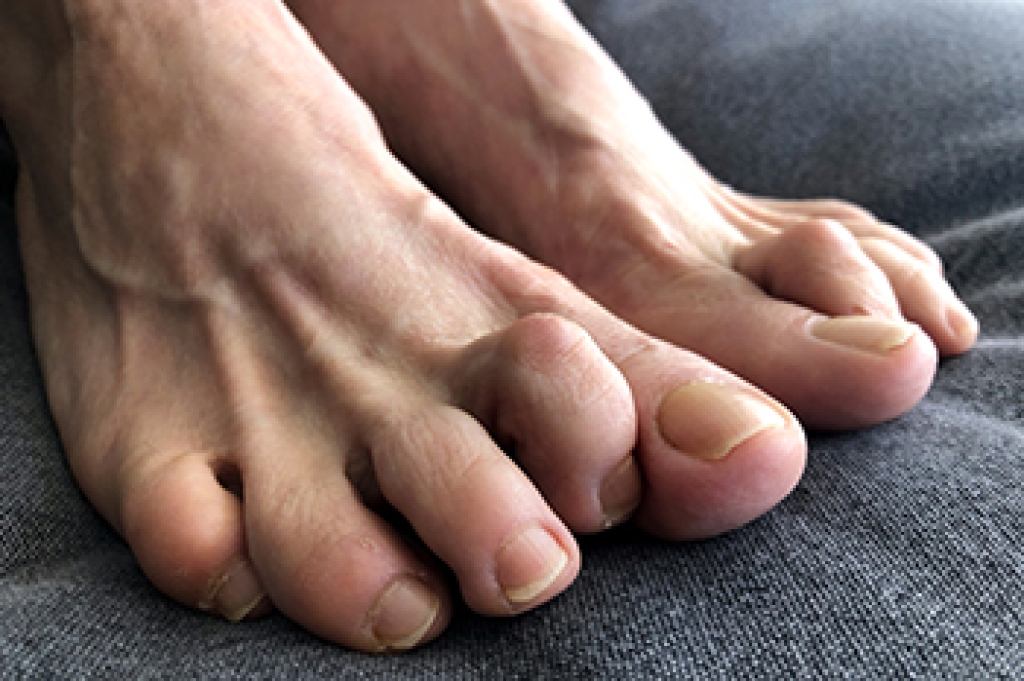
A hammertoe is typically found in the second and third toe and is characterized by a raised joint in the middle of the toe. The tip of the toe curls under the foot as the middle joint raises up. In the early stages, the hammertoe may still be flexible, but later on, it may become rigid. This deformity can be caused by the long-term wearing of high heels, which often have a small and pointed-toe box. Hammertoe also can be congenital or caused by arthritis. Symptoms of a hammertoe are curling toes, raised joints, callus formation under the affected toe, and pain on the affected joint from rubbing against the top of a shoe. Wearing shoes that fit properly is one way of decreasing the development of hammertoe because once it is formed it is likely to become permanent. Avoid wearing shoes that squeeze the toes together, especially those that force the weight of the body onto the ball of the foot. Treatment for hammertoe varies, depending on the severity of the deformity. Treatment can range from wearing protective pads or strapping down the toe, to surgery on the joint and removal of bone. For more information on dealing with a hammertoe and its side effects, it is suggested that you consult with a podiatrist.

Hammertoe

Hammertoes can be a painful condition to live with. For more information, contact Queen Mbanuzue, DPM from In Step Podiatry Center. Our doctor will answer any of your foot- and ankle-related questions.

Hammertoe is a foot deformity that affects the joints of the second, third, fourth, or fifth toes of your feet. It is a painful foot condition in which these toes curl and arch up, which can often lead to pain when wearing footwear.

Symptoms

  • Pain in the affected toes
  • Development of corns or calluses due to friction
  • Inflammation
  • Redness
  • Contracture of the toes

Causes

Genetics – People who are genetically predisposed to hammertoe are often more susceptible

Arthritis – Because arthritis affects the joints in your toes, further deformities stemming from arthritis can occur

Trauma – Direct trauma to the toes could potentially lead to hammertoe

Ill-fitting shoes – Undue pressure on the front of the toes from ill-fitting shoes can potentially lead to the development of hammertoe

Treatment

Orthotics – Custom made inserts can be used to help relieve pressure placed on the toes and therefore relieve some of the pain associated with it

Medications – Oral medications such as anti-inflammatories or NSAIDs could be used to treat the pain and inflammation hammertoes causes. Injections of corticosteroids are also sometimes used

Surgery – In more severe cases where the hammertoes have become more rigid, foot surgery is a potential option

If you have any questions, please feel free to contact our office located in Lanham, MD . We offer the newest diagnostic and treatment technologies for all your foot care needs.

Read more about Hammertoe

Cracked Heel Infections

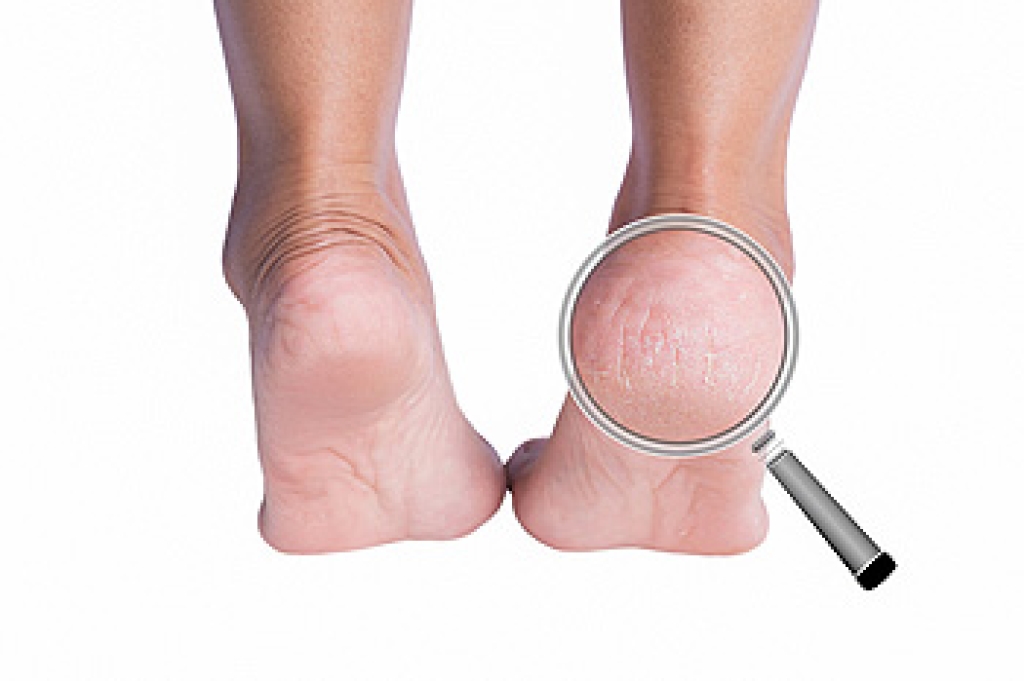
If you are someone that is prone to cracked heels, then you ought to be especially aware of the possibility of developing an infection because of this condition. Cracked heels occur when the skin covering the heel becomes severely dehydrated and fissures begin to form on the skin. As a result of these fissures, the skin might even start to bleed. Infections are an important risk to be aware of if you have cracked heels. Specifically, if an individual removes skin on the heels through a process known as debridement, an infection might occur. For example, if too much skin is removed with a razor, then the individual might be setting themselves up for a nasty infection. If you have cracked heels, it is suggested that you see a podiatrist promptly. This medical professional will be able to help you treat your condition and answer any questions you might have. 

If the skin on your feet starts to crack, you may want to see a podiatrist to find treatment. If you have any concerns, contact Queen Mbanuzue, DPM from In Step Podiatry Center. Our doctor can provide the care you need to keep you pain-free and on your feet.

Cracked Heels

It is important to moisturize your cracked heels in order to prevent pain, bleeding, and infection. The reason cracked heels form is because the skin on the foot is too dry to support the immense pressure placed on them. When the foot expands, the dry skin on the foot begins to split.

Ways to Help Heal Them

  • Invest in a good foot cream
  • Try Using Petroleum Jelly
  • Ease up on Soaps
  • Drink Plenty of Water

Ways to Prevent Cracked Heels

  • Moisturize After Showering
  • Skip a Shower
  • Keep Shower Water Lukewarm
  • Don’t Scrub Your Feet

If you are unsure how to proceed in treating cracked heels, seek guidance from a podiatrist. Your doctor will help you with any questions or information you may need. 

If you have any questions, please feel free to contact our office located in Lanham, MD . We offer the newest diagnostic and treatment technologies for all your foot care needs.

Read more about Solutions for Cracked Heels

Mild and Severe Fractures Can Require Different Treatments

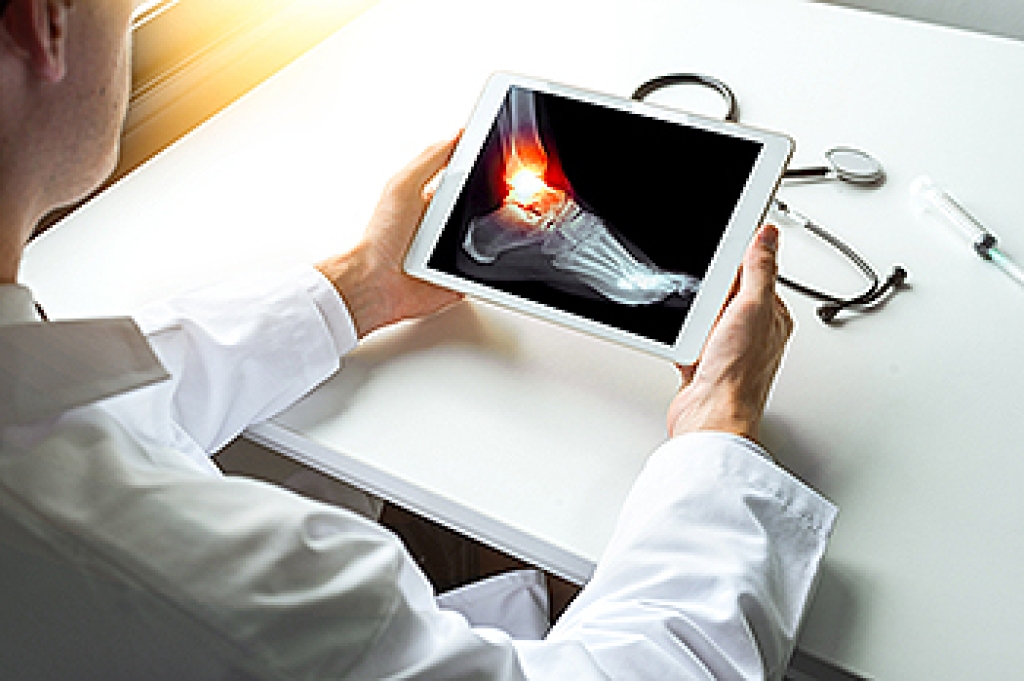
A car accident, a sporting mishap, or a fall are the leading causes of broken ankles. They can range from severe to a hairline fracture, and they can require different forms of treatment. Most people who have broken their ankle often get an X-ray. This is generally successful in determining how severe the fracture is and deciding the type of treatment that will work. Wearing a boot or cast is a common form of treatment for mild breaks, and more severe breaks may require surgery for proper healing. Many broken ankles can bruise and swell, and frequently elevating the foot may reduce these symptoms. The toes may become stiff, and wiggling them may help them to feel better. Crutches may be used to walk and complete daily tasks while taking the weight off of the feet. If you have fallen and have ankle pain, please consult with a podiatrist who can properly diagnose and offer you the treatment option that is best for you.

Broken ankles need immediate treatment. If you are seeking treatment, contact Queen Mbanuzue, DPM from In Step Podiatry Center. Our doctor can provide the care you need to keep you pain-free and on your feet. 

Broken Ankles
A broken ankle is experienced when a person fractures their tibia or fibula in the lower leg and ankle area. Both of these bones are attached at the bottom of the leg and combine to form what we know to be our ankle.

When a physician is referring to a break of the ankle, he or she is usually referring to a break in the area where the tibia and fibula are joined to create our ankle joint. Ankles are more prone to fractures because the ankle is an area that suffers a lot of pressure and stress. There are some obvious signs when a person experiences a fractured ankle, and the following symptoms may be present.

Symptoms of a Fractured Ankle

  • Excessive pain when the area is touched or when any pressure is placed on the ankle
  • Swelling around the area
  • Bruising of the area
  • Area appears to be deformed

If you suspect an ankle fracture, it is recommended to seek treatment as soon as possible. The sooner you have your podiatrist diagnose the fracture, the quicker you’ll be on the way towards recovery.

If you have any questions, please feel free to contact our office located in Lanham, MD . We offer the newest diagnostic and treatment technologies for all your foot care needs.

Read more about All About Broken Ankles

Plantar Warts Can Be Treated!

Plantar warts are small growths that develop on parts of the feet that bear weight. They're typically found on the bottom of the foot. Don't live with plantar warts, and call us today!