
Foot Conditions During Pregnancy

Pregnancy can bring forth several foot conditions that impact comfort and mobility. As weight naturally increases, the arch of the foot may flatten, leading to overpronation and strain on the plantar fascia, potentially causing plantar fasciitis. This condition causes pain along the bottom of the foot, particularly near the heel, worsened by standing or walking for extended periods. Hormonal changes during pregnancy contribute to ligament laxity, further destabilizing the foot's structure and increasing the risk of injuries. To alleviate discomfort, wearing supportive footwear with cushioning and arch support is essential. Regular stretching exercises targeting the calves and plantar fascia help maintain flexibility and reduce tension. Managing weight gain through appropriate exercise and a balanced diet can also ease the strain on the feet. If you have persistent foot pain during your pregnancy, it is suggested that you consult a podiatrist who can offer you effective relief options.

Pregnant women with swollen feet can be treated with a variety of different methods that are readily available. For more information about other cures for swollen feet during pregnancy, consult with Queen Mbanuzue, DPM from In Step Podiatry Center. Our doctor will attend to all of your foot and ankle needs.

What Foot Problems Can Arise During Pregnancy?

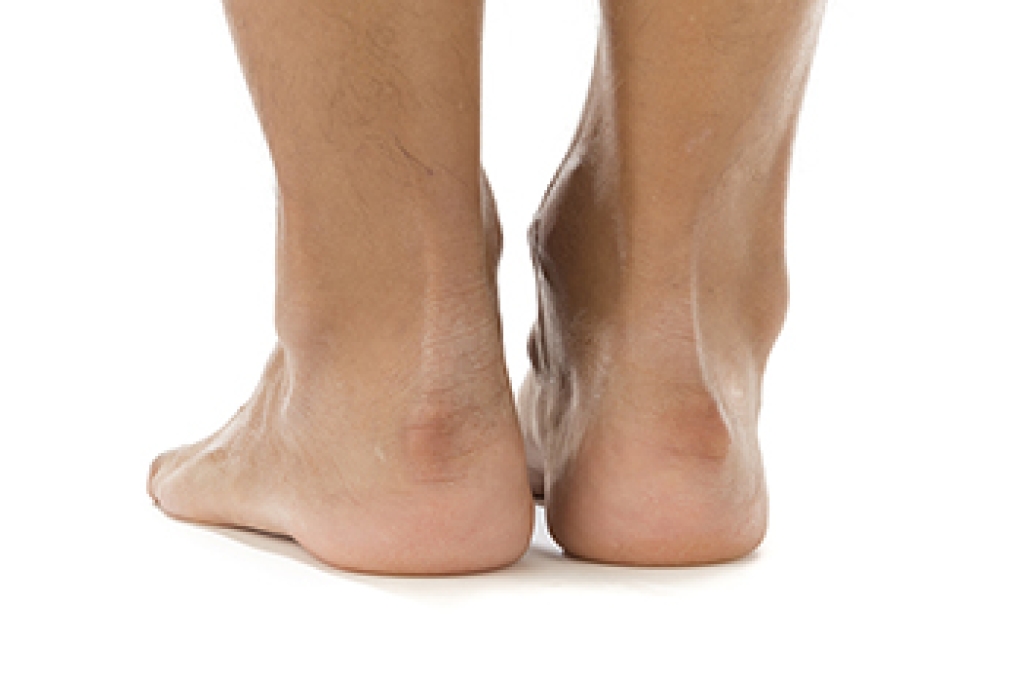
One problem that can occur is overpronation, which occurs when the arch of the foot flattens and tends to roll inward.  This can cause pain and discomfort in your heels while you’re walking or even just standing up, trying to support your baby.  

Another problem is edema, or swelling in the extremities. This often affects the feet during pregnancy but tends to occur in the later stages. 

How Can I Keep My Feet Healthy During Pregnancy?

  • Wearing orthotics can provide extra support for the feet and help distribute weight evenly
  • Minimize the amount of time spent walking barefoot
  • Wear shoes with good arch support
  • Wear shoes that allow for good circulation to the feet
  • Elevate feet if you experience swelling
  • Massage your feet
  • Get regular, light exercise, such as walking, to promote blood circulation to the feet

If you have any questions, please feel free to contact our office located in Lanham, MD . We offer the newest diagnostic and treatment technologies for all your foot care needs.
Read more about Foot Care for Pregnant Women

Stretches Can Help the Feet

Standing for prolonged periods of time can cause aches and pains in your feet and lower limbs. In addition to wearing comfortable shoes and taking breaks to sit and walk around, one other way that you can prevent or relieve pain is to stretch. A lunging calf stretch can help prevent cramping in the calf muscles, plantar fasciitis, and other foot problems. It can also promote circulation. To do this stretch, stand one step away from a wall and place both palms flat against it. Step your left foot back and bend your right knee into a lunge. Keep your toes pointing forward and slowly push your left heel toward the ground until you feel a stretch in your calf. Hold and then repeat on the opposite foot. To learn more about the benefits of stretching your feet, it’s suggested that you consult with a podiatrist. 

Stretching the feet is a great way to prevent injuries. If you have any concerns with your feet consult with Queen Mbanuzue, DPM from In Step Podiatry Center. Our doctor will assess your condition and provide you with quality foot and ankle treatment.

Stretching the Feet

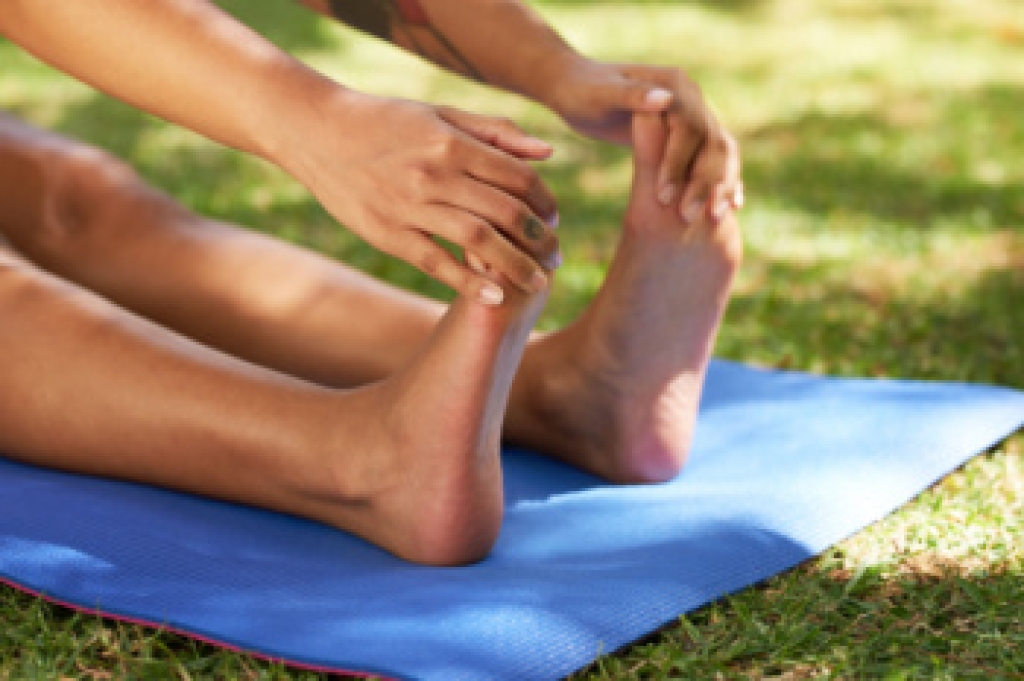
Stretching the muscles in the foot is an important part in any physical activity. Feet that are tight can lead to less flexibility and make you more prone to injury. One of the most common forms of foot pain, plantar fasciitis, can be stretched out to help ease the pain. Stretching can not only ease pain from plantar fasciitis but also prevent it as well. However, it is important to see a podiatrist first if stretching is right for you. Podiatrists can also recommend other ways to stretch your feet. Once you know whether stretching is right for you, here are some excellent stretches you can do.

  • Using a foam roller or any cylindrical object (a water bottle or soda can will do), roll the object under your foot back and forth. You should also exert pressure on the object. Be sure to do this to both feet for a minute. Do this exercise three times each.
  • Similar to the previous one, take a ball, such as a tennis ball, and roll it under your foot while seated and exert pressure on it.
  • Grab a resistance band or towel and take a seat. If you are using a towel, fold it length wise. Next put either one between the ball of your foot and heel and pull with both hands on each side towards you. Hold this for 15 seconds and then switch feet. Do this three times for each foot.
  • Finally hold your big toe while crossing one leg over the other. Pull the toe towards you and hold for 15 seconds. Once again do this three times per foot.

It is best to go easy when first stretching your foot and work your way up. If your foot starts hurting, stop exercising and ice and rest the foot. It is advised to then see a podiatrist for help.

If you have any questions please contact our office located in Lanham, MD . We offer the newest diagnostic and treatment technologies for all your foot and ankle needs.

Read more about How to Stretch Your Feet

Types and Causes of Foot Deformities

The human foot is a complex structure of bones, joints, muscles, tendons, and ligaments. It carries the body’s weight and enables upright walking, providing stability and flexibility. However, foot deformities can arise from various factors such as external pressures, certain foot postures, or underlying medical conditions. While some deformities are present at birth, others develop over time and can lead to significant discomfort and mobility issues. Splayfoot occurs when the metatarsal bones spread out, which causes the front of the foot to widen and can lead to pain and calluses. Fallen arches, or flat feet, result in the entire sole touching the ground due to weak foot muscles or wearing unsuitable footwear and causing long-term discomfort. Pronated feet, where the heel leans inward, often develop in overweight individuals or those with knock-knees. This may also lead to pain in the knees, hips, and back. High-arched feet place excessive pressure on the ball of the foot, increasing the risk of ankle injuries. If you are experiencing pain resulting from a foot deformity, it is suggested that you schedule an appointment with a podiatrist for an exam, diagnosis, and treatment options.


If you have any concerns about your feet, contact Queen Mbanuzue, DPM from In Step Podiatry Center. Our doctor can provide the care you need to keep you pain-free and on your feet.

Biomechanics in Podiatry

Podiatric biomechanics is a particular sector of specialty podiatry with licensed practitioners who are trained to diagnose and treat conditions affecting the foot, ankle and lower leg. Biomechanics deals with the forces that act against the body, causing an interference with the biological structures. It focuses on the movement of the ankle, the foot and the forces that interact with them.

A History of Biomechanics

  • Biomechanics dates back to the BC era in Egypt where evidence of professional foot care has been recorded.
  • In 1974, biomechanics gained a higher profile from the studies of Merton Root, who claimed that by changing or controlling the forces between the ankle and the foot, corrections or conditions could be implemented to gain strength and coordination in the area.

Modern technological improvements are based on past theories and therapeutic processes that provide a better understanding of podiatric concepts for biomechanics. Computers can provide accurate information about the forces and patterns of the feet and lower legs.

Understanding biomechanics of the feet can help improve and eliminate pain, stopping further stress to the foot.

If you have any questions please feel free to contact our office located in Lanham, MD . We offer the newest diagnostic and treatment technologies for all your foot and ankle needs.

Read more about The Importance of Biomechanics in Podiatry

Causes and Treatment of Plantar Fasciitis

Plantar fasciitis, or inflammation of the plantar fascia, often leads to heel pain. This condition affects approximately 10 percent of the population at some point, with a higher prevalence in women and individuals between 40 and 60 years old. The plantar fascia is a thick band of tissue that runs from the heel to the toes. It supports the foot's arch and absorbs shock. Plantar fasciitis is considered an overuse injury. It is caused by standing for long periods, engaging in high-impact sports, or wearing poorly supportive shoes. These actions can cause microtears in the tissue, resulting in inflammation and pain. Key treatment strategies include resting the feet, avoiding activities that contribute to the pain, and taking pain relievers. Stretching exercises for the calf muscles and plantar fascia, often recommended by a podiatrist, can enhance recovery by improving strength and flexibility. Custom orthotic inserts may also provide additional support and comfort. If you are experiencing heel pain, it is suggested that you schedule an appointment with a podiatrist for an exam and treatment options.

Plantar fasciitis is a common foot condition that is often caused by a strain injury. If you are experiencing heel pain or symptoms of plantar fasciitis, contact Queen Mbanuzue, DPM from In Step Podiatry Center. Our doctor can provide the care you need to keep you pain-free and on your feet.

What Is Plantar Fasciitis?

Plantar fasciitis is one of the most common causes of heel pain. The plantar fascia is a ligament that connects your heel to the front of your foot. When this ligament becomes inflamed, plantar fasciitis is the result. If you have plantar fasciitis you will have a stabbing pain that usually occurs with your first steps in the morning. As the day progresses and you walk around more, this pain will start to disappear, but it will return after long periods of standing or sitting.

What Causes Plantar Fasciitis?

  • Excessive running
  • Having high arches in your feet
  • Other foot issues such as flat feet
  • Pregnancy (due to the sudden weight gain)
  • Being on your feet very often

There are some risk factors that may make you more likely to develop plantar fasciitis compared to others. The condition most commonly affects adults between the ages of 40 and 60. It also tends to affect people who are obese because the extra pounds result in extra stress being placed on the plantar fascia.

Prevention

  • Take good care of your feet – Wear shoes that have good arch support and heel cushioning.
  • Maintain a healthy weight
  • If you are a runner, alternate running with other sports that won’t cause heel pain

There are a variety of treatment options available for plantar fasciitis along with the pain that accompanies it. Additionally, physical therapy is a very important component in the treatment process. It is important that you meet with your podiatrist to determine which treatment option is best for you.

If you have any questions, please feel free to contact our office located in Lanham, MD . We offer the newest diagnostic and treatment technologies for all your foot care needs.

 

Read more about Plantar Fasciitis

Are You Suffering From Nerve Damage?

Neuropathy is a condition that can lead to numbness or loss of sensation in the feet, but it can also cause pain. This condition is more likely to develop for those who are diabetic, obese, or with high blood pressure.