
Treating Sesamoiditis

Sesamoiditis is a potentially uncomfortable and painful condition that can threaten the health and vitality of your feet. The condition occurs when the two bones under the big toe joint, known as the sesamoid bones, become inflamed and irritated. This inflammation can occur in response to an injury or chronic causes. If you have sesamoiditis, you can experience a number of different symptoms. Most likely, you will experience pain when conducting weight-bearing activities or when applying pressure to the sesamoid bones. This condition can be painful and irritating, but there are several steps that you can take to mitigate its effects. Firstly, you can wear custom-made orthotics, or shoe inserts, that help you walk without putting pressure on the sesamoid bones. Altering your footwear may also help in reducing pain if you can find a pair of shoes that reduces the amount of pressure you exert on your big toe. In treating your sesamoiditis, you might also try to alter your daily routine to eliminate activities that put excess pressure on the feet and the sesamoid bones. If none of these or other treatments seem to reduce the pain felt from sesamoiditis, a surgical procedure may help provide the needed relief. If you believe that you might have sesamoiditis, it is always best to consult a podiatrist who will be able to properly diagnose your problem and propose a treatment plan.

Sesamoiditis is an unpleasant foot condition characterized by pain in the balls of the feet. If you think you’re struggling with sesamoiditis, contact Queen Mbanuzue, DPM of In Step Podiatry Center. Our doctor will treat your condition thoroughly and effectively.

Sesamoiditis

Sesamoiditis is a condition of the foot that affects the ball of the foot. It is more common in younger people than it is in older people. It can also occur with people who have begun a new exercise program, since their bodies are adjusting to the new physical regimen. Pain may also be caused by the inflammation of tendons surrounding the bones. It is important to seek treatment in its early stages because if you ignore the pain, this condition can lead to more serious problems such as severe irritation and bone fractures.

Causes of Sesamoiditis

  • Sudden increase in activity
  • Increase in physically strenuous movement without a proper warm up or build up
  • Foot structure: those who have smaller, bonier feet or those with a high arch may be more susceptible

Treatment for sesamoiditis is non-invasive and simple. Doctors may recommend a strict rest period where the patient forgoes most physical activity. This will help give the patient time to heal their feet through limited activity. For serious cases, it is best to speak with your doctor to determine a treatment option that will help your specific needs.

If you have any questions, please feel free to contact our office located in Lanham, MD . We offer the newest diagnostic and treatment technologies for all your foot care needs.


Read more about Sesamoiditis

We Can Treat Your Foot or Ankle Pain

Foot or ankle pain can negatively affect your day-to-day life and can occur due to several different conditions. Pain can also be an indicator of a more serious underlying condition, which is why you should seek professional help as soon as you notice any abnormalities in your feet.

There Are Two Arches in the Foot

The arch contributes to making the human foot stiff. Medical research has indicated there are two arches,the MLA (medial longitudinal arch) and the TTA (transverse tarsal arch). The middle of the foot contains the TTA, and covers the width of the foot. The TTA plays a more significant role in how stiff the foot is. The MLA runs on the inside of the foot from the heel to the toes. Each foot is made up of 26-28 bones, and together they account for nearly a quarter of the bones in the body. The plantar fascia is found within the MLA, and is responsible for 25 percent of foot stiffness. There is a test that is performed on cadaveric feet, known as the three-point bending test. This involves cutting the tissue between the long bones of the feet, known as the metatarsals. When the tissue is severed, the stiffness in the foot is reduced by half. Patients who are interested in learning more about the arch and foot structure may wish to speak with a podiatrist for more information.

If you have any concerns about your feet, contact Queen Mbanuzue, DPM from In Step Podiatry Center. Our doctor can provide the care you need to keep you pain-free and on your feet.

Biomechanics in Podiatry

Podiatric biomechanics is a particular sector of specialty podiatry with licensed practitioners who are trained to diagnose and treat conditions affecting the foot, ankle and lower leg. Biomechanics deals with the forces that act against the body, causing an interference with the biological structures. It focuses on the movement of the ankle, the foot and the forces that interact with them.

A History of Biomechanics

  • Biomechanics dates back to the BC era in Egypt where evidence of professional foot care has been recorded.
  • In 1974, biomechanics gained a higher profile from the studies of Merton Root, who claimed that by changing or controlling the forces between the ankle and the foot, corrections or conditions could be implemented to gain strength and coordination in the area.

Modern technological improvements are based on past theories and therapeutic processes that provide a better understanding of podiatric concepts for biomechanics. Computers can provide accurate information about the forces and patterns of the feet and lower legs.

Understanding biomechanics of the feet can help improve and eliminate pain, stopping further stress to the foot.

If you have any questions please feel free to contact our office located in Lanham, MD . We offer the newest diagnostic and treatment technologies for all your foot and ankle needs.

Read more about The Importance of Biomechanics in Podiatry

Plantar Fasciitis in Dancers

Although almost anyone can develop plantar fasciitis, some individuals are at a greater risk of exhibiting this foot ailment. One such higher risk group includes dancers. Plantar fasciitis is a foot condition that causes heel pain. It is caused by the inflammation of the plantar fascia that runs from the toes to the heel. Those suffering from plantar fasciitis typically experience sharp pain in the heel, tight Achilles tendons, and pronounced pain when beginning to walk after extended periods of rest. Dancers can be at a higher risk of experiencing plantar fasciitis because they engage in large amounts of physical activity wearing high heels and often exert themselves without taking adequate breaks. If dancers do not properly stretch their feet before dancing, they are more susceptible to developing plantar fasciitis. There are a number of steps that dancers can take to reduce their chances of experiencing plantar fasciitis. Namely, dancers can focus on stretching the Achilles tendon before and after dancing. Dancers might opt for the runner’s stretch, heel drops, or the downward facing dog. If you are a dancer, you might want to be proactive in protecting the health of your feet by consulting a podiatrist. 

Plantar fasciitis is a common foot condition that is often caused by a strain injury. If you are experiencing heel pain or symptoms of plantar fasciitis, contact Queen Mbanuzue, DPM from In Step Podiatry Center. Our doctor can provide the care you need to keep you pain-free and on your feet.

What Is Plantar Fasciitis?

Plantar fasciitis is one of the most common causes of heel pain. The plantar fascia is a ligament that connects your heel to the front of your foot. When this ligament becomes inflamed, plantar fasciitis is the result. If you have plantar fasciitis you will have a stabbing pain that usually occurs with your first steps in the morning. As the day progresses and you walk around more, this pain will start to disappear, but it will return after long periods of standing or sitting.

What Causes Plantar Fasciitis?

  • Excessive running
  • Having high arches in your feet
  • Other foot issues such as flat feet
  • Pregnancy (due to the sudden weight gain)
  • Being on your feet very often

There are some risk factors that may make you more likely to develop plantar fasciitis compared to others. The condition most commonly affects adults between the ages of 40 and 60. It also tends to affect people who are obese because the extra pounds result in extra stress being placed on the plantar fascia.

Prevention

  • Take good care of your feet – Wear shoes that have good arch support and heel cushioning.
  • Maintain a healthy weight
  • If you are a runner, alternate running with other sports that won’t cause heel pain

There are a variety of treatment options available for plantar fasciitis along with the pain that accompanies it. Additionally, physical therapy is a very important component in the treatment process. It is important that you meet with your podiatrist to determine which treatment option is best for you.

If you have any questions, please feel free to contact our office located in Lanham, MD . We offer the newest diagnostic and treatment technologies for all your foot care needs.

 

Read more about Plantar Fasciitis

Dealing With Running Injuries

Running is generally thought to be good for overall physical fitness, especially as it applies to cardiovascular health. It also leaves the runner open to several injuries, including plantar fasciitis, bruised heel, and a stress fracture of the heel bone. Other common foot problems associated with running are bunions, ingrown toenails, blisters, and metatarsal stress fractures. These foot conditions can further contribute to pain and discomfort in other body parts like the ankles, legs, knees, and back. Dealing with injuries from running becomes part of a runner’s life and paying attention to your feet is paramount in maintaining a healthy body. Establishing an ongoing relationship with a podiatrist is a wise choice for anyone who intends to make running a part of their life. Signs that it may be time to make an appointment include severe pain when walking, apparent swelling or bruising, and a feeling of numbness or tingling. A podiatrist can examine your feet to determine the cause of your symptoms and offer appropriate treatment plans.

Ankle and foot injuries are common among athletes and in many sports. They can be caused by several problems and may be potentially serious. If you are feeling pain or think you were injured in a sporting event or when exercising, consult with Queen Mbanuzue, DPM from In Step Podiatry Center. Our doctor will assess your condition and provide you with quality foot and ankle treatment.

Common Injuries

The most common injuries that occur in sporting activities include:

  • Achilles Tendonitis
  • Achilles Tendon Rupture
  • Ankle Sprains
  • Broken Foot
  • Plantar Fasciitis
  • Stress Fractures
  • Turf Toe

Symptoms

Symptoms vary depending upon the injury and in some cases, there may be no symptoms at all. However, in most cases, some form of symptom is experienced. Pain, aching, burning, bruising, tenderness, tightness or stiffness, sensation loss, difficulty moving, and swelling are the most common symptoms.

Treatment

Just as symptoms vary depending upon the injury, so do treatment options. A common treatment method is known as the RICE method. This method involves rest, applying ice, compression and elevating the afflicted foot or ankle. If the injury appears to be more serious, surgery might be required, such as arthroscopic or reconstructive surgery. Lastly, rehabilitation or therapy might be needed to gain full functionality in the afflicted area. Any discomfort experienced by an athlete must be evaluated by a licensed, reputable medical professional.  

If you have any questions please contact our office located in Lanham, MD . We offer the newest diagnostic and treatment technologies for all your foot and ankle needs.

Read more about Sports Related Foot and Ankle Injuries

Dealing With Plantar Warts

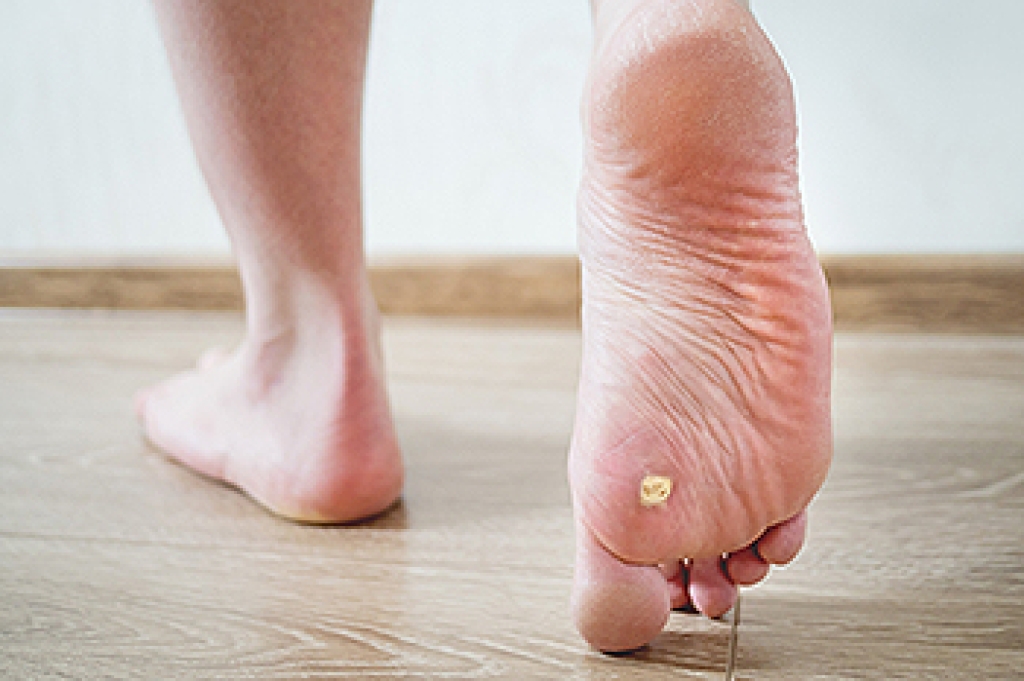
If you notice a flat hardened callus on the bottom of your foot with tiny black spots showing beneath the skin, you may have a plantar wart. The area might be tender, but try not to touch it. This growth may be caused by the human papillomavirus (HPV), which is highly contagious and can enter your body through cuts or sores. The most common places to come into contact with HPV are swimming pools, locker rooms, and bathroom floors, all areas in which you are more likely to walk barefooted. Generally speaking, plantar warts are not dangerous, but they do spread rapidly. The most effective preventative method is to wear foot coverings in places where the virus thrives. If plantar warts become a common occurrence, refuse to go away on their own, or inhibit your ability to walk, it is a good idea to visit a podiatrist for guidance and a range of treatment options.

Plantar warts can be very uncomfortable. If you need your feet checked, contact Queen Mbanuzue, DPM from In Step Podiatry Center. Our doctor will assist you with all of your foot and ankle needs.

About Plantar Warts

Plantar warts are the result of HPV, or human papillomavirus, getting into open wounds on the feet. They are mostly found on the heels or balls of the feet.

While plantar warts are generally harmless, those experiencing excessive pain or those suffering from diabetes or a compromised immune system require immediate medical care. Plantar warts are easily diagnosed, usually through scraping off a bit of rough skin or by getting a biopsy.

Symptoms

  • Lesions on the bottom of your feet, usually rough and grainy
  • Hard or thick callused spots
  • Wart seeds, which are small clotted blood vessels that look like little black spots
  • Pain, discomfort, or tenderness of your feet when walking or standing

Treatment

  • Freezing
  • Electric tool removal
  • Laser Treatment
  • Topical Creams (prescription only)
  • Over-the-counter medications

To help prevent developing plantar warts, avoid walking barefoot over abrasive surfaces that can cause cuts or wounds for HPV to get into. Avoiding direct contact with other warts, as well as not picking or rubbing existing warts, can help prevent the further spread of plantar warts. However, if you think you have developed plantar warts, speak to your podiatrist. He or she can diagnose the warts on your feet and recommend the appropriate treatment options.

If you have any questions, please feel free to contact our office located in Lanham, MD . We offer the newest diagnostic and treatment technologies for all your foot care needs.

Read more about Plantar Warts

Why Is the Top of My Foot in Pain?

A variety of conditions may be responsible for causing pain in the top of your foot. You may have damaged soft tissue structures or even injured a bone. Symptoms may provide some clues as to the root of your foot pain. Severe, sudden pain may be due to a stress fracture of one or more of the bones of the foot, such as the metatarsals. If the pain worsens with activity, you may have extensor tendonitis. This occurs when the tendons on top of the foot that help you lift the toes become inflamed, due to wearing tight shoes, standing for a prolonged period or running on rugged terrain. Sinus tarsi syndrome is another type of severe top-of-foot pain that occurs in the tiny channel located between the ankle and the heel. It can occur after an ankle sprain or may result from chronic instability. If the pain in the top of your foot is burning or shooting, and is accompanied by a pins-and-needles or numbness, it may be due to a compressed nerve. Even though you experience symptoms in the foot, the actual damaged nerve may be pinched in the foot, legs, or lower back. If you notice a nodule under the skin on the top of the foot near a joint or tendon, it may be a ganglion cyst. These are just a few possible causes for pain on the top of the foot. To have your condition properly diagnosed and treated, visit a podiatrist, who is a physician specializing in foot and ankle care. 

Foot Pain

Foot pain can be extremely painful and debilitating. If you have a foot pain, consult with Queen Mbanuzue, DPM from In Step Podiatry Center. Our doctor will assess your condition and provide you with quality foot and ankle treatment.

Causes

Foot pain is a very broad condition that could be caused by one or more ailments. The most common include:

  • Bunions
  • Hammertoes
  • Plantar Fasciitis
  • Bone Spurs
  • Corns
  • Tarsal Tunnel Syndrome
  • Ingrown Toenails
  • Arthritis (such as Gout, Rheumatoid, and Osteoarthritis)
  • Flat Feet
  • Injury (from stress fractures, broken toe, foot, ankle, Achilles tendon ruptures, and sprains)
  • And more

Diagnosis

To figure out the cause of foot pain, podiatrists utilize several different methods. This can range from simple visual inspections and sensation tests to X-rays and MRI scans. Prior medical history, family medical history, and any recent physical traumatic events will all be taken into consideration for a proper diagnosis.

Treatment

Treatment depends upon the cause of the foot pain. Whether it is resting, staying off the foot, or having surgery; podiatrists have a number of treatment options available for foot pain.

If you have any questions, please feel free to contact our office located in Lanham, MD . We offer the newest diagnostic and treatment technologies for all your foot care needs.
Read more about Foot Pain

Keep Your Feet Healthy So You Can Stay Active

Have your feet inspected by a professional before starting a new sport or physical activity. Taking charge of your foot health will keep you in good physical condition and can help you avoid a potential injury, such as a fracture or sprained ankle.

Prevent injuries and see a foot specialist.

Bunion Surgery May Be Necessary

Bunions may be prevented from developing. A bunion is defined as a bony protrusion on the side of the big toe and can gradually occur from wearing shoes that do not fit correctly. In severe cases, the bunion can cause the other toes to overlap, and this may cause difficulty in walking and completing daily activities. Some of the suggested ways to prevent bunions from developing can include wearing shoes that have adequate room for the toes to move freely as well as avoiding high heels. It can be beneficial to frequently rest the feet as this can provide the opportunity to stretch the toes. If the bunion is painful, it may feel better to wear a protective pad on top of it which may aid in reducing the pressure against the shoe. When a bunion is severe, surgery may be a necessary option for permanent relief. If you notice the beginning stages of a developing bunion, it is suggested that you contact a podiatrist who can offer the correct treatment options. 

If you are suffering from bunions, contact Queen Mbanuzue, DPM of In Step Podiatry Center. Our doctor can provide the care you need to keep you pain-free and on your feet.

What Is a Bunion?

A bunion is formed of swollen tissue or an enlargement of boney growth, usually located at the base joint of the toe that connects to the foot. The swelling occurs due to the bones in the big toe shifting inward, which impacts the other toes of the foot. This causes the area around the base of the big toe to become inflamed and painful.

Why Do Bunions Form?

Genetics – Susceptibility to bunions are often hereditary

Stress on the feet – Poorly fitted and uncomfortable footwear that places stress on feet, such as heels, can worsen existing bunions

How Are Bunions Diagnosed?

Podiatrists often perform two tests – blood tests and x-rays – when trying to diagnose bunions, especially in the early stages of development. Blood tests help determine if the foot pain is being caused by something else, such as arthritis, while x-rays provide a clear picture of your bone structure to your provider.

How Are Bunions Treated?

  • Refrain from wearing heels or similar shoes that cause discomfort
  • Select wider shoes that can provide more comfort and reduce pain
  • Anti-inflammatory and pain management drugs
  • Orthotics or foot inserts
  • Surgery

If you have any questions, please feel free to contact our office located in Lanham, MD . We offer the newest diagnostic and treatment technologies for all your foot care needs.
Read more about Bunions

Grades of Ankle Sprains

One of the most common types of injury that can happen to athletes and non-athletes are ankle sprains. They happen as a result of twisting, turning, or rolling the ankle beyond its normal range of motion. Some people will unexpectedly step off of a curb, and twist their ankle leading to an ankle sprain. Immediate symptoms can consist of bruising, swelling, and it is often difficult to walk. Most ankle sprains fall in one of three categories. A grade one sprain can apply to mild sprains, where there is a slight tearing of the ligaments. Walking on this type of ankle sprain is possible. A more severe sprain can be classified as a grade two sprain, and the affected ankle is tender when touched. When the ankle undergoes a complete tear, a grade three sprain has occurred. Intense pain often accompanies this type of sprain. It is advised that ankle sprains be treated immediately, regardless of the type of sprain. Please consult with a podiatrist who can properly diagnose ankle sprains, and provide you with correct treatment techniques.

Although ankle sprains are common, they aren’t always minor injuries. If you need your ankle injury looked at, contact Queen Mbanuzue, DPM from In Step Podiatry Center. Our doctor can provide the care you need to keep you pain-free and on your feet.

How Does an Ankle Sprain Occur?

Ankle sprains are the result of a tear in the ligaments within the ankle. These injuries may happen when you make a rapid shifting movement while your foot is planted. A less common way to sprain your ankle is when your ankle rolls inward while your foot turns outward.

What Are the Symptoms?

  • Pain at the sight of the tear
  • Bruising/Swelling
  • Ankle area is tender to touch
  • In severe cases, may hear/feel something tear
  • Skin discoloration

Preventing a Sprain

  • Wearing appropriate shoes for the occasion
  • Stretching before exercises and sports
  • Knowing your limits

Treatment of a Sprain

In many cases, the RICE method (Rest, Ice, Compression, and Elevate) is used to treat ankle sprains. However, you should see a podiatrist to see which treatment option would work best with your injury. In severe cases, surgery may be required.

It is important to ask your doctor about rehab options after you receive treatment for your injury. Stretching, strength training, and balance exercises may help the ankle heal while also preventing further injury.

If you have any questions, please feel free to contact our office located in Lanham, MD . We offer the newest diagnostic and treatment technologies for all your foot care needs.

Read more about Ankle Sprains