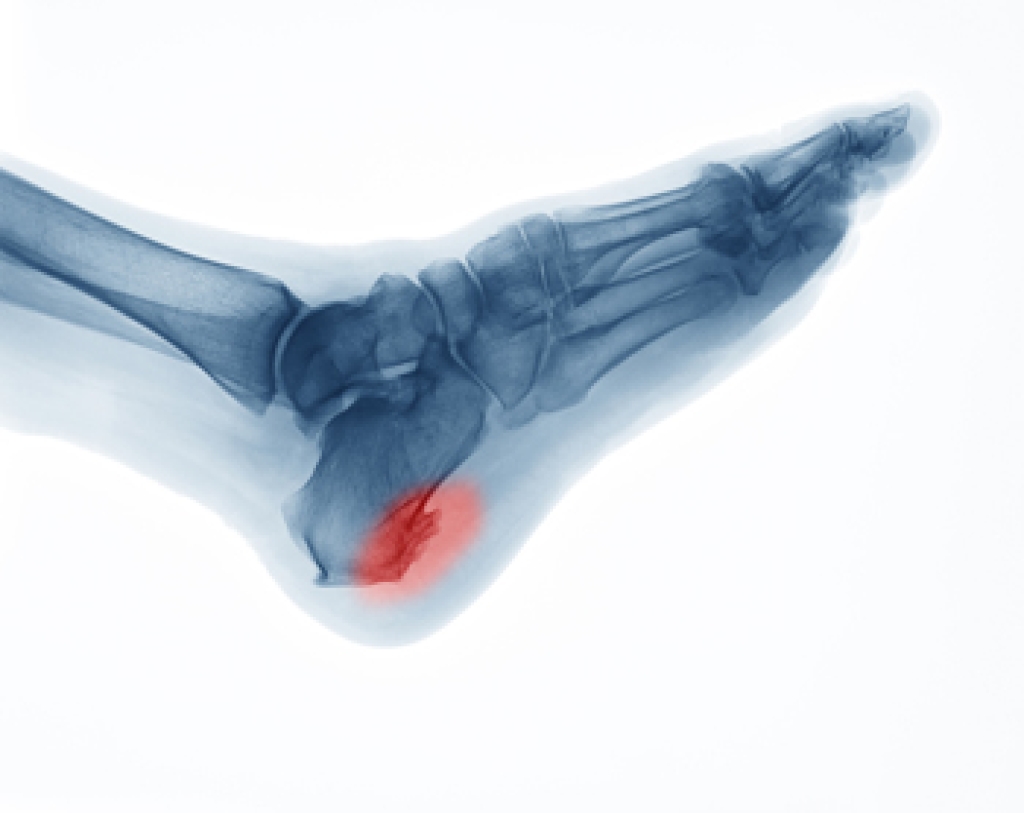
Pain From Heel Spurs

Heel spurs are a bony growth that can develop on the underside of the heel bone, pointing towards the toes. Like many foot conditions, pain is a symptom linked to heel spurs. However, not all patients with heel spurs feel pain. Interestingly, only a fraction of those living with heel spurs experience pain. Often, heel spurs may be associated with plantar fasciitis, in which case pain can be felt at the bottom of the foot. Pain from heel spurs and plantar fasciitis can be more pronounced in the morning. If you are living with heel spurs, then it is suggested that you schedule an appointment with a podiatrist who can help you treat your condition. 

Heel spurs can be incredibly painful and sometimes may make you unable to participate in physical activities. To get medical care for your heel spurs, contact Queen Mbanuzue, DPM from In Step Podiatry Center. Our doctor will do everything possible to treat your condition.

Heels Spurs

Heel spurs are formed by calcium deposits on the back of the foot where the heel is. This can also be caused by small fragments of bone breaking off one section of the foot, attaching onto the back of the foot. Heel spurs can also be bone growth on the back of the foot and may grow in the direction of the arch of the foot.

Older individuals usually suffer from heel spurs and pain sometimes intensifies with age. One of the main condition's spurs are related to is plantar fasciitis.

Pain

The pain associated with spurs is often because of weight placed on the feet. When someone is walking, their entire weight is concentrated on the feet. Bone spurs then have the tendency to affect other bones and tissues around the foot. As the pain continues, the feet will become tender and sensitive over time.

Treatments

There are many ways to treat heel spurs. If one is suffering from heel spurs in conjunction with pain, there are several methods for healing. Medication, surgery, and herbal care are some options.

If you have any questions, please feel free to contact our office located in Lanham, MD . We offer the newest diagnostic and treatment technologies for all your foot care needs.
Read more about Heel Spurs

Types of Ankle Sprains

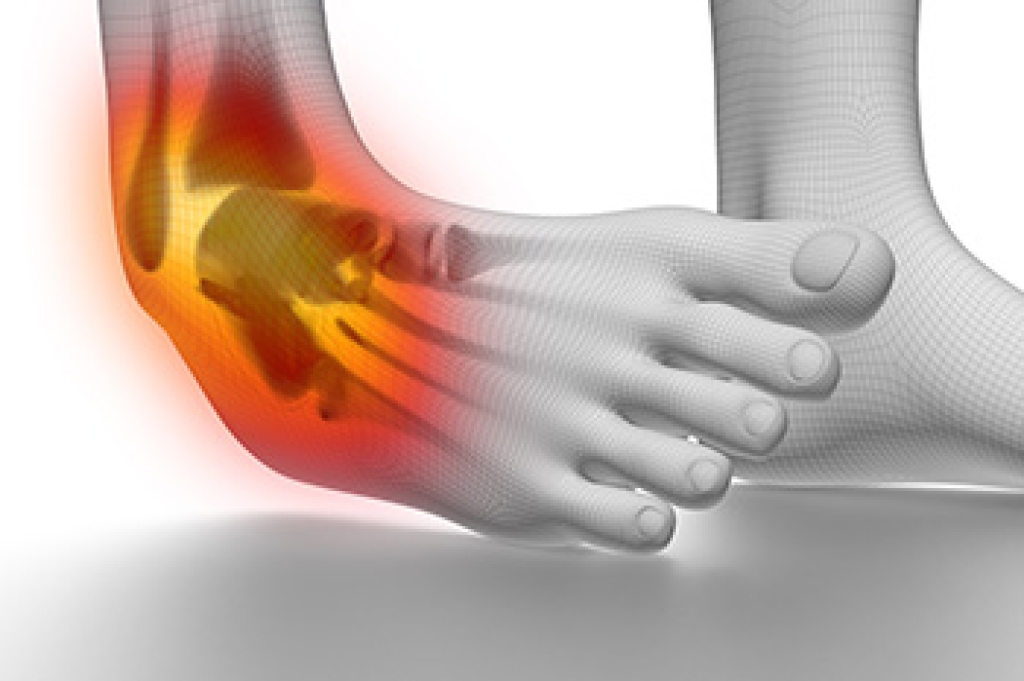
Spraining an ankle is a common injury that results from overstretching one or more ligaments that helps to hold the ankle joint together. Signs of an ankle sprain are pain, swelling, and bruising. There are three main types of ankle sprains. A grade 1 sprain is the least serious injury. The ligaments are stretched, but not torn, and the joint remains stable. A grade 2 sprain is more severe and painful, and may indicate that more than one ligament has partially torn. This causes the ankle joint to become less stable, and bearing weight is more difficult. With a grade 3 sprain, more than one ligament is torn, and ankle movement is impossible. If you have this type of sprain, seeking immediate medical attention is imperative. Ignoring an ankle sprain can be permanently damaging to the joint. For that reason, if you believe you may have sprained an ankle, it is suggested that you consult a podiatrist for an evaluation and treatment.

Although ankle sprains are common, they aren’t always minor injuries. If you need your ankle injury looked at, contact Queen Mbanuzue, DPM from In Step Podiatry Center. Our doctor can provide the care you need to keep you pain-free and on your feet.

How Does an Ankle Sprain Occur?

Ankle sprains are the result of a tear in the ligaments within the ankle. These injuries may happen when you make a rapid shifting movement while your foot is planted. A less common way to sprain your ankle is when your ankle rolls inward while your foot turns outward.

What Are the Symptoms?

  • Pain at the sight of the tear
  • Bruising/Swelling
  • Ankle area is tender to touch
  • In severe cases, may hear/feel something tear
  • Skin discoloration

Preventing a Sprain

  • Wearing appropriate shoes for the occasion
  • Stretching before exercises and sports
  • Knowing your limits

Treatment of a Sprain

In many cases, the RICE method (Rest, Ice, Compression, and Elevate) is used to treat ankle sprains. However, you should see a podiatrist to see which treatment option would work best with your injury. In severe cases, surgery may be required.

It is important to ask your doctor about rehab options after you receive treatment for your injury. Stretching, strength training, and balance exercises may help the ankle heal while also preventing further injury.

If you have any questions, please feel free to contact our office located in Lanham, MD . We offer the newest diagnostic and treatment technologies for all your foot care needs.

Read more about Three Grades of Ankle Sprains

Dealing With Claw Toe

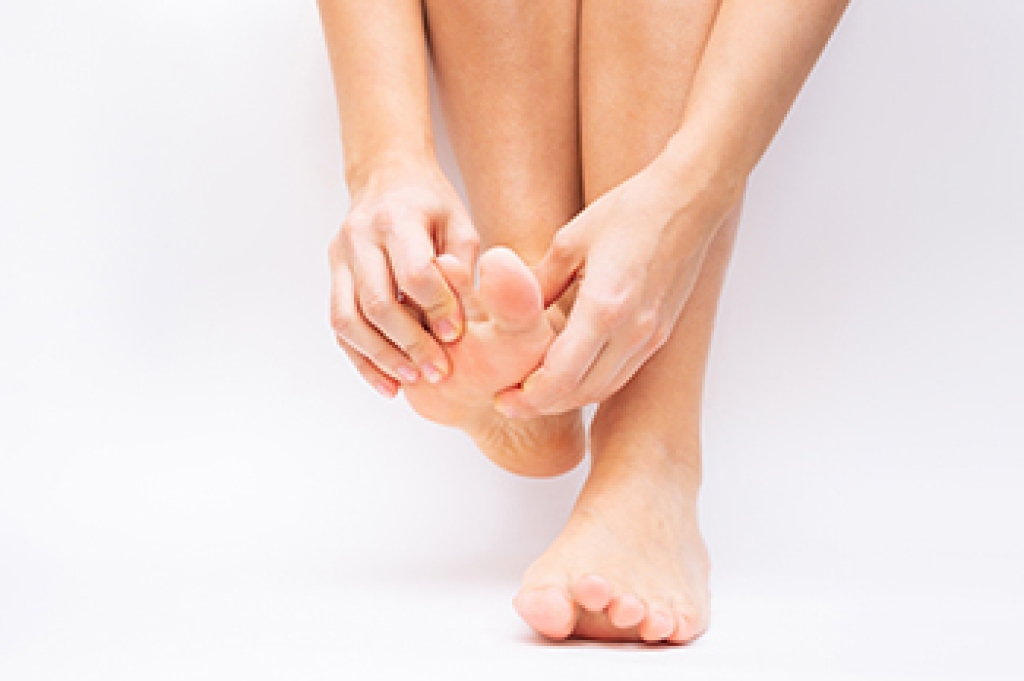
Most people are familiar with bunions, but another toe deformity that can become uncomfortable, or even painful, is claw toe. The tip of the toe curls underneath the foot, while the base of the toe rises up. This usually occurs in one or more of the smaller toes. Although claw toe can be a sign of diabetes, it may also be the result of shoe type, foot structure, or some type of trauma. Besides improperly fitting shoes or other footwear, the causes of claw toe may include ankle injuries, inflammation, or swelling of the feet. In addition, nerve damage that weakens the muscles in the feet may be a factor. Certain underlying medical conditions, including rheumatoid arthritis, cerebral palsy, and diabetes have been identified as possible factors in the development of claw toe. The risk of claw toe increases with age. If you have noticed a change in the structure of your toes or are experiencing unusual pain in the toes, it is suggested that you consult with a podiatrist who can conduct an examination, offer a diagnosis, and suggest a possible treatment plan.  

Toe pain can disrupt your daily activities. If you have any concerns, contact Queen Mbanuzue, DPM of In Step Podiatry Center. Our doctor can provide the care you need to keep you pain-free and on your feet.

What Causes Toe Pain?

Most severe toe pain is caused due to a sports injury, trauma from dropping something heavy on the toe, or bumping into something rigid. Other problems can develop over time for various reasons.

Toe pain can be caused by one or more ailments. The most common include:

  • Trauma
  • Sports injury
  • Wearing shoes that are too tight
  • Arthritis
  • Gout
  • Corns and calluses
  • Hammertoe
  • Bunions
  • Blisters
  • Ingrown toenails
  • Sprains
  • Fractures (broken bones)
  • Dislocations

When to See a Podiatrist

  • Severe pain
  • Persistent pain that lasts more than a week
  • Signs of infection
  • Continued swelling
  • Pain that prevents walking

Diagnosis

In many cases the cause of toe pain is obvious, but in others, a podiatrist may want to use more advanced methods to determine the problem. These can range from simple visual inspections and sensation tests to X-rays and MRI scans. Prior medical history, family medical history, and any recent physical traumatic events will all be taken into consideration for a proper diagnosis.

Treatment

Treatments for toe pain and injuries vary and may include shoe inserts, padding, taping, medicines, injections, and in some cases, surgery. If you believe that you have broken a toe, please see a podiatrist as soon as possible.

If you have any questions please contact our office located in Lanham, MD . We offer the newest diagnostic and treatment technologies for all your foot and ankle needs.

Read more about Toe Pain

Many Types of Running Shoes to Consider

There are numerous types of running shoes, and it is helpful to determine what kind of running will be practiced before purchasing shoes. Running injuries may be prevented when shoes are rotated, which helps protect the feet. Research has shown it is best when running shoes are bought based on user criteria. These can include choosing the surface that will be run on, understanding your walking style or gait, and examining any running goals. There are several different types of running shoes. Trail shoes can provide extra protection while running in mud, snow, or rough terrain. Conversely, road shoes are designed for treadmills, tracks, and sidewalks. Important qualities to look for in purchasing running shoes involve adequate stability and motion control. If you are interested in buying running shoes, it is suggested that you consult with a podiatrist who can guide you toward choosing the correct pair.

You should always make sure your running shoes fit properly in order to avoid injury. For more information, contact Queen Mbanuzue, DPM from In Step Podiatry Center. Our doctor can provide the care you need to keep you pain-free and on your feet.

Choosing the Right Running Shoe for Your Foot Type

Improper shoe sizing can cause a myriad of problems for your feet. Shoes that don’t fit you properly can lead to muscular imbalances in your body, which can result in foot, knee, and hip injuries.

Tips for Finding the Right Running Shoe

  • Make sure you have a thumb’s width of wiggle room between the end of your longest toe and the front of the shoe.
  • There should be little to no slipping at the heel
  • Don’t assume your size in one shoe brand will be your size in another
  • Do not lace up your shoes too tightly
  • Walk around in the store with your new shoes before you buy them

If you have any questions, please feel free to contact our office located in Lanham, MD . We offer the newest diagnostic and treatment technologies for all your foot care needs.

Read more about Choosing the Right Running Shoe

Gout Pain Can Be Managed

Gout is a painful, inflammatory form of arthritis. Those affected will typically feel an intense stiffness in the joints of their feet, particularly in the big toe. Schedule a visit to learn about how gout can be managed and treated.