Have your feet inspected by a professional before starting a new sport or physical activity. Taking charge of your foot health will keep you in good physical condition and can help you avoid a potential injury, such as a fracture or sprained ankle.
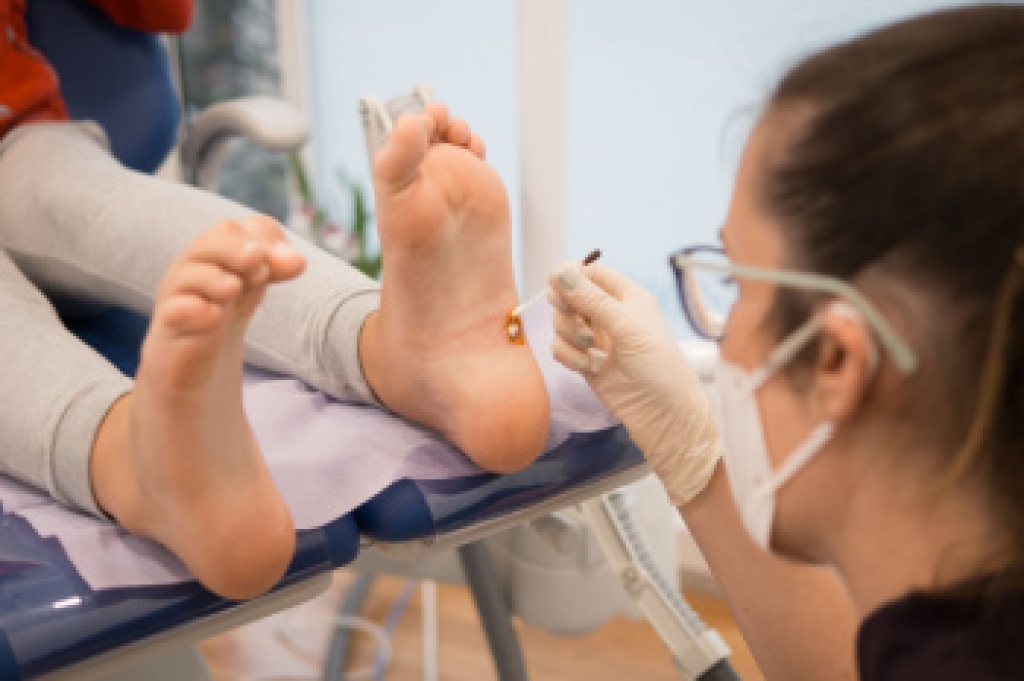
Viral and plantar warts are two foot conditions caused by the human papilloma-virus, abbreviated HPV. Viral warts, also known as common warts, typically appear as small, raised bumps with a rough texture on the surface of the skin. These warts can develop anywhere on the foot but are commonly found on pressure points like the heels or balls of the feet. Conversely, plantar warts specifically affect the soles of the feet, often appearing flat with a thickened callus-like texture and tiny black dots, known as wart seeds, within them. Both types of warts are contagious and can spread through direct contact or by walking barefoot in public areas like swimming pools or gym locker rooms. While viral and plantar warts are generally harmless and may resolve on their own over time, some cases may require specialized treatment to alleviate discomfort and prevent further spread. If you have developed warts on your foot, it is suggested that you visit a podiatrist who can effectively treat them.
Plantar warts can be very uncomfortable. If you need your feet checked, contact Queen Mbanuzue, DPM from In Step Podiatry Center. Our doctor will assist you with all of your foot and ankle needs.
About Plantar Warts
Plantar warts are the result of HPV, or human papillomavirus, getting into open wounds on the feet. They are mostly found on the heels or balls of the feet.
While plantar warts are generally harmless, those experiencing excessive pain or those suffering from diabetes or a compromised immune system require immediate medical care. Plantar warts are easily diagnosed, usually through scraping off a bit of rough skin or by getting a biopsy.
Symptoms
Lesions on the bottom of your feet, usually rough and grainy
Hard or thick callused spots
Wart seeds, which are small clotted blood vessels that look like little black spots
Pain, discomfort, or tenderness of your feet when walking or standing
Treatment
Freezing
Electric tool removal
Laser Treatment
Topical Creams (prescription only)
Over-the-counter medications
To help prevent developing plantar warts, avoid walking barefoot over abrasive surfaces that can cause cuts or wounds for HPV to get into. Avoiding direct contact with other warts, as well as not picking or rubbing existing warts, can help prevent the further spread of plantar warts. However, if you think you have developed plantar warts, speak to your podiatrist. He or she can diagnose the warts on your feet and recommend the appropriate treatment options.
If you have any questions, please feel free to contact our office located in Lanham, MD. We offer the newest diagnostic and treatment technologies for all your foot care needs.
Recovery from a foot stress fracture requires patience, diligence, and strategic care to facilitate optimal healing and prevent further injury. Begin by prioritizing rest and minimizing weight-bearing activities to alleviate stress on the affected foot. Elevate the foot above heart level to reduce swelling and promote circulation, aiding in the healing process. As symptoms improve, gradually reintroduce gentle stretching and strengthening exercises to rebuild muscle strength and flexibility. Consider incorporating low-impact activities like swimming or cycling to maintain cardiovascular fitness while avoiding undue strain on the healing fracture. Ensure proper nutrition, including adequate calcium and vitamin D intake, to support bone health and expedite healing. If you have a stress fracture that has affected your foot, it is suggested that you schedule an appointment with a podiatrist who can help you properly manage this condition.
Stress fractures occur when there is a tiny crack within a bone. To learn more, contact Queen Mbanuzue, DPM from In Step Podiatry Center. Our doctor can provide the care you need to keep you pain free and on your feet.
How Are They Caused?
Stress fractures are the result of repetitive force being placed on the bone. Since the lower leg and feet often carry most of the body’s weight, stress fractures are likely to occur in these areas. If you rush into a new exercise, you are more likely to develop a stress fracture since you are starting too much, too soon. Pain resulting from stress fractures may go unnoticed at first, however it may start to worsen over time.
Risk Factors
Gender – They are more commonly found in women compared to men.
Foot Problems – People with unusual arches in their feet are more likely to develop stress fractures.
Certain Sports – Dancers, gymnasts, tennis players, runners, and basketball players are more likely to develop stress fractures.
Lack of Nutrients – A lack of vitamin D and calcium may weaken the bones and make you more prone to stress fractures
Weak Bones – Osteoporosis can weaken the bones therefore resulting in stress fractures
Stress fractures do not always heal properly, so it is important that you seek help from a podiatrist if you suspect you may have one. Ignoring your stress fracture may cause it to worsen, and you may develop chronic pain as well as additional fractures.
If you have any questions please contact our office located in Lanham, MD. We offer the newest diagnostic and treatment technologies for all your foot and ankle needs.
In the realm of foot health, a diverse array of conditions present, necessitating the expertise of a skilled podiatrist. Among these conditions is plantar fasciitis, a common ailment characterized by inflammation of the tissue connecting the heel bone to the toes, resulting in heel pain and discomfort. Bunions, another prevalent issue, manifest as bony bumps at the base of the big toe, often causing pain and difficulty with footwear. Hammertoes, a noticeable condition where toes become bent in abnormal positions, are also frequently addressed by podiatrists. Additionally, ingrown toenails, which occur when the edges of nails grow into the surrounding skin, are common foot disorders that podiatrists treat. Moreover, athletes frequently seek podiatric care for conditions such as Achilles tendonitis, an inflammation of the Achilles tendon, and stress fractures, which are tiny cracks in bones often caused by repetitive impact. From routine foot care to complex surgical interventions, podiatrists play a critical role in ensuring the health and mobility of their patients' feet and ankles. If you have any foot condition, it is strongly suggested that you schedule an appointment with a podiatrist who can accurately diagnose and offer a comprehensive treatment plan.
If you are dealing with pain in your feet and ankles, you may want to seek help from a podiatrist. Feel free to contact Queen Mbanuzue, DPM from In Step Podiatry Center. Our doctor can provide the care you need to keep you pain-free and on your feet.
What Is a Podiatrist?
A podiatrist is a doctor of podiatric medicine who diagnoses and treats conditions of the foot, ankle, and related structures of the leg. Your podiatrist may specialize in a certain field such as sports medicine, wound care, pediatrics, and diabetic care. Podiatrists have the ability to become board certified through training, clinical experience, and then taking an exam.
What Do Podiatrists Do?
On a daily basis, a podiatrist may perform the following activities:
Diagnose foot ailments such as ulcers, tumors, fractures, etc.
Use innovative methods to treat conditions
Use corrective orthotics, casts, and strappings to correct deformities
Correct walking patterns and balance
Provide individual consultations to patients
It is very important that you take care of your feet. It’s easy to take having healthy feet for granted, however foot problems tend to be among the most common health conditions. Podiatrists can help diagnose and treat a variety of feet related conditions, so it is crucial that you visit one if you need assistance.
If you have any questions, please feel free to contact our office located in Lanham, MD. We offer the newest diagnostic and treatment technologies for all your foot care needs.
Foot corns are painful patches of thickened skin that come in various forms, each requiring a different approach for prevention and treatment. Hard corns typically develop on the tops of toes or on the outer sides of the little toes. Soft corns occur between the toes, usually due to friction and moisture. Seed corns are tiny and tend to appear on the bottom of the feet, often causing discomfort when walking. Wearing properly fitted shoes with ample toe room can reduce friction and pressure on the feet, thus preventing corn formation. Regularly moisturizing the feet can also help soften skin and prevent the development of corns. Using protective pads or cushions can alleviate pressure points and reduce the risk of corn formation. Lastly, maintaining good foot hygiene and avoiding prolonged periods of standing or walking barefoot can further reduce the likelihood of developing foot corns. If you have developed a corn on your foot, it is suggested that you visit a podiatrist who can provide you with the appropriate treatment options.
Corns: What Are They? and How Do You Get Rid of Them? Corns can be described as areas of the skin that have thickened to the point of becoming painful or irritating. They are often layers and layers of the skin that have become dry and rough, and are normally smaller than calluses.
Ways to Prevent Corns There are many ways to get rid of painful corns such as wearing:
Well-fitting socks
Comfortable shoes that are not tight around your foot
Shoes that offer support
Treating Corns Treatment of corns involves removing the dead skin that has built up in the specific area of the foot. Consult with Our doctor to determine the best treatment option for your case of corns.
If you have any questions, please feel free to contact our office located in Lanham, MD. We offer the newest diagnostic and treatment technologies for all your foot care needs.
A broken ankle, a distressing injury affecting many individuals, entails the fracture of one or more bones in the ankle joint. This injury commonly occurs due to sudden trauma, such as falls, twists, or impacts, which exceed the bone's strength. Recognizing the signs and symptoms of a broken ankle is needed for a prompt diagnosis and treatment. Symptoms typically include severe pain, swelling, bruising, inability to bear weight, and possible deformity of the ankle joint. Diagnosis often involves physical examination, imaging tests such as X-rays, and sometimes CT scans to assess the extent of the fracture and determine the appropriate course of action. With proper medical care from a podiatrist, most broken ankles heal effectively, allowing individuals to regain mobility and resume their daily activities. If you have fractured your ankle, it is suggested that you consult a podiatrist who can perform an accurate diagnosis and offer the correct course of treatment.
Broken ankles need immediate treatment. If you are seeking treatment, contact Queen Mbanuzue, DPM from In Step Podiatry Center. Our doctor can provide the care you need to keep you pain-free and on your feet.
Broken Ankles A broken ankle is experienced when a person fractures their tibia or fibula in the lower leg and ankle area. Both of these bones are attached at the bottom of the leg and combine to form what we know to be our ankle.
When a physician is referring to a break of the ankle, he or she is usually referring to a break in the area where the tibia and fibula are joined to create our ankle joint. Ankles are more prone to fractures because the ankle is an area that suffers a lot of pressure and stress. There are some obvious signs when a person experiences a fractured ankle, and the following symptoms may be present.
Symptoms of a Fractured Ankle
Excessive pain when the area is touched or when any pressure is placed on the ankle
Swelling around the area
Bruising of the area
Area appears to be deformed
If you suspect an ankle fracture, it is recommended to seek treatment as soon as possible. The sooner you have your podiatrist diagnose the fracture, the quicker you’ll be on the way towards recovery.
If you have any questions, please feel free to contact our office located in Lanham, MD. We offer the newest diagnostic and treatment technologies for all your foot care needs.
Ballet, renowned for its grace and elegance, demands immense physical strength and flexibility, placing unique stresses on the feet of dancers. Foot pain is a common and often debilitating issue among ballet dancers, stemming from various factors. One primary cause is the repetitive strain endured during training and performances. The intricate footwork, including pointe work and jumps, can lead to overuse injuries such as stress fractures, tendonitis, and ligament strains. The demanding nature of ballet necessitates wearing tightly-fitted shoes, which can exacerbate foot discomfort and deformities like bunions and hammertoes over time. Poor technique or improper alignment during movements can also contribute to foot pain and injury. Additionally, anatomical factors such as foot structure and muscle imbalances play a significant role in predisposing dancers to foot problems. If you enjoy ballet dancing and are experiencing foot pain, it is suggested that you consult with a podiatrist who can offer you successful treatment methods in addition to effective prevention tips.
Foot Pain
Foot pain can be extremely painful and debilitating. If you have a foot pain, consult with Queen Mbanuzue, DPM from In Step Podiatry Center. Our doctor will assess your condition and provide you with quality foot and ankle treatment.
Causes
Foot pain is a very broad condition that could be caused by one or more ailments. The most common include:
Bunions
Hammertoes
Plantar Fasciitis
Bone Spurs
Corns
Tarsal Tunnel Syndrome
Ingrown Toenails
Arthritis (such as Gout, Rheumatoid, and Osteoarthritis)
To figure out the cause of foot pain, podiatrists utilize several different methods. This can range from simple visual inspections and sensation tests to X-rays and MRI scans. Prior medical history, family medical history, and any recent physical traumatic events will all be taken into consideration for a proper diagnosis.
Treatment
Treatment depends upon the cause of the foot pain. Whether it is resting, staying off the foot, or having surgery; podiatrists have a number of treatment options available for foot pain.
If you have any questions, please feel free to contact our office located in Lanham, MD. We offer the newest diagnostic and treatment technologies for all your foot care needs.
Pickleball, a popular sport blending elements of tennis, badminton, and table tennis, is a favorite for its accessibility and fast-paced gameplay. However, like any physical activity, it carries the risk of incurring foot and ankle injuries. One common injury is ankle sprains, occurring when the ligaments supporting the ankle stretch or tear due to sudden movements or changes in direction. These sprains can result from quick pivots, stops, or landing awkwardly after jumping. Additionally, players may experience overuse injuries such as tendonitis or stress fractures, particularly in the foot and ankle regions. The repetitive nature of pickleball movements can strain tendons and bones over time, leading to inflammation and pain. To mitigate the risk of foot and ankle injuries while playing pickleball, it is helpful for players to prioritize proper warm-up exercises, wear supportive footwear with adequate ankle support, and practice good technique to minimize strain on these vulnerable areas. If you have injured your foot or ankle while playing pickleball, it is suggested that you consult a podiatrist who can offer you effective treatment methods.
Ankle and foot injuries are common among athletes and in many sports. They can be caused by several problems and may be potentially serious. If you are feeling pain or think you were injured in a sporting event or when exercising, consult with Queen Mbanuzue, DPM from In Step Podiatry Center. Our doctor will assess your condition and provide you with quality foot and ankle treatment.
Common Injuries
The most common injuries that occur in sporting activities include:
Achilles Tendonitis
Achilles Tendon Rupture
Ankle Sprains
Broken Foot
Plantar Fasciitis
Stress Fractures
Turf Toe
Symptoms
Symptoms vary depending upon the injury and in some cases, there may be no symptoms at all. However, in most cases, some form of symptom is experienced. Pain, aching, burning, bruising, tenderness, tightness or stiffness, sensation loss, difficulty moving, and swelling are the most common symptoms.
Treatment
Just as symptoms vary depending upon the injury, so do treatment options. A common treatment method is known as the RICE method. This method involves rest, applying ice, compression and elevating the afflicted foot or ankle. If the injury appears to be more serious, surgery might be required, such as arthroscopic or reconstructive surgery. Lastly, rehabilitation or therapy might be needed to gain full functionality in the afflicted area. Any discomfort experienced by an athlete must be evaluated by a licensed, reputable medical professional.
If you have any questions please contact our office located in Lanham, MD. We offer the newest diagnostic and treatment technologies for all your foot and ankle needs.
Congenital foot conditions often have unique signs, aiding in the diagnosis of underlying systemic issues. Conditions such as Ellis–van Creveld syndrome, fibrodysplasia ossificans progressiva, and Marfan syndrome show distinct foot abnormalities. For example, Ellis–van Creveld syndrome may feature extra toes, while fibrodysplasia ossificans progressiva can cause deformities in the big toe. Similarly, conditions such as Kniest dysplasia may lead to short and deformed toes, and pseudo- and pseudo-pseudohypoparathyroidism can result in shortened metatarsal bones. Additionally, acromegaly can cause swelling and softness in the feet, while nail-patella syndrome may affect the toenails. Mucopolysaccharidoses often result in widened toe bones and thickened skin on the feet. If your child was born with a foot abnormality, it is strongly suggested that you schedule an appointment with a podiatrist as early as possible.
Congenital foot problems require immediate attention to avoid future complications. If you have any concerns, contact Queen Mbanuzue, DPM of In Step Podiatry Center. Our doctor can provide the care you need to keep you pain-free and on your feet.
Congenital foot problems are deformities affecting the feet, toes, and/or ankles that children are born with. Some of these conditions have a genetic cause while others just happen. Some specific foot ailments that children may be born with include clubfeet, polydactyly/macrodactyly, and cleft foot. There are several other foot anomalies that can occur congenitally. What all of these conditions have in common is that a child may experience difficulty walking or performing everyday activities, as well as trouble finding footwear that fits their foot deformity. Some of these conditions are more serious than others. Consulting with a podiatrist as early as possible will help in properly diagnosing a child’s foot condition while getting the necessary treatment underway.
What are Causes of Congenital Foot Problem?
A congenital foot problem is one that happens to a child at birth. These conditions can be caused by a genetic predisposition, developmental or positional abnormalities during gestation, or with no known cause.
What are Symptoms of Congenital Foot Problems?
Symptoms vary by the congenital condition. Symptoms may consist of the following:
Clubfoot, where tendons are shortened, bones are shaped differently, and the Achilles tendon is tight, causing the foot to point in and down. It is also possible for the soles of the feet to face each other.
Polydactyly, which usually consists of a nubbin or small lump of tissue without a bone, a toe that is partially formed but has no joints, or an extra toe.
Vertical talus, where the talus bone forms in the wrong position causing other bones in the foot to line up improperly, the front of the foot to point up, and the bottom of the foot to stiffen, with no arch, and to curve out.
Tarsal coalition, when there is an abnormal connection of two or more bones in the foot leading to severe, rigid flatfoot.
Cleft foot, where there are missing toes, a V-shaped cleft, and other anatomical differences.
Macrodactyly, when the toes are abnormally large due to overgrowth of the underlying bone or soft tissue.
Treatment and Prevention
While there is nothing one can do to prevent congenital foot problems, raising awareness and receiving neonatal screenings are important. Early detection by taking your child to a podiatrist leads to the best outcome possible.
If you have any questions, please feel free to contact our office located in Lanham, MD. We offer the newest diagnostic and treatment technologies for all your foot care needs.