Effective Stretches to Strengthen Flat Feet

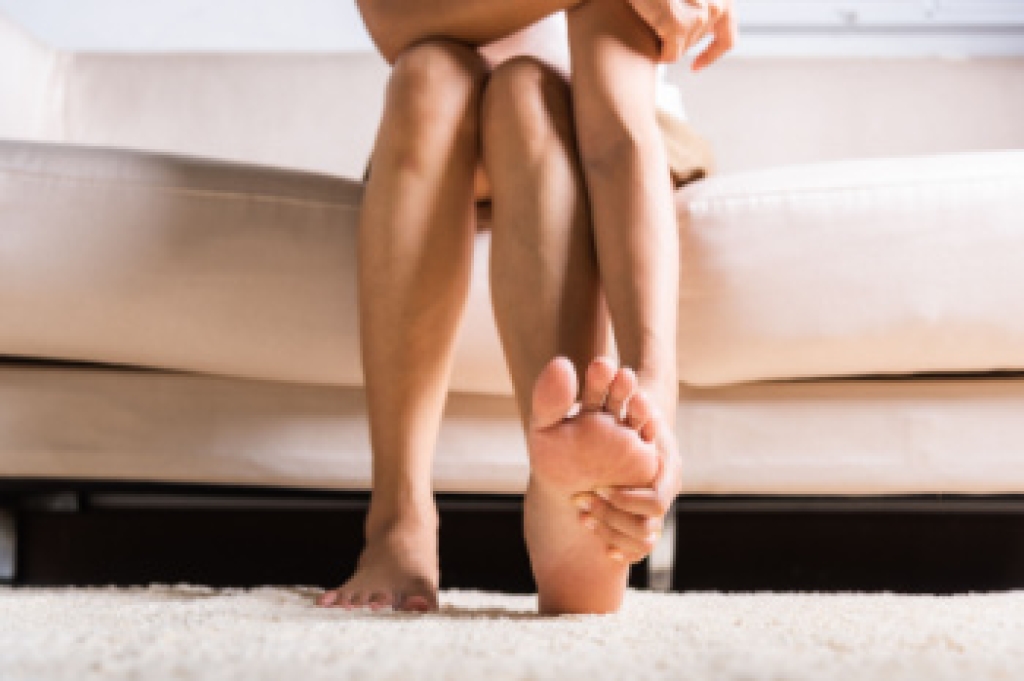
Flat feet can lead to discomfort and misalignment, but specific stretches can help strengthen the muscles in the feet and improve their arch. One effective stretch is the toe curl, which involves sitting with feet flat on the floor and using the toes to pick up a towel or small object. This exercise helps strengthen the muscles that support the arch. Another helpful stretch is the calf stretch, where you stand with your hands on a wall, one foot forward and the other behind, pressing the heel of the back foot into the ground to stretch the calf and Achilles tendon. Regularly practicing the arch lift can also be beneficial, where you lift the arches while keeping the toes and heels grounded. These stretches combined with exercises for the foot muscles, can help improve posture, alleviate discomfort, and support healthier foot function. If you have flat feet, it is suggested that you are under the care of a podiatrist who can offer relief and treatment solutions with custom orthotics.

Why Stretching Is Important for Your Feet

Stretching the feet is a great way to prevent injuries. If you have any concerns with your feet consult with Queen Mbanuzue, DPM from In Step Podiatry Center. Our doctor will assess your condition and provide you with quality foot and ankle treatment.

Stretching the Feet

Stretching the muscles in the foot is an important part in any physical activity. Feet that are tight can lead to less flexibility and make you more prone to injury. One of the most common forms of foot pain, plantar fasciitis, can be stretched out to help ease the pain. Stretching can not only ease pain from plantar fasciitis but also prevent it as well. However, it is important to see a podiatrist first to determine if stretching is right for you. Podiatrists can also recommend other ways to stretch your feet. Once you know whether stretching is right for you, here are some excellent stretches you can do.

  • Using a foam roller or any cylindrical object (a water bottle or soda can will do), roll the object under your foot back and forth. You should also exert pressure on the object. Be sure to do this to both feet for a minute. Do this exercise three times each.
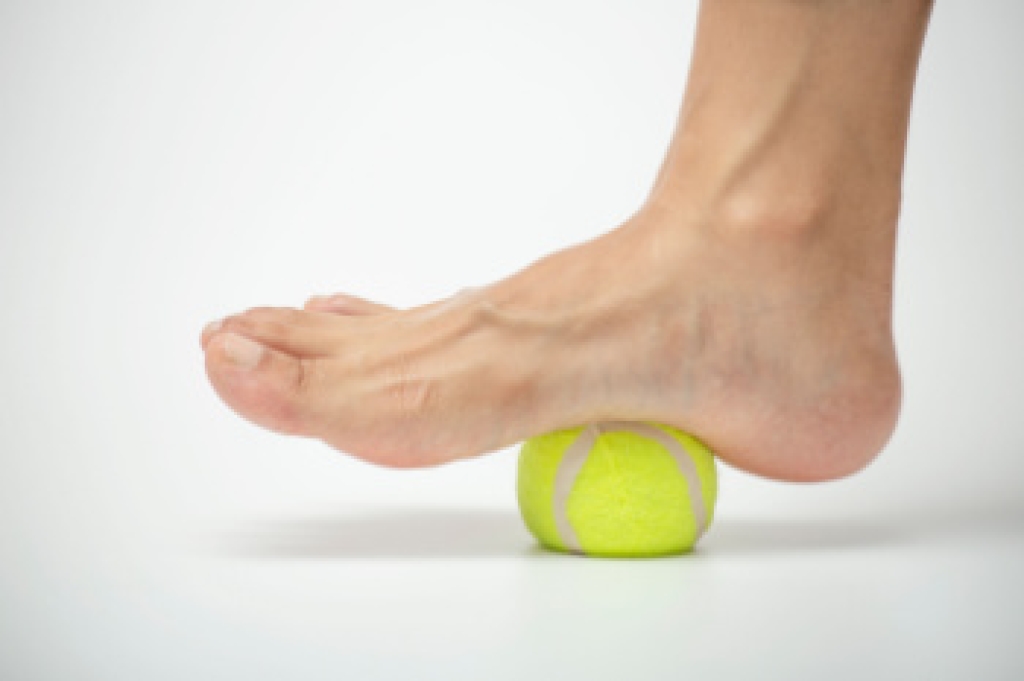
  • Similar to the previous exercise, take a ball, such as a tennis ball, and roll it under your foot while seated and exert pressure on it.
  • Grab a resistance band or towel and take a seat. If you are using a towel, fold it length wise. Next put either one between the ball of your foot and heel and pull with both hands on each side towards you. Hold this for 15 seconds and then switch feet. Do this three times for each foot.
  • Finally hold your big toe while crossing one leg over the other. Pull the toe towards you and hold for 15 seconds. Once again do this three times per foot.

It is best to go easy when first stretching your foot and work your way up. If your foot starts hurting, stop exercising to ice and rest the foot. It is advised that you then see a podiatrist for help.

If you have any questions please contact our office located in Lanham, MD . We offer the newest diagnostic and treatment technologies for all your foot and ankle needs.

Read more about Stretching Your Feet

Let the Expert Treat Your Ingrown Toenails

Ingrown toenails can be painful and can make wearing shoes or walking uncomfortable. Seek professional help if you believe you've developed an ingrown toenail and be treated safely. 

What Is a Shoe Bite?

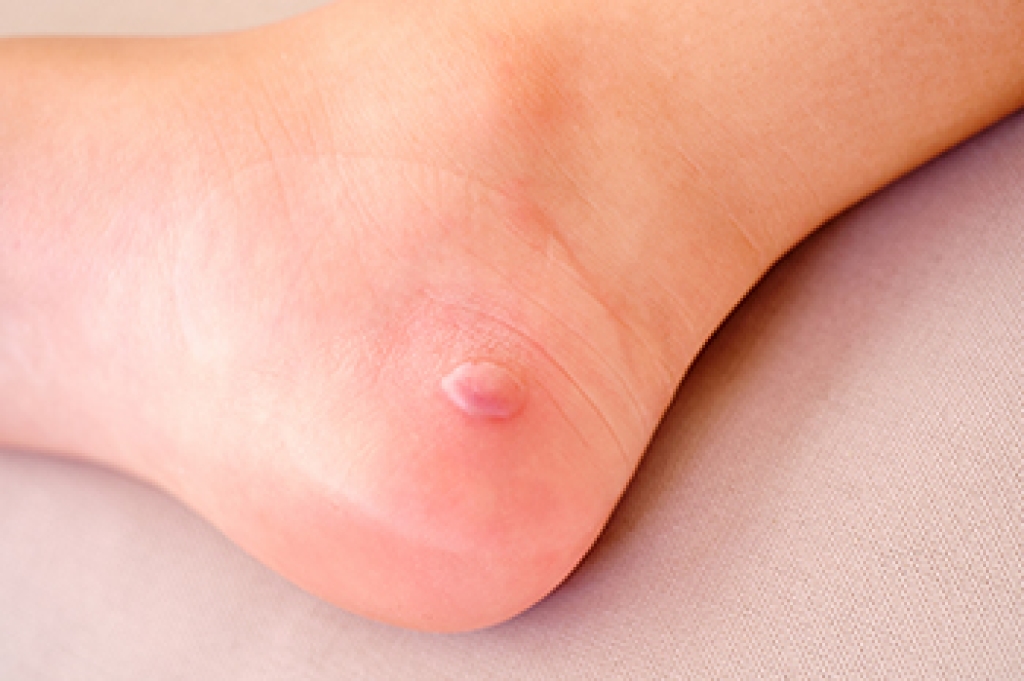
A shoe bite refers to a painful irritation or blister that forms on the skin due to friction between the feet and ill-fitting shoes. These blisters typically appear on areas like the heels, toes, or sides of the feet. The primary cause of shoe bites is wearing shoes that are too tight, too loose, or made from stiff materials that rub against the skin. This constant friction leads to skin damage, causing redness, swelling, and eventually blisters. To prevent shoe bites, it is essential to choose shoes that fit well and provide adequate support. Using blister pads or cushioned insoles can also help reduce friction. Additionally, breaking in new shoes gradually and wearing socks made from breathable materials can protect the skin from excessive rubbing. Untreated blisters may become infected and become quite painful. If you have developed a foot blister, it is suggested that you consult a podiatrist who can offer additional prevention tips, and provide effective relief methods.

Blisters are prone to making everyday activities extremely uncomfortable. If your feet are hurting, contact Queen Mbanuzue, DPM of In Step Podiatry Center. Our doctor can provide the care you need to keep you pain-free and on your feet.

Foot Blisters

Foot blisters develop as a result of constantly wearing tight or ill-fitting footwear. This happens due to the constant rubbing from the shoe, which can often lead to pain.

What Are Foot Blisters?

A foot blister is a small fluid-filled pocket that forms on the upper-most layer of the skin. Blisters are filled with clear fluid and can lead to blood drainage or pus if the area becomes infected.

How Do Blisters Form?

Blisters on the feet are often the result of constant friction of skin and material, usually by shoe rubbing. Walking in sandals, boots, or shoes that don’t fit properly for long periods of time can result in a blister. Having consistent foot moisture and humidity can easily lead to blister formation.

Prevention & Treatment

It is important to properly care for the affected area in order to prevent infection and ease the pain. Do not lance the blister and use a Band-Aid to provide pain relief. Also, be sure to keep your feet dry and wear proper fitting shoes. If you see blood or pus in a blister, seek assistance from a podiatrist.

If you have any questions, please feel free to contact our office located in Lanham, MD . We offer the newest diagnostic and treatment technologies for all your foot care needs.

Read more about Blisters

Essential Foot Care Tips for Diabetic Patients

Foot care is critical for individuals with diabetes, as high blood sugar levels can lead to nerve damage and poor circulation, increasing the risk of foot problems. Regular inspection of the feet is important to detect any cuts, blisters, or infections early. It is recommended to wash the feet daily with warm water and mild soap, ensuring they are thoroughly dried, especially between the toes. Moisturizing the feet can prevent dry skin, but individuals should avoid applying lotion between the toes to prevent fungal infections. Wearing proper footwear is essential to protect the feet from injury. Shoes should be well-fitted and cushioned to avoid pressure points. It is also important to trim toenails carefully to avoid ingrown nails. If you have diabetes, it is strongly suggested that you are under the care of a podiatrist who can help manage foot health and prevent complications associated with diabetes.

Diabetic foot care is important in preventing foot ailments such as ulcers. If you are suffering from diabetes or have any other concerns about your feet, contact Queen Mbanuzue, DPM from In Step Podiatry Center. Our doctor can provide the care you need to keep you pain-free and on your feet.

Diabetic Foot Care

Diabetes affects millions of people every year. The condition can damage blood vessels in many parts of the body, especially the feet. Because of this, taking care of your feet is essential if you have diabetes, and having a podiatrist help monitor your foot health is highly recommended.

The Importance of Caring for Your Feet

  • Routinely inspect your feet for bruises or sores.
  • Wear socks that fit your feet comfortably.
  • Wear comfortable shoes that provide adequate support.

Patients with diabetes should have their doctor monitor their blood levels, as blood sugar levels play such a huge role in diabetic care. Monitoring these levels on a regular basis is highly advised.

It is always best to inform your healthcare professional of any concerns you may have regarding your feet, especially for diabetic patients. Early treatment and routine foot examinations are keys to maintaining proper health, especially because severe complications can arise if proper treatment is not applied.

If you have any questions, please feel free to contact our office located in Lanham, MD . We offer the newest diagnostic and treatment technologies for all your foot care needs.

Read more about How to Care for Diabetic Foot

What Causes Athlete’s Foot?

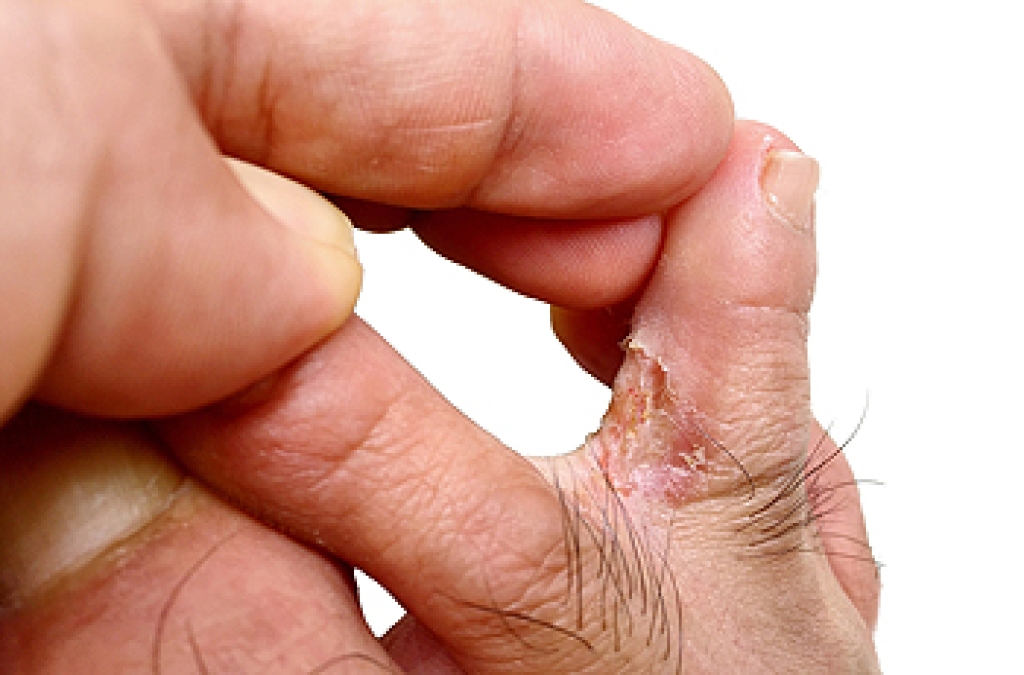
Athlete's foot is a fungal infection that affects the skin on the feet, causing itching, redness, peeling, and sometimes blisters. The fungus thrives in warm, moist environments, such as sweaty shoes or public areas like locker rooms and swimming pools. Athlete’s foot is extremely contagious, spreading through direct contact or by sharing contaminated items, like towels or footwear. This condition is caused by a group of fungi called dermatophytes, which invade the skin and cause irritation. While athlete's foot may be treated with mild antifungal creams or powders, severe or persistent cases may require stronger medications and professional care. If left untreated, athlete's foot can spread to other areas of the body, including the toenails or groin, and may cause complications like bacterial infections. A podiatrist can ensure proper treatment by providing targeted care and recommending preventive measures to avoid reinfection. If you are struggling with athlete's foot, it is suggested that you schedule an appointment with a podiatrist.

Athlete’s Foot

Athlete’s foot is often an uncomfortable condition to experience. Thankfully, podiatrists specialize in treating athlete’s foot and offer the best treatment options. If you have any questions about athlete’s foot, consult with Queen Mbanuzue, DPM from In Step Podiatry Center. Our doctor will assess your condition and provide you with quality treatment.

What Is Athlete’s Foot?

Tinea pedis, more commonly known as athlete’s foot, is a non-serious and common fungal infection of the foot. Athlete’s foot is contagious and can be contracted by touching someone who has it or infected surfaces. The most common places contaminated by it are public showers, locker rooms, and swimming pools. Once contracted, it grows on feet that are left inside moist, dark, and warm shoes and socks.

Prevention

The most effective ways to prevent athlete’s foot include:

  • Thoroughly washing and drying feet
  • Avoid going barefoot in locker rooms and public showers
  • Using shower shoes in public showers
  • Wearing socks that allow the feet to breathe
  • Changing socks and shoes frequently if you sweat a lot

Symptoms

Athlete’s foot initially occurs as a rash between the toes. However, if left undiagnosed, it can spread to the sides and bottom of the feet, toenails, and if touched by hand, the hands themselves. Symptoms include:

  • Redness
  • Burning
  • Itching
  • Scaly and peeling skin

Diagnosis and Treatment

Diagnosis is quick and easy. Skin samples will be taken and either viewed under a microscope or sent to a lab for testing. Sometimes, a podiatrist can diagnose it based on simply looking at it. Once confirmed, treatment options include oral and topical antifungal medications.

If you have any questions, please feel free to contact our office located in Lanham, MD . We offer the newest diagnostic and treatment technologies for all your foot care needs.

Read more about How to Deal with Athlete's Foot

Treatment for Adult Acquired Flat Feet

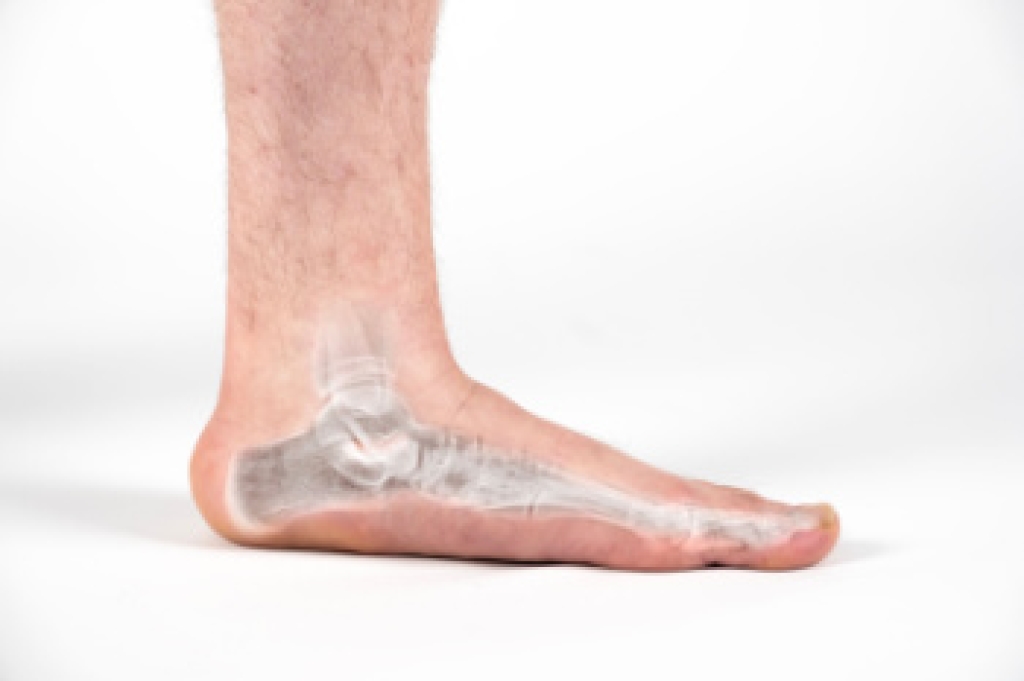
Progressive collapsing foot deformity, also known as adult acquired flat feet, is a condition where the arch of the foot gradually collapses, leading to a flattening of the foot. This condition typically develops over time due to weakness or dysfunction in the posterior tibial tendon, which supports the arch. As the tendon becomes weakened, it causes the arch to lose its structural integrity, resulting in a flatter appearance and altered gait. Adult acquired flat feet can cause pain, swelling, and difficulty walking, especially after long periods of standing or physical activity. Other factors, such as obesity, aging, or previous injuries, can contribute to the condition. Treatment options include orthotic devices, and in severe cases, surgical intervention. If you have flat feet, it is strongly suggested that you are under the care of a podiatrist who can help you to manage this condition.

Flatfoot is a condition many people suffer from. If you have flat feet, contact Queen Mbanuzue, DPM from In Step Podiatry Center. Our doctor will treat your foot and ankle needs.

What Are Flat Feet?

Flatfoot is a condition in which the arch of the foot is depressed and the sole of the foot is almost completely in contact with the ground. About 20-30% of the population generally has flat feet because their arches never formed during growth.

Conditions & Problems:

Having flat feet makes it difficult to run or walk because of the stress placed on the ankles.

Alignment – The general alignment of your legs can be disrupted, because the ankles move inward which can cause major discomfort.

Knees – If you have complications with your knees, flat feet can be a contributor to arthritis in that area.  

Symptoms

  • Pain around the heel or arch area
  • Trouble standing on the tip toe
  • Swelling around the inside of the ankle
  • Flat look to one or both feet
  • Having your shoes feel uneven when worn

Treatment

If you are experiencing pain and stress on the foot you may weaken the posterior tibial tendon, which runs around the inside of the ankle. 

If you have any questions, please feel free to contact our office located in Lanham, MD . We offer the newest diagnostic and treatment technologies for all your foot care needs.

Read more about Flat Feet

Are Bunions Affecting Your Everyday Life?

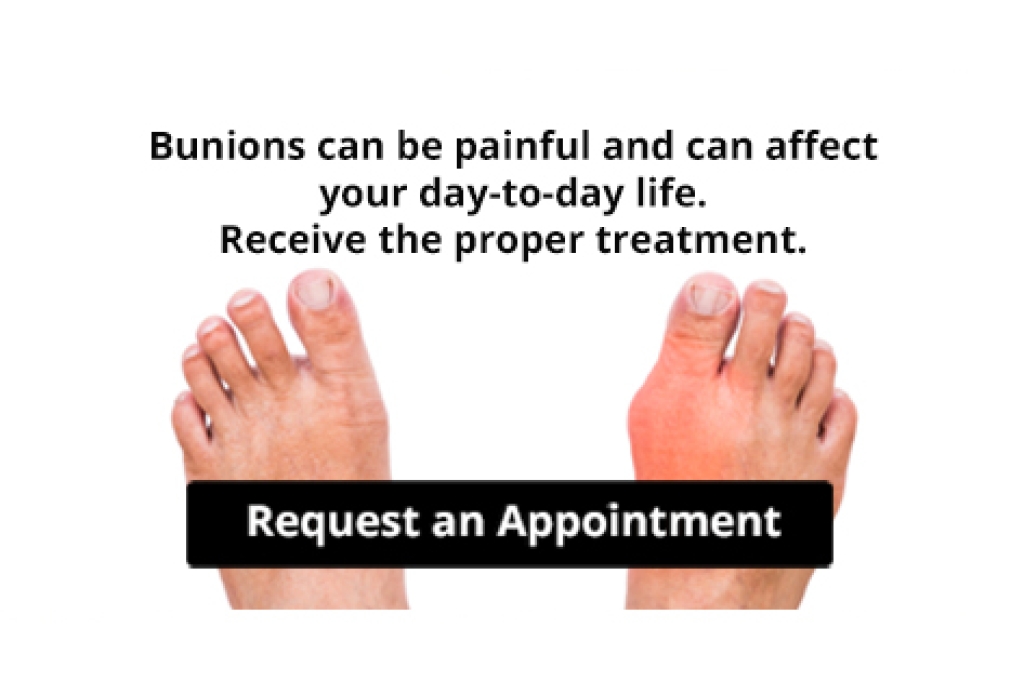
Have you noticed a bony protrusion on the side of your big toe? If so, you may have developed the foot condition known as a bunion. Don't let bunions interfere with your daily activities.

The Benefits of Letting Kids Walk Barefoot

Allowing kids to walk barefoot offers numerous benefits for their development and overall well-being. When children walk without shoes, their feet can grow naturally, promoting healthy arch formation and improving foot strength. Barefoot walking also enhances sensory feedback, allowing children to better understand their surroundings and develop improved balance. Additionally, walking without shoes can increase safety awareness, as children become more mindful of the surfaces they walk on, which can help prevent accidents. Another advantage is that walking barefoot encourages fun and freedom, allowing children to engage more fully with their environment. By spending time barefoot, kids can also help extend the lifespan of their shoes, as they do not wear out as quickly. If you have questions or would like additional information about the benefits of your child walking barefoot, it is suggested that you speak to a podiatrist who can address any concerns you may have.

Making sure that your children maintain good foot health is very important as they grow. If you have any questions, contact Queen Mbanuzue, DPM of In Step Podiatry Center. Our doctor can provide the care you need to keep you pain-free and on your feet.

Keeping Children's Feet Healthy

Having healthy feet during childhood can help prevent medical problems later in life, namely in the back and legs. As children grow, their feet require different types of care. Here are some things to consider...

Although babies do not walk yet, it is still very important to take care of their feet.

Avoid putting tight shoes or socks on his or her feet.

Allow the baby to stretch and kick his or her feet to feel comfortable.

As a toddler, kids are now on the move and begin to develop differently. At this age, toddlers are getting a feel for walking, so don’t be alarmed if your toddler is unsteady or ‘walks funny’. 

As your child gets older, it is important to teach them how to take care of their feet.

Show them proper hygiene to prevent infections such as fungus.

Be watchful for any pain or injury.

Have all injuries checked by a doctor as soon as possible.

Comfortable, protective shoes should always be worn, especially at play.

If you have any questions, please feel free to contact our office located in Lanham, MD . We offer the newest diagnostic and treatment technologies for all your foot care needs.

Read more about What to Do to Keep Your Child’s Feet Healthy

CRPS and Foot Pain

Complex Regional Pain Syndrome, or CRPS, is a chronic pain condition that can severely impact the feet, causing intense discomfort, swelling, and skin changes. CRPS often develops after an injury, surgery, or trauma, even if minor, when the nervous system overreacts, leading to persistent pain far beyond the original injury site. In the feet, CRPS may cause burning pain, heightened sensitivity to touch, temperature fluctuations, and skin color changes. The affected foot can become swollen and stiff, making movement difficult and sometimes causing muscle weakness. CRPS is most common in adults, but anyone with an injury may be at risk. Early diagnosis is important to manage symptoms effectively, often involving medications, targeted exercises, and nerve treatments. If you suffer from CRPS, it is suggested that you consult a podiatrist who can help improve function and prevent the condition from worsening.

Some foot conditions may require additional professional care. If you have any concerns, contact Queen Mbanuzue, DPM of In Step Podiatry Center. Our doctor can provide the care you need to keep you pain-free and on your feet.

Rare Foot Conditions

The majority of foot conditions are common and can be treated by a podiatrist.  Standard diagnostic procedures are generally used to identify specific conditions and treatment can be rendered. A podiatrist also treats rare foot conditions which can be difficult to diagnose and may need extra attention and care. 

There are many rare foot conditions that can affect children. Some of these can include:

  • Freiberg’s disease
  • Kohler’s disease
  • Maffucci syndrome

Freiberg’s disease - This can be seen as a deterioration and flattening of a metatarsal bone that exists in the ball of the foot. It typically affects pre-teen and teenage girls, but can affect anyone at any age. Symptoms that can accompany this can be swelling, stiffness, and the patient may limp. 

Kohler’s disease - This often targets the bone in the arch of the foot and affects younger boys. It can lead to an interruption of the blood supply which ultimately can lead to bone deterioration. The patient may limp or experience tenderness, swelling, and redness.

Maffucci syndrome - This affects the long bones in a child’s foot leading to the development of abnormal bone lesions. They are benign growths and typically develop in early childhood and the bones may be susceptible to breaking. 

A podiatrist can properly diagnose and treat all types of rare foot conditions. If your child is affected by any of these symptoms or conditions, please don’t hesitate to call our office so the correct treatment method can begin.

If you have any questions, please feel free to contact our office located in Lanham, MD . We offer the newest diagnostic and treatment technologies for all your foot care needs.

Read more about Rare Foot Conditions

Why Running Stores Are Not the Best for a Gait Analysis

Getting a gait analysis at a running store may not give the most accurate results for choosing the right running shoes. Many stores use simple arch tests, which do not fully capture the complexity of individual foot movement. Standing on a surface does not mimic how feet move while running, and even video analysis of running may miss important details. Foot motion is not just about arch shape or basic pronation. It can involve the inner arch dropping, the heel tilting, or the forefoot rotating. Often, these movements happen together, making foot mechanics more complex than store tests suggest. For a true understanding of how your feet move and the best shoe fit, it is suggested that seeing a podiatrist is a better choice. This type of doctor can evaluate your whole body’s movement to ensure you get shoes that match your unique needs.

If you are a runner, wearing the right running shoe is essential. For more information, contact Queen Mbanuzue, DPM from In Step Podiatry Center. Our doctor can provide the care you need to keep you pain-free and on your feet.

Choosing the Right Running Shoe for Your Foot Type

To increase performance and avoid the risk of injury, it is important to choose the right running shoe based on your foot type. The general design of running shoes revolves around pronation, which is how the ankle rolls from outside to inside when the foot strikes the ground.

  • Neutral runners are able to choose from a wide variety of shoes, including minimalist shoes or even going barefoot.
  • Runners who overpronate, or experience an over-abundance of ankle rolling, should choose shoes that provide extra motion control and stability.
  • Runners who underpronate, or supinate, have feet that have high arches and lack flexibility, preventing shock absorption. They require shoes with more flexibility and cushion.

If you have any questions, please feel free to contact our office located in Lanham, MD . We offer the newest diagnostic and treatment technologies for all your foot care needs.

Read more about Choosing the Right Running Shoe for Your Foot Type