How Gout Differs From Rheumatoid Arthritis

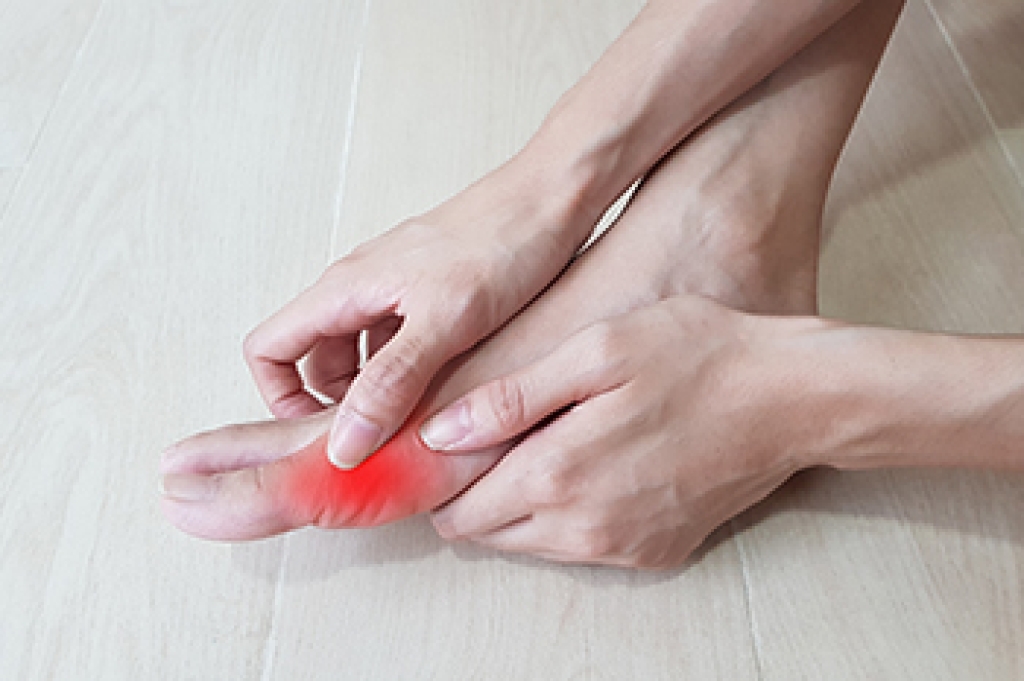
Gout and rheumatoid arthritis, also known as RA, are two distinct medical conditions that can affect joints in the feet and ankles, and they can be differentiated based on various factors. Gout is caused by the accumulation of uric acid crystals in the joints, usually due to an overproduction or under-excretion of uric acid. In contrast, RA is an autoimmune disease where the body's immune system mistakenly attacks its own joints, leading to inflammation. The symptoms of gout and RA also vary. Gout typically presents with sudden and intense pain in one joint, often the big toe, along with redness and swelling. RA, on the other hand, typically affects multiple joints symmetrically and causes chronic pain, morning stiffness, and joint deformities over time. Laboratory tests can help distinguish between the two conditions. Elevated levels of uric acid in the blood or the presence of uric acid crystals in joint fluid are indicative of gout. RA is characterized by the presence of specific auto-antibodies, like rheumatoid factor and anti-cyclic citrullinated peptide antibodies. If you have pain in your foot or ankle joints, it is suggested that you schedule an appointment with a podiatrist for proper testing and a diagnosis so that the right treatment can be administered.

Gout is a painful condition that can be treated. If you are seeking treatment, contact Queen Mbanuzue, DPM from In Step Podiatry Center. Our doctor will treat your foot and ankle needs.

What Is Gout?

Gout is a form of arthritis that is characterized by sudden, severe attacks of pain, redness, and tenderness in the joints. The condition usually affects the joint at the base of the big toe. A gout attack can occur at any random time, such as the middle of the night while you are asleep.

Symptoms

  • Intense Joint Pain - Usually around the large joint of your big toe, and it most severe within the first four to twelve hours
  • Lingering Discomfort - Joint discomfort may last from a few days to a few weeks
  • Inflammation and Redness -Affected joints may become swollen, tender, warm and red
  • Limited Range of Motion - May experience a decrease in joint mobility

Risk Factors

  • Genetics - If family members have gout, you’re more likely to have it
  • Medications - Diuretic medications can raise uric acid levels
  • Gender/Age - Gout is more common in men until the age of 60. It is believed that estrogen protects women until that point
  • Diet - Eating red meat and shellfish increases your risk
  • Alcohol - Having more than two alcoholic drinks per day increases your risk
  • Obesity - Obese people are at a higher risk for gout

Prior to visiting your podiatrist to receive treatment for gout, there are a few things you should do beforehand. If you have gout you should write down your symptoms--including when they started and how often you experience them, important medical information you may have, and any questions you may have. Writing down these three things will help your podiatrist in assessing your specific situation so that he or she may provide the best route of treatment for you.

If you have any questions, please feel free to contact our office located in Lanham, MD . We offer the newest diagnostic and treatment technologies for all your foot care needs.

Read more about Gout

Heel Pain in the Morning?

Heel pain can negatively affect your day-to-day life. Simple activities like walking can become incredibly uncomfortable or painful due to heel pain.

Don’t live with heel pain and get treated.

Mobility Aids May Help to Prevent Falling

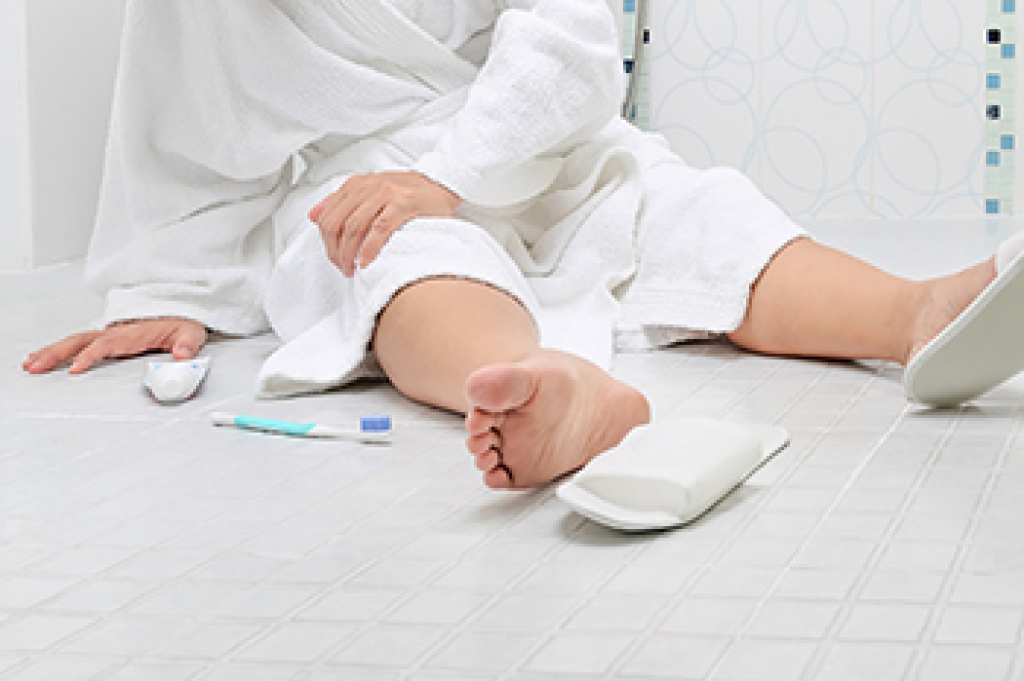
Mobility aids play an important role in falls prevention, especially for elderly individuals who may be at risk of having balance issues. Walking aids, such as canes or wheeled walkers, offer valuable support and enhance stability. Determining the appropriate mobility aid for a patient can be done through simple assessments. One effective test involves offering a hand for support while the patient walks. If they benefit from this assistance, it may indicate that a cane would be suitable. Alternatively, if they prefer using two hands or rely on a grocery cart while shopping, a wheeled walker may be a better choice. If you or someone you care for is at an increased risk for falling it is suggested that you contact a podiatrist to discuss how mobility aids can help.

Preventing falls among the elderly is very important. If you are older and have fallen or fear that you are prone to falling, consult with Queen Mbanuzue, DPM from In Step Podiatry Center. Our doctor will assess your condition and provide you with quality advice and care.

Every 11 seconds, an elderly American is being treated in an emergency room for a fall related injury. Falls are the leading cause of head and hip injuries for those 65 and older. Due to decreases in strength, balance, senses, and lack of awareness, elderly persons are very susceptible to falling. Thankfully, there are a number of things older persons can do to prevent falls.

How to Prevent Falls

Some effective methods that older persons can do to prevent falls include:

  • Enrolling in strength and balance exercise program to increase balance and strength
  • Periodically having your sight and hearing checked
  • Discuss any medications you have with a doctor to see if it increases the risk of falling
  • Clearing the house of falling hazards and installing devices like grab bars and railings
  • Utilizing a walker or cane
  • Wearing shoes that provide good support and cushioning
  • Talking to family members about falling and increasing awareness

Falling can be a traumatic and embarrassing experience for elderly persons; this can make them less willing to leave the house, and less willing to talk to someone about their fears of falling. Doing such things, however, will increase the likelihood of tripping or losing one’s balance. Knowing the causes of falling and how to prevent them is the best way to mitigate the risk of serious injury.  

If you have any questions, please feel free to contact our office located in Lanham, MD . We offer the newest diagnostic and treatment technologies for all your foot care needs.

Read more about Falls Prevention

Managing Foot Pain During Pregnancy

Pregnancy, with its myriad changes, often brings about discomfort, and foot pain is a common concern for many expectant mothers. Fortunately, several strategies can help alleviate this discomfort. Opting for comfortable, supportive footwear is vital, as the body undergoes weight changes that can impact foot structure. Regularly elevating the feet, especially after extended periods of standing, can help to reduce swelling and promote better circulation. Gentle stretching exercises, such as ankle circles and toe flexes, can offer relief and maintain flexibility. Adequate hydration is essential to prevent water retention, a common contributor to foot swelling. Cold compresses or foot massages may provide soothing relief while maintaining a healthy weight. Engaging in low-impact exercises, like swimming, can alleviate pressure on the feet. Regular prenatal checkups ensure any underlying conditions that contribute to foot pain are addressed promptly. If you are experiencing foot pain during your pregnancy, it is suggested that you confer with a podiatrist who can offer you effective relief techniques.

Pregnant women with swollen feet can be treated with a variety of different methods that are readily available. For more information about other cures for swollen feet during pregnancy, consult with Queen Mbanuzue, DPM from In Step Podiatry Center. Our doctor will attend to all of your foot and ankle needs.

What Foot Problems Can Arise During Pregnancy?

One problem that can occur is overpronation, which occurs when the arch of the foot flattens and tends to roll inward.  This can cause pain and discomfort in your heels while you’re walking or even just standing up, trying to support your baby.  

Another problem is edema, or swelling in the extremities. This often affects the feet during pregnancy but tends to occur in the later stages. 

How Can I Keep My Feet Healthy During Pregnancy?

  • Wearing orthotics can provide extra support for the feet and help distribute weight evenly
  • Minimize the amount of time spent walking barefoot
  • Wear shoes with good arch support
  • Wear shoes that allow for good circulation to the feet
  • Elevate feet if you experience swelling
  • Massage your feet
  • Get regular, light exercise, such as walking, to promote blood circulation to the feet

If you have any questions, please feel free to contact our office located in Lanham, MD . We offer the newest diagnostic and treatment technologies for all your foot care needs.
Read more about Pregnancy and Foot Health

Relationship of Heel Spurs to Plantar Fasciitis

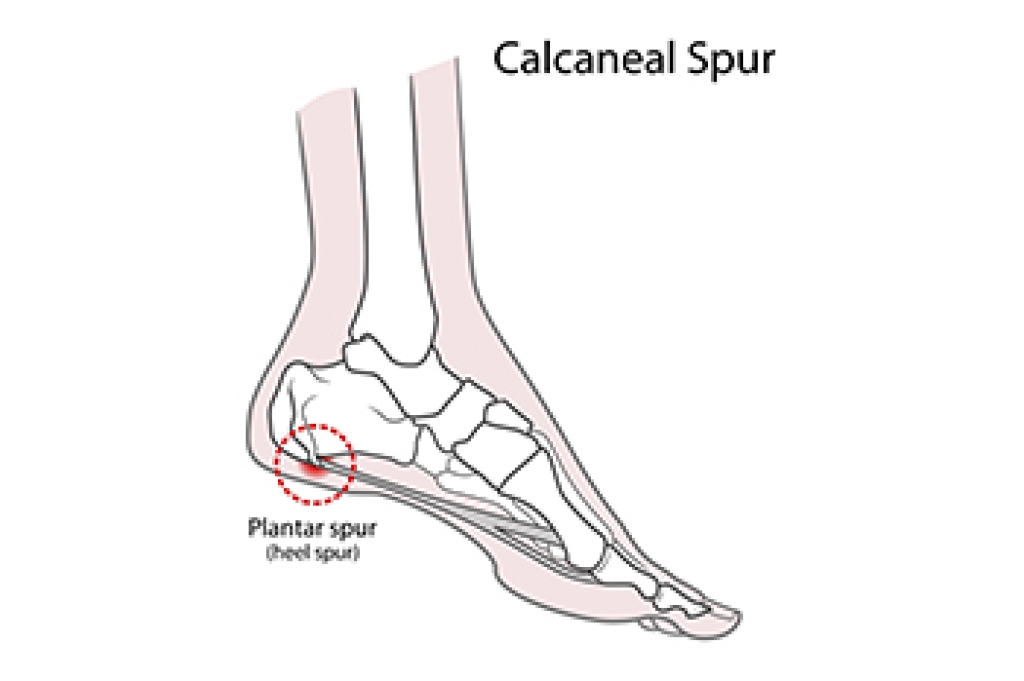
It is a common misconception that heel spurs are the primary cause of heel pain. In reality, heel spurs, which are bony projections on the heel bone, are often found by having an X-ray taken, and cause pain in only 5 percent of individuals with them. The majority of heel pain is generally due to plantar fasciitis, an inflammation of the plantar fascia tissue which stretches from the heel to the toes. While many individuals with plantar fasciitis also have heel spurs, the pain is typically from the damaged plantar fascia, not the spurs themselves. Heel spur syndrome and plantar fasciitis share similar risk factors, like athletic stress, obesity, calf tightness, high arches, and possibly osteoarthritis. Both conditions often respond to non-surgical treatments, including rest, footwear changes, and stretching. If these do not work, injections or plantar fasciotomy surgery might be recommended, though the heel spur is typically not removed during surgery. If you have heel pain, it is strongly suggested that you make an appointment with a podiatrist for a proper diagnosis and correct treatment methods.

Heel spurs can be incredibly painful and sometimes may make you unable to participate in physical activities. To get medical care for your heel spurs, contact Queen Mbanuzue, DPM from In Step Podiatry Center. Our doctor will do everything possible to treat your condition.

Heels Spurs

Heel spurs are formed by calcium deposits on the back of the foot where the heel is. This can also be caused by small fragments of bone breaking off one section of the foot, attaching onto the back of the foot. Heel spurs can also be bone growth on the back of the foot and may grow in the direction of the arch of the foot.

Older individuals usually suffer from heel spurs and pain sometimes intensifies with age. One of the main condition's spurs are related to is plantar fasciitis.

Pain

The pain associated with spurs is often because of weight placed on the feet. When someone is walking, their entire weight is concentrated on the feet. Bone spurs then have the tendency to affect other bones and tissues around the foot. As the pain continues, the feet will become tender and sensitive over time.

Treatments

There are many ways to treat heel spurs. If one is suffering from heel spurs in conjunction with pain, there are several methods for healing. Medication, surgery, and herbal care are some options.

If you have any questions, please feel free to contact our office located in Lanham, MD . We offer the newest diagnostic and treatment technologies for all your foot care needs.

Read more about How to Treat Heel Spurs