
Painful deformities, such as hammertoes, can be treated. Stop living with foot pain, and have beautiful feet again!
Painful deformities, such as hammertoes, can be treated. Stop living with foot pain, and have beautiful feet again!
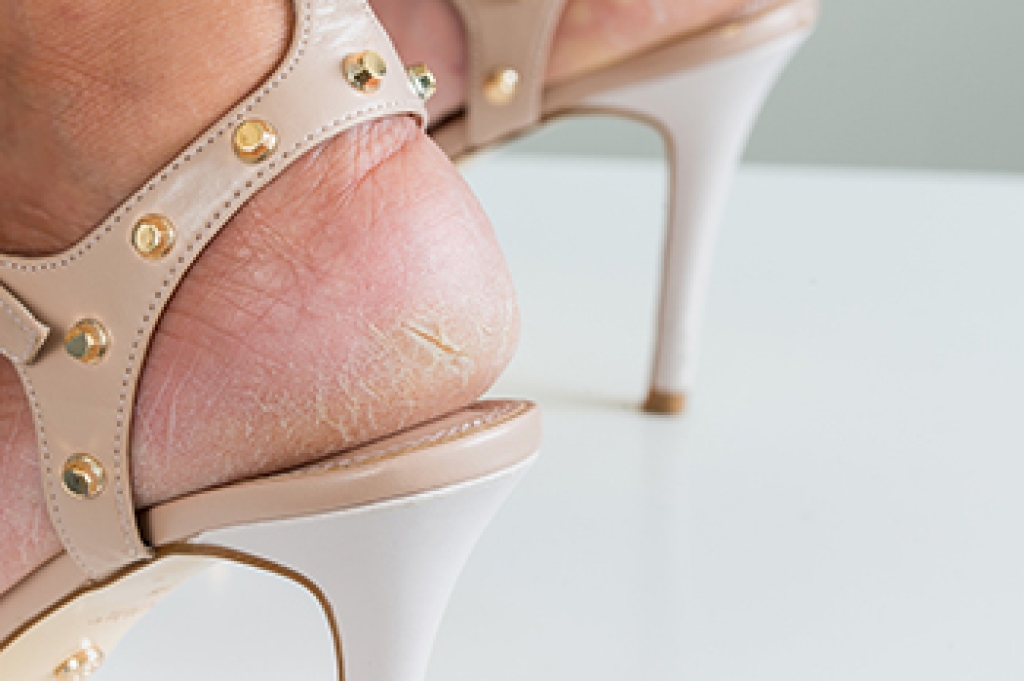
Mild cases of cracked heels generally are not concerning, and a good moisturizer may be used to help control this condition. Severe cracks in the skin are referred to as fissures and can bleed and cause pain. They can develop as a result of standing on hard surfaces for most of the day, or from wearing shoes that have an open back. There may be existing medical conditions that can lead to getting cracked heels. These can consist of different types of dermatosis, psoriasis, and thyroid disorders. Additionally, people who are obese may experience cracked heels, which may come from the extra weight the heels endure while standing and walking. The most effective way of treating cracked heels is by preventing them from happening. This can be done by drinking plenty of water daily, and frequently applying a good moisturizer on them. Some people enjoy using a pumice stone on their heels to remove dead skin that may have developed. If you have cracked heels, it is urged that you consult with a podiatrist who can guide you toward the correct treatment methods, which may include prescribing medication.
Cracked heels are unsightly and can cause further damage to your shoes and feet. If you have any concerns, contact Queen Mbanuzue, DPM from In Step Podiatry Center. Our doctor can provide the care you need to keep you pain-free and on your feet.
Cracked Heels
Cracked heels appear unappealing and can make it harder for you walk around in sandals. Aside from looking unpleasant, cracked heels can also tear stockings, socks, and wear out your shoes. There are several methods to help restore a cracked heel and prevent further damage.
How Do You Get Them?
Dry skin is the number one culprit in creating cracked heels. Many athletes, walkers, joggers, and even swimmers suffer from cracked heels. Age and skin oil production play a role to getting cracked heels as well.
Promote Healing
Over the counter medicines can help, especially for those that need instant relief or who suffer from chronic dry feet.
Wear Socks – Wearing socks with medicated creams helps lock in moisture.
Moisturizers – Applying both day and night will help alleviate dryness which causes cracking.
Pumice Stones – These exfoliate and remove dead skin, which allows for smoother moisturizer application and better absorption into the skin.
Change in Diet
Eating healthy with a well-balanced diet will give the skin a fresh and radiant look. Your body responds to the kinds of food you ingest. Omega-3 fatty acids and zinc supplements can also revitalize skin tissue.
Most importantly, seek professional help if unsure how to proceed in treating cracked heels. A podiatrist will help you with any questions or information needed.
If you have any questions, please feel free to contact our office located in Lanham, MD . We offer the newest diagnostic and treatment technologies for all your foot care needs.
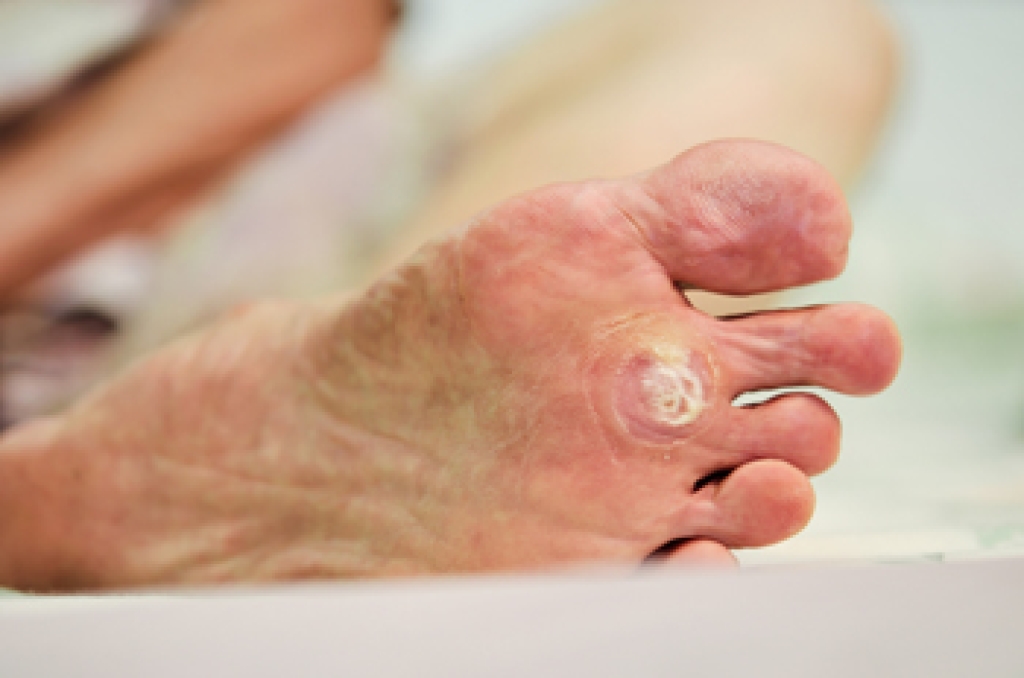
A plantar wart, also called a verruca, is believed to be caused by the human papillomavirus (HPV) and results in the buildup of keratin on the skin. This shows up as a wart. Because HPV thrives in warm, moist environments, it may be spread by walking barefoot around swimming pools or gym locker rooms. It frequently enters through a crack or sore on the bottom of the foot. Plantar warts often cause pain, which can be felt when putting weight on the foot. Other symptoms include thickened skin that appears to be a callus and black dots, which are actually dried blood trapped in the capillaries. Sometimes, white or skin-colored lesions appear on the sole of the foot. Plantar warts often go away on their own, but the foot may be re-exposed if proper footwear is not used in situations where HPV is likely to be found. A podiatrist can offer a number of treatment options to remove a plantar wart. Among them are burning off the wart with salicylic acid, freezing the wart, or cutting the wart out. For more information, please consult a podiatrist.
Plantar warts can be very uncomfortable. If you need your feet checked, contact Queen Mbanuzue, DPM from In Step Podiatry Center. Our doctor will assist you with all of your foot and ankle needs.
About Plantar Warts
Plantar warts are the result of HPV, or human papillomavirus, getting into open wounds on the feet. They are mostly found on the heels or balls of the feet.
While plantar warts are generally harmless, those experiencing excessive pain or those suffering from diabetes or a compromised immune system require immediate medical care. Plantar warts are easily diagnosed, usually through scraping off a bit of rough skin or by getting a biopsy.
Symptoms
Treatment
To help prevent developing plantar warts, avoid walking barefoot over abrasive surfaces that can cause cuts or wounds for HPV to get into. Avoiding direct contact with other warts, as well as not picking or rubbing existing warts, can help prevent the further spread of plantar warts. However, if you think you have developed plantar warts, speak to your podiatrist. He or she can diagnose the warts on your feet and recommend the appropriate treatment options.
If you have any questions, please feel free to contact our office located in Lanham, MD . We offer the newest diagnostic and treatment technologies for all your foot care needs.

People who experience painful or uncomfortable conditions regarding the foot and ankle often seek the advice of a podiatrist. These are doctors that specialize in treating a multitude of disorders concerning the feet. They are trained in diagnosing and treating foot conditions. The extensive schooling that is needed to pursue this type of career consists of obtaining a bachelor’s degree, followed by completing a Doctor of Podiatric Medicine program. This typically takes approximately four years to finish, and then a residency will take place in a hospital for three years. There are tests that must be passed to be licensed in a particular state to practice in. When the above tasks are completed, a podiatrist can choose what type of places to work in. These can consist of hospitals, private or group practices, in addition to extended care facilities. If you are considering pursuing a career in podiatry, it is strongly suggested that you speak with this type of doctor who can help you in determining if this is a right choice for you.
If you are experiencing pain in the feet or ankles, don’t join the stubborn majority refusing treatment. Feel free to contact Queen Mbanuzue, DPM from In Step Podiatry Center. Our doctor can provide the care you need to keep you pain-free and on your feet.
What Is a Podiatrist?
Someone would seek the care of a podiatrist if they have suffered a foot injury or have common foot ailments such as heal spurs, bunions, arch problems, deformities, ingrown toenails, corns, foot and ankle problems, etc.
Podiatric Treatment
A podiatrist will treat the problematic areas of the feet, ankle or lower leg by prescribing the following:
A common podiatric procedure a podiatrist will use is a scanner or force plate which will allow the podiatrist to know the designs of orthotics. Patients are then told to follow a series of tasks to complete the treatment. The computer will scan the foot a see which areas show weight distribution and pressure points. The podiatrist will read the analysis and then determine which treatment plans are available.
If you have any questions, please feel free to contact our office located in Lanham, MD . We offer the newest diagnostic and treatment technologies for all your foot care needs.
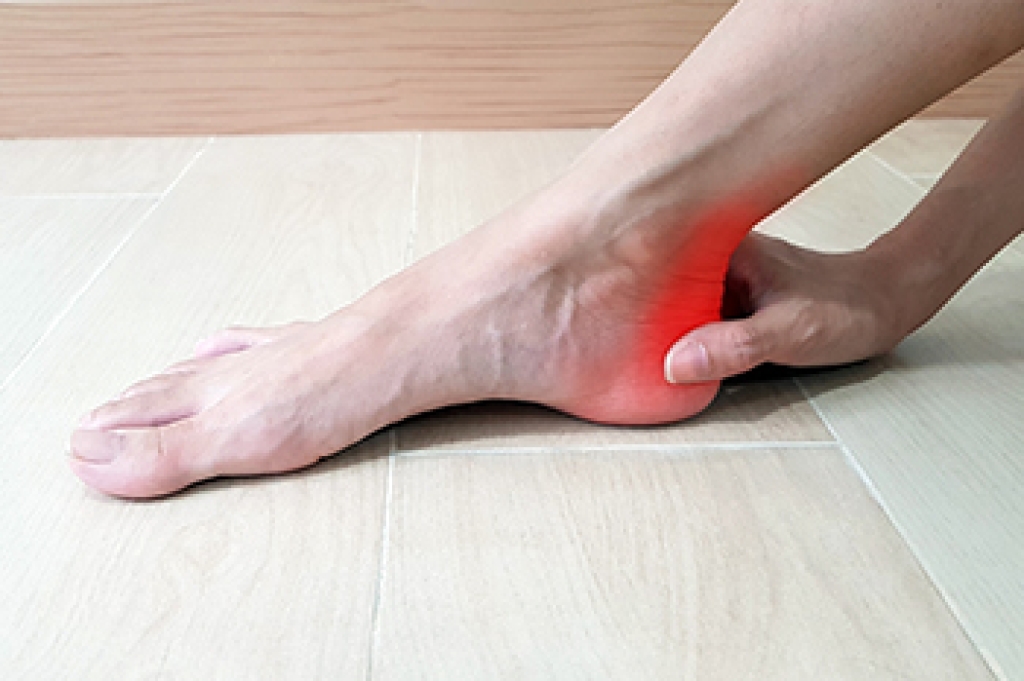
The Achilles tendon connects the heel bone to the calf muscles at the back of the ankle. Pain at this location of the leg and foot can be caused from a partial or complete tear, or rupture of the tendon or tendinitis (also known as tendinosis or tendinopathy). Achilles tendinitis can happen when the tendon becomes inflamed. There can be non-insertional Achilles tendinitis, where the fibers in the middle of the tendon become inflamed or insertional Achilles tendinitis, when the fibers in the lower tendon become inflamed. Achilles tendon pain can result in discomfort, swelling in the heel, stiffness in the legs and heel, and restriction of one’s movement. It can occur from excessive or repetitive stress on the ankles and feet. Those who play sports that involve rapid changes in direction or one who suddenly increases the intensity of their exercise are prone to such injuries. This pain can also come on from wearing inappropriate footwear, running on uneven surfaces, foot abnormalities, older age, or being overweight. If you have Achilles tendon pain, consult with a podiatrist who can properly diagnosis and treat it.
Achilles tendon injuries need immediate attention to avoid future complications. If you have any concerns, contact Queen Mbanuzue, DPM of In Step Podiatry Center. Our doctor can provide the care you need to keep you pain-free and on your feet.
What Is the Achilles Tendon?
The Achilles tendon is a tendon that connects the lower leg muscles and calf to the heel of the foot. It is the strongest tendon in the human body and is essential for making movement possible. Because this tendon is such an integral part of the body, any injuries to it can create immense difficulties and should immediately be presented to a doctor.
What Are the Symptoms of an Achilles Tendon Injury?
There are various types of injuries that can affect the Achilles tendon. The two most common injuries are Achilles tendinitis and ruptures of the tendon.
Achilles Tendinitis Symptoms
Rupture Symptoms
Treatment and Prevention
Achilles tendon injuries are diagnosed by a thorough physical evaluation, which can include an MRI. Treatment involves rest, physical therapy, and in some cases, surgery. However, various preventative measures can be taken to avoid these injuries, such as:
If you have any questions please feel free to contact our office located in Lanham, MD . We offer the newest diagnostic tools and technology to treat your foot and ankle needs.

