Arthritis and the Feet

Arthritis can significantly impact the feet, leading to pain, swelling, and difficulty in walking. Several types of arthritis can affect the feet, with osteoarthritis and rheumatoid arthritis being the most common. Osteoarthritis, often referred to as wear-and-tear arthritis, occurs when the protective cartilage that cushions the ends of bones wears down over time. This can lead to pain and stiffness in the feet, particularly in the joints of the toes and ankles. Rheumatoid arthritis, on the other hand, is an autoimmune condition where the body's immune system attacks the joints, causing inflammation and deformity. Treatment options for arthritis in the feet vary depending on the type and severity of the condition. They may include medication to reduce pain and inflammation, exercise to improve joint function and mobility, and orthotic devices to support the feet. In severe cases, surgery may be necessary to repair or replace damaged joints. If you are experiencing foot pain or discomfort due to arthritis, it is suggested that you schedule an appointment with a podiatrist who can provide specialized care and a tailored treatment plan to alleviate the symptoms, and improve your quality of life.

Arthritis can be a difficult condition to live with. If you are seeking treatment, contact Queen Mbanuzue, DPM from In Step Podiatry Center. Our doctor can provide the care you need to keep you pain-free and on your feet.

Arthritic Foot Care  

Arthritis is a term that is commonly used to describe joint pain.  The condition itself can occur to anyone of any age, race, or gender, and there are over 100 types of it.  Nevertheless, arthritis is more commonly found in women compared to men, and it is also more prevalent in those who are overweight. The causes of arthritis vary depending on which type of arthritis you have. Osteoarthritis for example, is often caused by injury, while rheumatoid arthritis is caused by a misdirected immune system.

Symptoms

  • Swelling
  • Pain
  • Stiffness
  • Decreased Range of Motion

Arthritic symptoms range in severity, and they may come and go. Some symptoms stay the same for several years but could potentially get worse with time. Severe cases of arthritis can prevent its sufferers from performing daily activities and make walking difficult.

Risk Factors

  • Occupation – Occupations requiring repetitive knee movements have been linked to osteoarthritis
  • Obesity – Excess weight can contribute to osteoarthritis development
  • Infection – Microbial agents can infect the joints and trigger arthritis
  • Joint Injuries – Damage to joints may lead to osteoarthritis
  • Age – Risk increases with age
  • Gender –Most types are more common in women
  • Genetics – Arthritis can be hereditary

If you suspect your arthritis is affecting your feet, it is crucial that you see a podiatrist immediately. Your doctor will be able to address your specific case and help you decide which treatment method is best for you.

If you have any questions please feel free to contact our office located in Lanham, MD . We offer the newest diagnostic tools and technology to treat your foot and ankle needs.


Read more about How to Care for Your Arthritic Foot

Surgery on the Small Toes

When it comes to foot surgery, attention often gravitates toward major procedures, like bunion corrections or ankle reconstructions. However, surgeries targeting the smaller toes hold equal significance, addressing various conditions that can profoundly impact mobility and comfort. One prevalent issue necessitating such interventions is hammertoe, characterized by abnormal bending of the toe joints, often resulting from imbalanced foot mechanics or ill-fitting footwear. Left untreated, hammertoes can lead to pain, corns, and difficulty in wearing shoes. Another common concern is claw toe, where the toe bends upward from the joint at the ball of the foot, causing pressure points and discomfort. These conditions may be worsened by genetics, arthritis, or nerve damage. Foot surgery for the smaller toes aims to realign and stabilize the affected joints, relieve pain, and restore function. If you have an abnormal foot structure that is affecting the small toes, it is suggested that you seek the advice of a podiatrist who can determine if surgery is a viable option for you.

Foot surgery is sometimes necessary to treat a foot ailment. To learn more, contact Queen Mbanuzue, DPM of In Step Podiatry Center. Our doctor will assist you with all of your foot and ankle needs.

When Is Surgery Necessary?

Foot and ankle surgery is generally reserved for cases in which less invasive, conservative procedures have failed to alleviate the problem. Some of the cases in which surgery may be necessary include:

  • Removing foot deformities like bunions and bone spurs
  • Severe arthritis that has caused bone issues
  • Cosmetic reconstruction

What Types of Surgery Are There?

The type of surgery you receive will depend on the nature of the problem you have. Some of the possible surgeries include:

  • Bunionectomy for painful bunions
  • Surgical fusion for realignment of bones
  • Neuropathy decompression surgery to treat nerve damage

Benefits of Surgery

Although surgery is usually a last resort, it can provide more complete pain relief compared to non-surgical methods and may allow you to finally resume full activity.

Surgical techniques have also become increasingly sophisticated. Techniques like endoscopic surgery allow for smaller incisions and faster recovery times.

If you have any questions, please feel free to contact our office located in Lanham, MD . We offer the newest diagnostic and treatment technologies for all your foot care needs.

Read more about Foot and Ankle Surgery

Diagnosis and Symptoms of an Ankle Fracture

An ankle fracture occurs when one or more of the bones surrounding the ankle joint break, typically due to trauma or excessive force. Diagnosis of an ankle fracture begins with a thorough physical examination by a podiatrist, including assessment of symptoms and a review of the injury's circumstances. Imaging tests such as X-rays are then used to confirm the diagnosis and determine the extent of the fracture. Symptoms of an ankle fracture often include severe pain, swelling, bruising, and difficulty bearing weight on the affected foot. In some cases, the ankle may appear deformed or out of alignment. Additionally, individuals may experience a limited range of motion and tenderness to touch surrounding the ankle joint. Prompt diagnosis and appropriate treatment are essential in managing ankle fractures effectively. If you have broken your ankle, it is suggested that you consult a podiatrist who can discuss which treatment options are right for you.

Broken ankles need immediate treatment. If you are seeking treatment, contact Queen Mbanuzue, DPM from In Step Podiatry Center. Our doctor can provide the care you need to keep you pain-free and on your feet. 

Broken Ankles
A broken ankle is experienced when a person fractures their tibia or fibula in the lower leg and ankle area. Both of these bones are attached at the bottom of the leg and combine to form what we know to be our ankle.

When a physician is referring to a break of the ankle, he or she is usually referring to a break in the area where the tibia and fibula are joined to create our ankle joint. Ankles are more prone to fractures because the ankle is an area that suffers a lot of pressure and stress. There are some obvious signs when a person experiences a fractured ankle, and the following symptoms may be present.

Symptoms of a Fractured Ankle

  • Excessive pain when the area is touched or when any pressure is placed on the ankle
  • Swelling around the area
  • Bruising of the area
  • Area appears to be deformed

If you suspect an ankle fracture, it is recommended to seek treatment as soon as possible. The sooner you have your podiatrist diagnose the fracture, the quicker you’ll be on the way towards recovery.

If you have any questions, please feel free to contact our office located in Lanham, MD . We offer the newest diagnostic and treatment technologies for all your foot care needs.

Read more about Broken Ankle Causes, Differences, Symptoms and Treatments

The Annoyance of Friction Blisters on the Feet

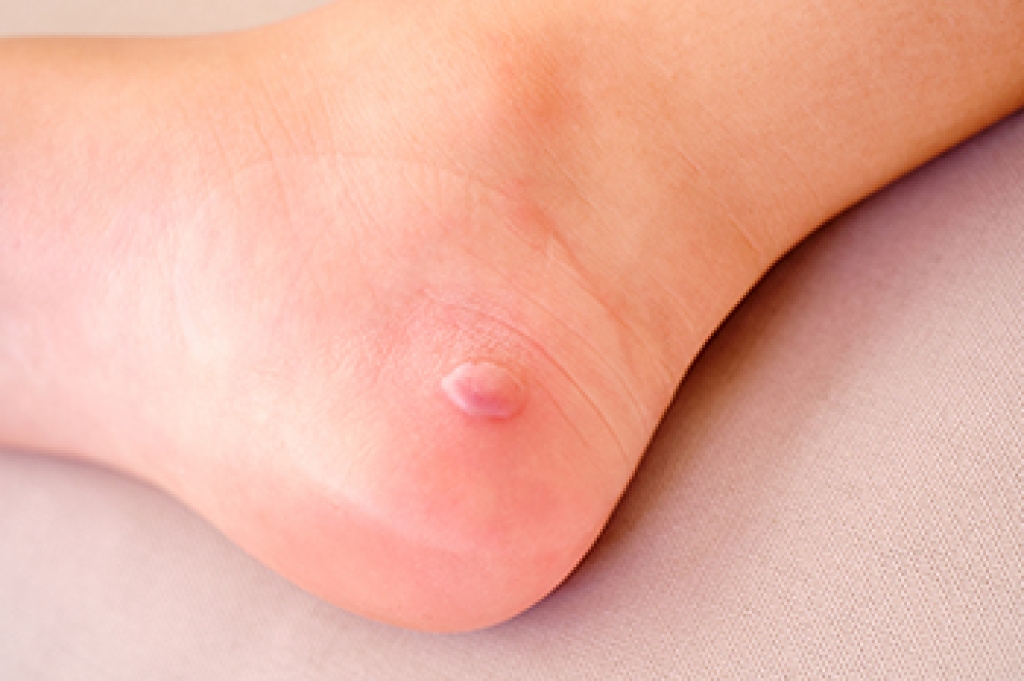
Friction blisters on the feet can transform a pleasant stroll into a painful ordeal. These irritating nuisances arise from repeated rubbing against the skin, causing it to blister and fill with fluid. Typically occurring on pressure points or where shoes constantly rub, symptoms can include discomfort, swelling, and sometimes even pain. The duration varies. While some resolve within a few days, others can linger for weeks, hindering mobility and comfort. Treating friction blisters involves cleaning the area with mild soap and water, then applying a bandage to protect the skin and promote healing. However, for persistent or severe cases, it is suggested that you seek guidance from a podiatrist who can offer tailored solutions to address your specific situation.

Blisters may appear as a single bubble or in a cluster. They can cause a lot of pain and may be filled with pus, blood, or watery serum. If your feet are hurting, contact Queen Mbanuzue, DPM of In Step Podiatry Center. Our doctor can provide the care you need to keep you pain-free and on your feet.

Foot Blisters

Foot blisters are often the result of friction. This happens due to the constant rubbing from shoes, which can lead to pain.

What Are Foot Blisters?

A foot blister is a small fluid-filled pocket that forms on the upper-most layer of the skin. Blisters are filled with clear fluid and can lead to blood drainage or pus if the area becomes infected.

Symptoms

(Blister symptoms may vary depending on what is causing them)

  • Bubble of skin filled with fluid
  • Redness
  • Moderate to severe pain
  • Itching

Prevention & Treatment

In order to prevent blisters, you should be sure to wear comfortable shoes with socks that cushion your feet and absorb sweat. Breaking a blister open may increase your chances of developing an infection. However, if your blister breaks, you should wash the area with soap and water immediately and then apply a bandage to the affected area. If your blisters cause severe pain it is important that you call your podiatrist right away.

If you have any questions, please feel free to contact our office located in Lanham, MD . We offer the newest diagnostic and treatment technologies for all your foot care needs.

Read more about Blisters on the Feet

Causes and Definition of Foot Ulcers

Foot ulcers are open wounds that develop on the feet, often affecting individuals with diabetes or impaired circulation. They typically occur due to a combination of factors, including neuropathy, which is nerve damage, poor blood flow, and pressure from footwear. Foot ulcers can vary in severity, from shallow sores to deep craters, and if left untreated, they can lead to serious complications such as infection and possibly amputation. The primary cause of foot ulcers is prolonged pressure or friction on the skin, which can result from wearing ill-fitting shoes, walking barefoot, or excessive rubbing. In diabetic individuals, high blood sugar levels can further exacerbate the risk by damaging nerves and blood vessels, impairing the body's ability to heal. Other contributing factors may include poor hygiene, smoking, obesity, and a history of foot problems. Recognizing the signs of a foot ulcer, such as redness, swelling, or drainage, is vital for prompt treatment and prevention of complications. If you have a foot wound, it is strongly suggested that you consult a podiatrist who can diagnose its severity, and offer treatment options that are right for you.

Wound care is an important part in dealing with diabetes. If you have diabetes and a foot wound or would like more information about wound care for diabetics, consult with Queen Mbanuzue, DPM from In Step Podiatry Center. Our doctor will assess your condition and provide you with quality foot and ankle treatment.

What Is Wound Care?

Wound care is the practice of taking proper care of a wound. This can range from the smallest to the largest of wounds. While everyone can benefit from proper wound care, it is much more important for diabetics. Diabetics often suffer from poor blood circulation which causes wounds to heal much slower than they would in a non-diabetic. 

What Is the Importance of Wound Care?

While it may not seem apparent with small ulcers on the foot, for diabetics, any size ulcer can become infected. Diabetics often also suffer from neuropathy, or nerve loss. This means they might not even feel when they have an ulcer on their foot. If the wound becomes severely infected, amputation may be necessary. Therefore, it is of the upmost importance to properly care for any and all foot wounds.

How to Care for Wounds

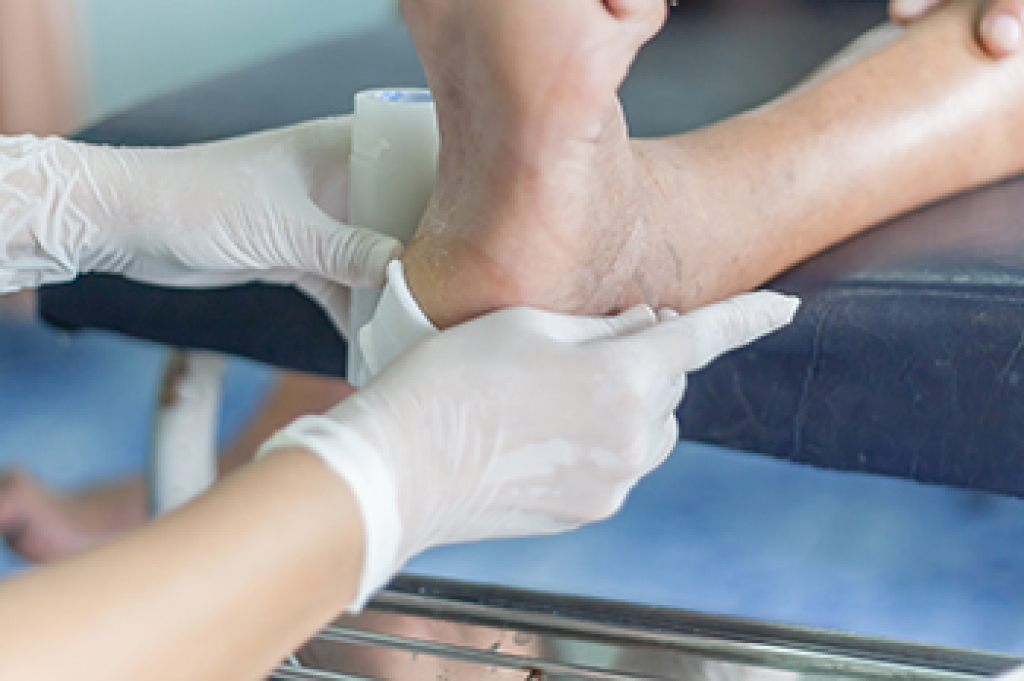
The best way to care for foot wounds is to prevent them. For diabetics, this means daily inspections of the feet for any signs of abnormalities or ulcers. It is also recommended to see a podiatrist several times a year for a foot inspection. If you do have an ulcer, run the wound under water to clear dirt from the wound; then apply antibiotic ointment to the wound and cover with a bandage. Bandages should be changed daily and keeping pressure off the wound is smart. It is advised to see a podiatrist, who can keep an eye on it.

If you have any questions please contact our office located in Lanham, MD . We offer the newest diagnostic and treatment technologies for all your foot and ankle needs.

Read more about Wound Care

We Can Treat Your Foot or Ankle Pain

Foot or ankle pain can negatively affect your day-to-day life and can occur due to several different conditions. Pain can also be an indicator of a more serious underlying condition, which is why you should seek professional help as soon as you notice any abnormalities in your feet.

Definition and Causes of Clubfoot

Clubfoot, a congenital foot condition, manifests as a foot deformity characterized by inward rotation and bending of the ankle and foot. Understanding the definition, underlying causes, and frequency of occurrence of clubfoot is essential for early intervention and effective management. This condition occurs during fetal development when the tendons and ligaments in the foot are abnormally tight, causing the foot to twist inward. The exact cause of clubfoot remains unclear, although genetic factors and environmental influences are believed to play a role. While the majority of clubfoot cases occur sporadically without a family history, genetic predisposition can increase the likelihood of its occurrence. Clubfoot affects approximately one in every 1,000 newborns worldwide, making it one of the most common congenital musculoskeletal anomalies. Prompt diagnosis and treatment, typically through casting, stretching, and sometimes surgery, can help correct the deformity and improve the child's ability to walk and participate in activities as they grow. If your child has been born with clubfoot, it is strongly suggested that you are under the care of a podiatrist who can offer appropriate treatment solutions.

Congenital foot problems require immediate attention to avoid future complications. If you have any concerns, contact Queen Mbanuzue, DPM of In Step Podiatry Center. Our doctor can provide the care you need to keep you pain-free and on your feet.

Congenital foot problems are deformities affecting the feet, toes, and/or ankles that children are born with. Some of these conditions have a genetic cause while others just happen. Some specific foot ailments that children may be born with include clubfeet, polydactyly/macrodactyly, and cleft foot. There are several other foot anomalies that can occur congenitally. What all of these conditions have in common is that a child may experience difficulty walking or performing everyday activities, as well as trouble finding footwear that fits their foot deformity. Some of these conditions are more serious than others. Consulting with a podiatrist as early as possible will help in properly diagnosing a child’s foot condition while getting the necessary treatment underway.

What are Causes of Congenital Foot Problem?

A congenital foot problem is one that happens to a child at birth. These conditions can be caused by a genetic predisposition, developmental or positional abnormalities during gestation, or with no known cause.

What are Symptoms of Congenital Foot Problems?

Symptoms vary by the congenital condition. Symptoms may consist of the following:

  • Clubfoot, where tendons are shortened, bones are shaped differently, and the Achilles tendon is tight, causing the foot to point in and down. It is also possible for the soles of the feet to face each other.
  • Polydactyly, which usually consists of a nubbin or small lump of tissue without a bone, a toe that is partially formed but has no joints, or an extra toe.
  • Vertical talus, where the talus bone forms in the wrong position causing other bones in the foot to line up improperly, the front of the foot to point up, and the bottom of the foot to stiffen, with no arch, and to curve out.
  • Tarsal coalition, when there is an abnormal connection of two or more bones in the foot leading to severe, rigid flatfoot.
  • Cleft foot, where there are missing toes, a V-shaped cleft, and other anatomical differences.
  • Macrodactyly, when the toes are abnormally large due to overgrowth of the underlying bone or soft tissue.

Treatment and Prevention

While there is nothing one can do to prevent congenital foot problems, raising awareness and receiving neonatal screenings are important. Early detection by taking your child to a podiatrist leads to the best outcome possible.

If you have any questions, please feel free to contact our office located in Lanham, MD . We offer the newest diagnostic and treatment technologies for all your foot care needs.

Read more about Congenital Foot Problems

The Impact of Gout on Men

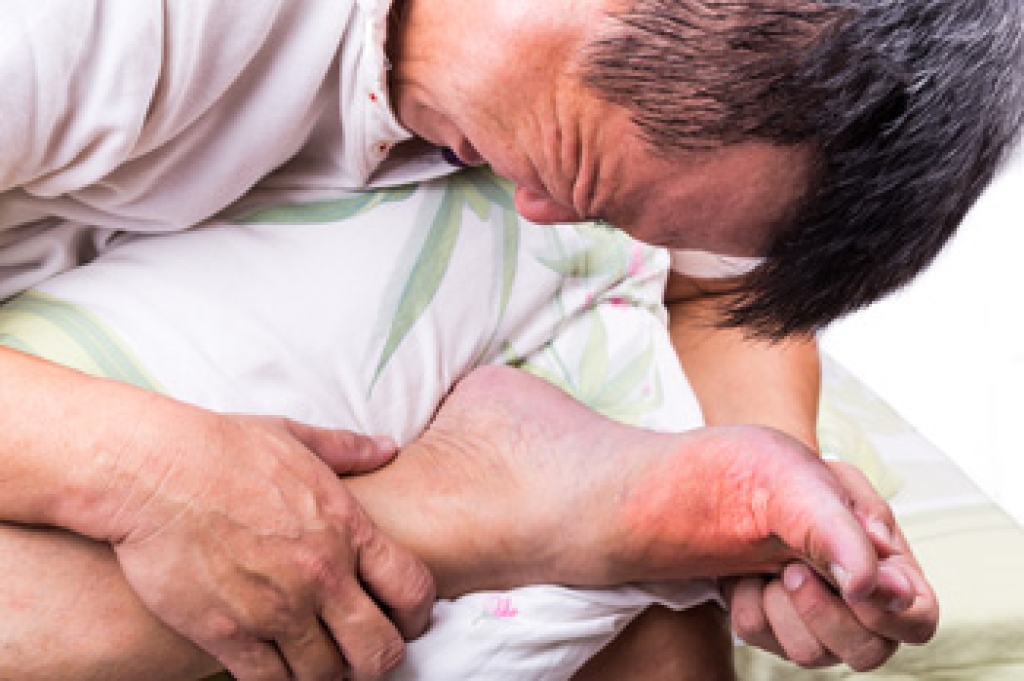
Gout, often characterized by sudden and intense joint pain, is a type of inflammatory arthritis that predominantly affects men. This condition occurs when uric acid levels in the blood become elevated, leading to the formation of urate crystals in the joints. Men are more susceptible to gout than women, with the risk increasing with age. Several factors contribute to this gender disparity, including hormonal differences, genetic predisposition, and lifestyle factors such as diet and alcohol consumption. The symptoms of gout typically appear in the joint of the big toe, causing swelling, redness, and extreme pain, although other joints may also be affected. Beyond the physical discomfort, gout can have a significant impact on quality of life, leading to decreased mobility, increased risk of disability, and psychological distress. Managing gout involves a combination of medication, lifestyle modifications, and dietary changes aimed at reducing uric acid levels and preventing recurrent attacks. If you have experienced one or more gout attacks, it is suggested that you are under the care of a podiatrist who can help you manage this condition.

Gout is a foot condition that requires certain treatment and care. If you are seeking treatment, contact Queen Mbanuzue, DPM from In Step Podiatry Center. Our doctor will treat your foot and ankle needs.
What Is Gout?

Gout is a type of arthritis caused by a buildup of uric acid in the bloodstream. It often develops in the foot, especially the big toe area, although it can manifest in other parts of the body as well. Gout can make walking and standing very painful and is especially common in diabetics and the obese.

People typically get gout because of a poor diet. Genetic predisposition is also a factor. The children of parents who have had gout frequently have a chance of developing it themselves.

Gout can easily be identified by redness and inflammation of the big toe and the surrounding areas of the foot. Other symptoms include extreme fatigue, joint pain, and running high fevers. Sometimes corticosteroid drugs can be prescribed to treat gout, but the best way to combat this disease is to get more exercise and eat a better diet.

If you have any questions, please feel free to contact our office located in Lanham, MD . We offer the newest diagnostic and treatment technologies for all your foot care needs.

Read more about Everything You Need to Know About Gout

Advantages and Drawbacks of Laser Treatment for Toenail Fungus

Laser treatment for fungal nails has drawn attention as a potential solution for addressing this common and often stubborn condition. One of the significant advantages of laser therapy is its non-invasive nature, offering a relatively painless and quick procedure compared to traditional treatments like oral medications or topical antifungal creams. Laser treatment targets the fungus directly, penetrating the nail bed without causing damage to surrounding tissues. Additionally, it typically requires minimal downtime, allowing patients to resume their daily activities immediately after the procedure. However, laser therapy may not be suitable for everyone, and its efficacy varies among individuals. Some individuals may require multiple sessions to achieve satisfactory results, and there is no guarantee of complete eradication of the fungal infection. Overall, while laser therapy presents potential benefits for treating fungal nails, patients should weigh these against the associated drawbacks and consider all treatment options in consultation with their podiatrist. If you have toenail fungus and are considering this type of treatment, it is suggested that you speak with this type of doctor who can address any concerns you may have.

Laser treatment can be an effective way to get rid of toenail fungus. If you have any questions about laser treatment, consult with Queen Mbanuzue, DPM from In Step Podiatry Center. Our doctor will assess your condition and provide you with quality treatment for fungal nails.

What Are Toenail Fungal Infections?

Onychomycosis, or fungal infection of the nail, is a relatively common and non-serious condition. Around 10 percent of U.S. citizens are afflicted with fungal nails. Common forms of fungus that infect the nail include dermatophytes, yeasts, and molds.

Symptoms of Toenail Fungal Infections Include:

  • Nail thickening
  • Brittleness of the nail
  • Discoloration of the nail

Diagnosis for Fungal Nails

Fungal infections are diagnosed by fungal culture and microscopy. This will rule out any other conditions such as nail trauma, psoriasis, lichen planus, and onychogryphosis.

What Is Laser Treatment?

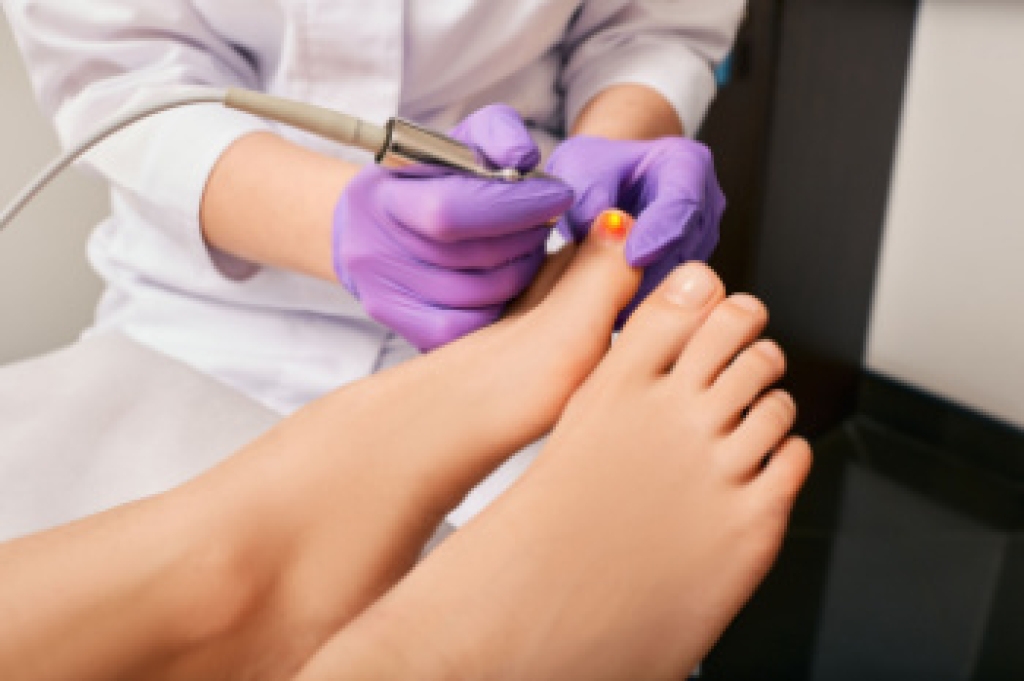
Laser treatment is a non-invasive, safe, quick, and painless procedure that uses the heat from a laser to kill fungus in the nail. Each infected nail is targeted with a laser for several minutes. The treatment is usually utilized several different times over a select period. During this time, a podiatrist will keep an eye on the infection.

If you have any questions, please feel free to contact our office located in Lanham, MD . We offer the newest diagnostic and treatment technologies for all your foot care needs.

Read more about Laser Treatment for Fungal Nails

What Is an Ingrown Toenail?

An ingrown toenail, a common foot condition, occurs when the edge of the toenail grows into the surrounding skin, leading to pain, swelling, and discomfort. This condition typically affects the big toe but can occur on any toe. Ingrown toenails can develop due to a variety of factors, including improper nail trimming techniques, wearing tight-fitting shoes, or sustaining toe injuries. Additionally, individuals with curved or unusually shaped toenails may be more prone to ingrown toenails. Symptoms of ingrown toenails include redness, tenderness, and inflammation around the affected nail, as well as the presence of pus or drainage in severe cases. If left untreated, ingrown toenails can become infected, causing further pain and complications. Recognizing the causes and symptoms of ingrown toenails is important for prompt treatment and prevention strategies. If you have developed an ingrown toenail, it is suggested that you contact a podiatrist who can treat this condition, which may include minor surgery for partial or total removal.

Ingrown toenails can become painful if they are not treated properly. For more information about ingrown toenails, contact Queen Mbanuzue, DPM of In Step Podiatry Center. Our doctor can provide the care you need to keep you pain-free and on your feet.

Ingrown Toenails

Ingrown toenails occur when a toenail grows sideways into the bed of the nail, causing pain, swelling, and possibly infection.

Causes

  • Bacterial infections
  • Improper nail cutting such as cutting it too short or not straight across
  • Trauma to the toe, such as stubbing, which causes the nail to grow back irregularly
  • Ill-fitting shoes that bunch the toes too close together
  • Genetic predisposition

Prevention

Wearing proper fitting shoes and using proper cutting techniques will also help decrease your risk of developing ingrown toenails.

Treatment

Ingrown toenails are a very treatable foot condition. In minor cases, soaking the affected area in salt or antibacterial soaps will not only help with the ingrown nail itself, but also help prevent any infections from occurring. In more severe cases, surgery is an option. In either case, speaking to your podiatrist about this condition will help you get a better understanding of specific treatment options that are right for you.

If you have any questions, please feel free to contact our office located in Lanham, MD . We offer the newest diagnostic and treatment technologies for all your foot care needs.

Read more about Ingrown Toenails