Returning to Sports After Foot and Ankle Injuries

Acute foot and ankle injuries, such as sprains, fractures, or tendon tears, are common in sports and can range from mild to severe. These injuries typically occur due to sudden trauma, such as twisting the ankle or landing awkwardly. Recovery time varies depending on the severity of the injury. Mild sprains might heal within a few weeks, allowing a return to sports after about two to four weeks. More severe injuries, like fractures or torn ligaments, can take several months to fully heal, with recovery often extending to three to six months or more. Rest and gradual reintroduction to activity are important for preventing re-injury and regaining full strength and mobility. Rushing back too soon can lead to complications and prolonged recovery. If you have sustained a foot or ankle injury from sports, it is suggested that you schedule an appointment with a podiatrist for a diagnosis and treatment.

Ankle and foot injuries are common among athletes and in many sports. They can be caused by several problems and may be potentially serious. If you are feeling pain or think you were injured in a sporting event or when exercising, consult with Queen Mbanuzue, DPM from In Step Podiatry Center. Our doctor will assess your condition and provide you with quality foot and ankle treatment.

Common Injuries

The most common injuries that occur in sporting activities include:

  • Achilles Tendonitis
  • Achilles Tendon Rupture
  • Ankle Sprains
  • Broken Foot
  • Plantar Fasciitis
  • Stress Fractures
  • Turf Toe

Symptoms

Symptoms vary depending upon the injury and in some cases, there may be no symptoms at all. However, in most cases, some form of symptom is experienced. Pain, aching, burning, bruising, tenderness, tightness or stiffness, sensation loss, difficulty moving, and swelling are the most common symptoms.

Treatment

Just as symptoms vary depending upon the injury, so do treatment options. A common treatment method is known as the RICE method. This method involves rest, applying ice, compression and elevating the afflicted foot or ankle. If the injury appears to be more serious, surgery might be required, such as arthroscopic or reconstructive surgery. Lastly, rehabilitation or therapy might be needed to gain full functionality in the afflicted area. Any discomfort experienced by an athlete must be evaluated by a licensed, reputable medical professional.  

If you have any questions please contact our office located in Lanham, MD . We offer the newest diagnostic and treatment technologies for all your foot and ankle needs.

Read more about Sports Related Foot and Ankle Injuries

Facts About Ankle Fractures

Ankle fractures occur when one or more of the bones in the ankle are broken, typically involving the tibia, fibula, and talus. The tibia and fibula are the main weight-bearing bones of the lower leg, while the talus sits between them and the heel bone, forming the ankle joint. Causes of broken ankles include trauma from falls, sports injuries, or accidents, as well as severe twisting or rolling of the ankle. Symptoms include sharp pain, significant swelling, bruising, and difficulty in bearing weight. The ankle may appear deformed or misaligned. Prompt medical evaluation is essential for proper diagnosis and treatment, which may involve immobilization, casting, or surgery depending on the severity of the fracture. If you have sustained an ankle fracture, it is suggested that you consult a podiatrist.

Broken ankles need immediate treatment. If you are seeking treatment, contact Queen Mbanuzue, DPM from In Step Podiatry Center. Our doctor can provide the care you need to keep you pain-free and on your feet. 

Broken Ankles
A broken ankle is experienced when a person fractures their tibia or fibula in the lower leg and ankle area. Both of these bones are attached at the bottom of the leg and combine to form what we know to be our ankle.

When a physician is referring to a break of the ankle, he or she is usually referring to a break in the area where the tibia and fibula are joined to create our ankle joint. Ankles are more prone to fractures because the ankle is an area that suffers a lot of pressure and stress. There are some obvious signs when a person experiences a fractured ankle, and the following symptoms may be present.

Symptoms of a Fractured Ankle

  • Excessive pain when the area is touched or when any pressure is placed on the ankle
  • Swelling around the area
  • Bruising of the area
  • Area appears to be deformed

If you suspect an ankle fracture, it is recommended to seek treatment as soon as possible. The sooner you have your podiatrist diagnose the fracture, the quicker you’ll be on the way towards recovery.

If you have any questions, please feel free to contact our office located in Lanham, MD . We offer the newest diagnostic and treatment technologies for all your foot care needs.

Read more about All About Broken Ankles

Plantar Warts Can Be Treated!

Plantar warts are small growths that develop on parts of the feet that bear weight. They're typically found on the bottom of the foot. Don't live with plantar warts, and call us today!

Understanding Diabetic Foot Ulcers

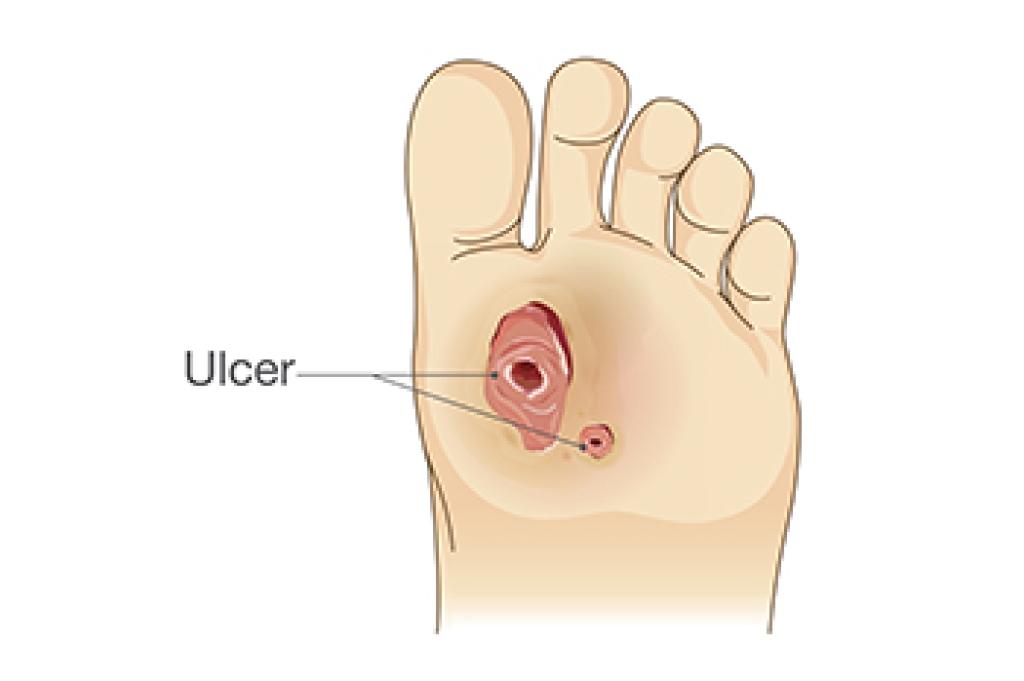
Diabetic foot ulcers are sores or wounds that can develop on the feet of people with diabetes, often due to poor circulation, nerve damage, and prolonged pressure. These ulcers commonly occur on the soles of the feet and can become severe if not treated promptly. Symptoms include pain, swelling, and sometimes a foul odor if the ulcer becomes infected. Treatment for diabetic foot ulcers focuses on wound care and managing diabetes effectively. This involves cleaning the wound regularly, using specialized dressings, and offloading pressure with customized footwear or orthotic devices. In some cases, antibiotics may be needed to treat or prevent infection. For a comprehensive evaluation and tailored treatment plan, it’s suggested you make an appointment with a podiatrist. Their expertise can significantly improve outcomes and prevent serious complications from foot ulcers.

Diabetic foot care is important in preventing foot ailments such as ulcers. If you are suffering from diabetes or have any other concerns about your feet, contact Queen Mbanuzue, DPM from In Step Podiatry Center. Our doctor can provide the care you need to keep you pain-free and on your feet.

Diabetic Foot Care

Diabetes affects millions of people every year. The condition can damage blood vessels in many parts of the body, especially the feet. Because of this, taking care of your feet is essential if you have diabetes, and having a podiatrist help monitor your foot health is highly recommended.

The Importance of Caring for Your Feet

  • Routinely inspect your feet for bruises or sores.
  • Wear socks that fit your feet comfortably.
  • Wear comfortable shoes that provide adequate support.

Patients with diabetes should have their doctor monitor their blood levels, as blood sugar levels play such a huge role in diabetic care. Monitoring these levels on a regular basis is highly advised.

It is always best to inform your healthcare professional of any concerns you may have regarding your feet, especially for diabetic patients. Early treatment and routine foot examinations are keys to maintaining proper health, especially because severe complications can arise if proper treatment is not applied.

If you have any questions, please feel free to contact our office located in Lanham, MD . We offer the newest diagnostic and treatment technologies for all your foot care needs.

Read more about Diabetic Foot Conditions

Morton’s Neuroma Remedies

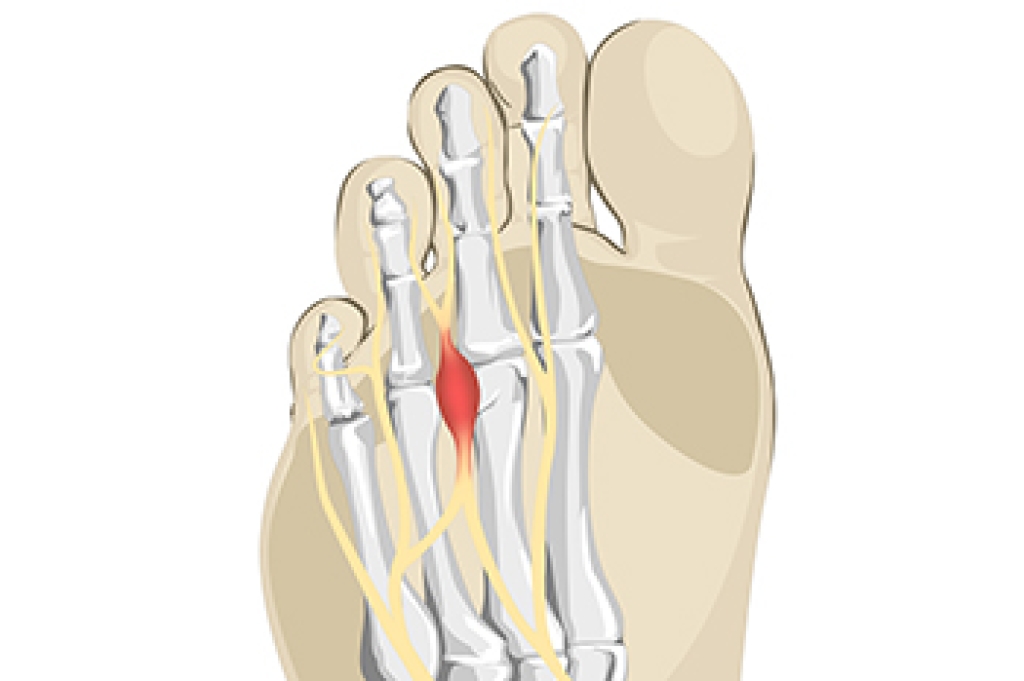
Morton's neuroma is a painful foot condition, where a nerve between the toes becomes thickened and inflamed. Morton’s neuroma often causes a burning sensation, tingling, or a feeling of a lump in the ball of the foot. This condition is commonly triggered by wearing tight shoes or high heels or by repetitive stress on the foot. Initial treatment focuses on relieving pressure on the nerve by switching to wider, more supportive footwear and using orthotic inserts to distribute pressure more evenly. Taking anti-inflammatory medication can help manage pain and inflammation. For persistent cases, corticosteroid injections or exercises may be recommended to reduce symptoms. In severe situations, surgical options might be considered to remove the affected nerve. If you suspect you have Morton's neuroma or are struggling with persistent foot pain, it is suggested that you make an appointment with a podiatrist who can provide specialized treatment tailored to your needs.

Morton’s neuroma is a very uncomfortable condition to live with. If you think you have Morton’s neuroma, contact Queen Mbanuzue, DPM of In Step Podiatry Center. Our doctor will attend to all of your foot care needs and answer any of your related questions.  

Morton’s Neuroma

Morton's neuroma is a painful foot condition that commonly affects the areas between the second and third or third and fourth toe, although other areas of the foot are also susceptible. Morton’s neuroma is caused by an inflamed nerve in the foot that is being squeezed and aggravated by surrounding bones.

What Increases the Chances of Having Morton’s Neuroma?

  • Ill-fitting high heels or shoes that add pressure to the toe or foot
  • Jogging, running or any sport that involves constant impact to the foot
  • Flat feet, bunions, and any other foot deformities

Morton’s neuroma is a very treatable condition. Orthotics and shoe inserts can often be used to alleviate the pain on the forefront of the feet. In more severe cases, corticosteroids can also be prescribed. In order to figure out the best treatment for your neuroma, it’s recommended to seek the care of a podiatrist who can diagnose your condition and provide different treatment options.

If you have any questions, please feel free to contact our office located in Lanham, MD . We offer the newest diagnostic and treatment technologies for all your foot care needs.

Read more about What is Morton's Neuroma?

Key Factors to Consider in Running Shoes

Choosing the right running shoe involves several important factors to ensure comfort and improve performance. Cushioning is vital, as it provides shock absorption and reduces impact on joints. Heel drop, the difference in height between the heel and toe, affects running gait and comfort. A lower drop encourages a more natural stride, while higher drops offer extra cushioning. Arch support is essential for stability and preventing injuries, especially for those with specific arch shapes. Pronation, or the natural inward roll of the foot, determines the level of support needed. Comfort is paramount, and the shoe should fit well in both length and width to avoid blisters and discomfort. Fit and style, including whether the shoe is narrow or wide, also affects overall comfort. If you have suffered a foot injury from wearing the wrong type of running shoes, it is suggested that you confer with a podiatrist who can treat various foot conditions, as well as guide you on what to look for in running shoes.

You should always make sure your running shoes fit properly in order to avoid injury. For more information, contact Queen Mbanuzue, DPM from In Step Podiatry Center. Our doctor can provide the care you need to keep you pain-free and on your feet.

Choosing the Right Running Shoe for Your Foot Type

Improper shoe sizing can cause a myriad of problems for your feet. Shoes that don’t fit you properly can lead to muscular imbalances in your body, which can result in foot, knee, and hip injuries.

Tips for Finding the Right Running Shoe

  • Make sure you have a thumb’s width of wiggle room between the end of your longest toe and the front of the shoe.
  • There should be little to no slipping at the heel
  • Don’t assume your size in one shoe brand will be your size in another
  • Do not lace up your shoes too tightly
  • Walk around in the store with your new shoes before you buy them

If you have any questions, please feel free to contact our office located in Lanham, MD . We offer the newest diagnostic and treatment technologies for all your foot care needs.

Read more about Choosing the Right Running Shoe

Toenail Problems

Toenail problems can cause significant discomfort and require attention. Ingrown toenails occur when the nail grows into the surrounding skin, leading to pain and infection. Nail fungus causes thickened, discolored nails and can spread if untreated. Toenail trauma from injuries can result in bruising, separation from the nail bed, or deformities. Clubbed nails, often associated with underlying health conditions, involve the enlargement and rounding of the nail tips. Discoloration of nail plates may indicate fungal infections, trauma, or systemic issues. If you have painful or unusual problems with your toenails, it is suggested that you schedule an appointment with a podiatrist for a diagnosis, specialized treatment, and to prevent possible complications.

Ingrown toenails may initially present themselves as a minor discomfort, but they may progress into an infection in the skin without proper treatment. For more information about ingrown toenails, contact Queen Mbanuzue, DPM of In Step Podiatry Center. Our doctor can provide the care you need to keep you pain-free and on your feet.

Ingrown Toenails

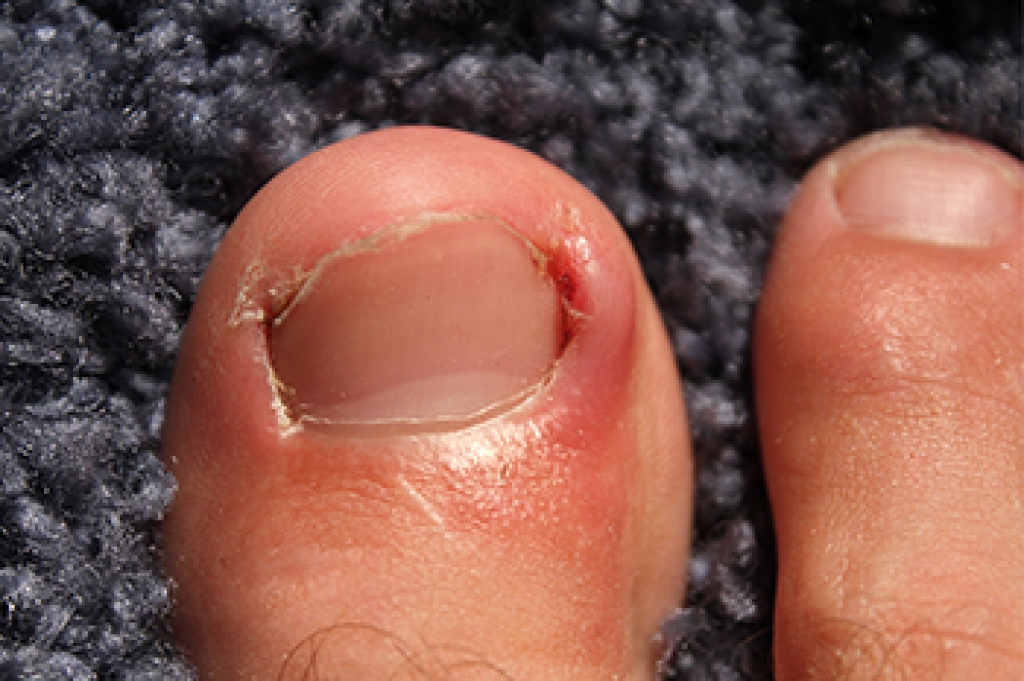
Ingrown toenails are caused when the corner or side of a toenail grows into the soft flesh surrounding it. They often result in redness, swelling, pain, and in some cases, infection. This condition typically affects the big toe and may recur if it is not treated properly.

Causes

  • Improper toenail trimming
  • Genetics
  • Improper shoe fitting
  • Injury from pedicures or nail picking
  • Abnormal gait
  • Poor hygiene

You are more likely to develop an ingrown toenail if you are obese, have diabetes, arthritis, or have any fungal infection in your nails. Additionally, people who have foot or toe deformities are at a higher risk of developing an ingrown toenail.

Symptoms

Some symptoms of ingrown toenails are redness, swelling, and pain. In rare cases, there may be a yellowish drainage coming from the nail.

Treatment

Ignoring an ingrown toenail can have serious complications. Infections of the nail border can progress to a deeper soft-tissue infection, which can then turn into a bone infection. You should always speak with your podiatrist if you suspect you have an ingrown toenail, especially if you have diabetes or poor circulation.

If you have any questions, please feel free to contact our office located in Lanham, MD . We offer the newest diagnostic and treatment technologies for all your foot care needs.

Read more about Ingrown Toenail Care

Diabetic Foot Wounds

People with diabetes are at a much higher risk of developing foot wounds, which are slow to heal and can become problematic. This slow rate of healing might be due to a weakened immune system, which is common in diabetics. When a foot wound occurs, the immune cells needed for proper inflammation and healing may not function effectively, leading to poor recovery. If you have diabetes, it's important to prevent foot wounds and their complications. A good way to do this is to check your feet daily for any changes, such as cuts, scrapes, sores, or discoloration. If you notice a cut or sore that is taking a long time to heal, it’s suggested you make an appointment with a podiatrist for a diagnosis and treatment options.

Wound care is an important part in dealing with diabetes. If you have diabetes and a foot wound or would like more information about wound care for diabetics, consult with Queen Mbanuzue, DPM from In Step Podiatry Center. Our doctor will assess your condition and provide you with quality foot and ankle treatment.

What Is Wound Care?

Wound care is the practice of taking proper care of a wound. This can range from the smallest to the largest of wounds. While everyone can benefit from proper wound care, it is much more important for diabetics. Diabetics often suffer from poor blood circulation which causes wounds to heal much slower than they would in a non-diabetic. 

What Is the Importance of Wound Care?

While it may not seem apparent with small ulcers on the foot, for diabetics, any size ulcer can become infected. Diabetics often also suffer from neuropathy, or nerve loss. This means they might not even feel when they have an ulcer on their foot. If the wound becomes severely infected, amputation may be necessary. Therefore, it is of the upmost importance to properly care for any and all foot wounds.

How to Care for Wounds

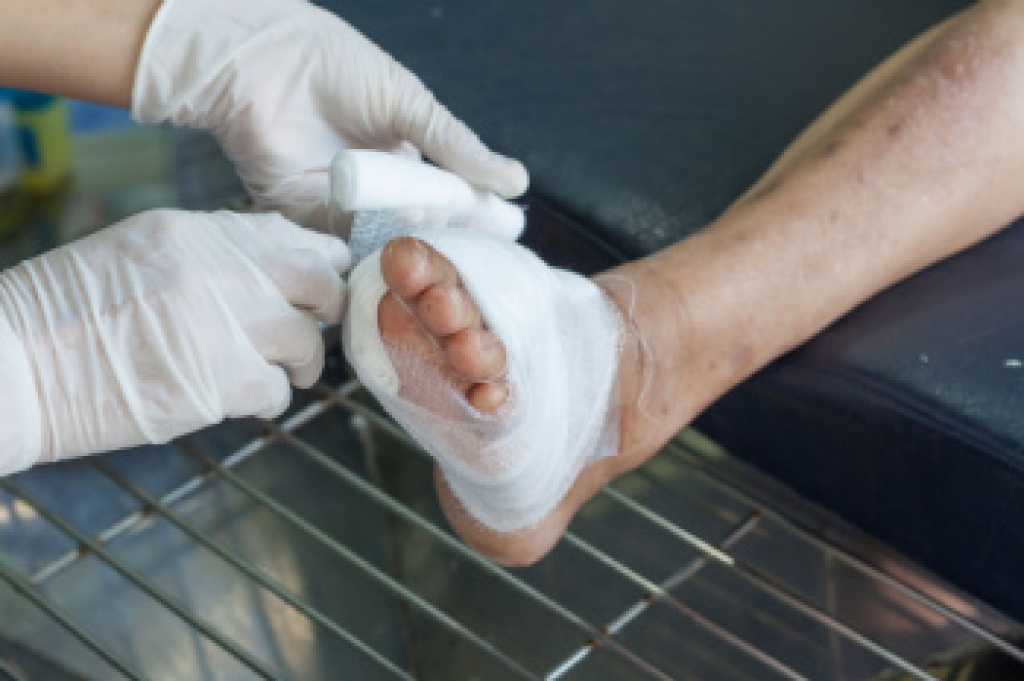
The best way to care for foot wounds is to prevent them. For diabetics, this means daily inspections of the feet for any signs of abnormalities or ulcers. It is also recommended to see a podiatrist several times a year for a foot inspection. If you do have an ulcer, run the wound under water to clear dirt from the wound; then apply antibiotic ointment to the wound and cover with a bandage. Bandages should be changed daily and keeping pressure off the wound is smart. It is advised to see a podiatrist, who can keep an eye on it.

If you have any questions please contact our office located in Lanham, MD . We offer the newest diagnostic and treatment technologies for all your foot and ankle needs.
Read more about Wound Care

Do You Suffer From Painful Feet?

Painful deformities, such as hammertoes, can be treated. Stop living with foot pain, and have beautiful feet again!

Do You Suffer From Painful Feet?

Painful deformities, such as hammertoes, can be treated. Stop living with foot pain, and have beautiful feet again!